Oldtown
The Long WalkOldtown is both a concrete destination and a psychological threshold in the Long Walk. The Walkers first approach it as a distant nest of lights beyond a dark river; when they finally enter the town around midnight, the route becomes a glare-filled public parade before narrowing again into a polluted industrial corridor. Oldtown therefore marks a shift from anticipation to ordeal: arrival brings no rest, and the town’s celebration only prepares the Walkers for another hazardous stretch of road.
Approach and Setting
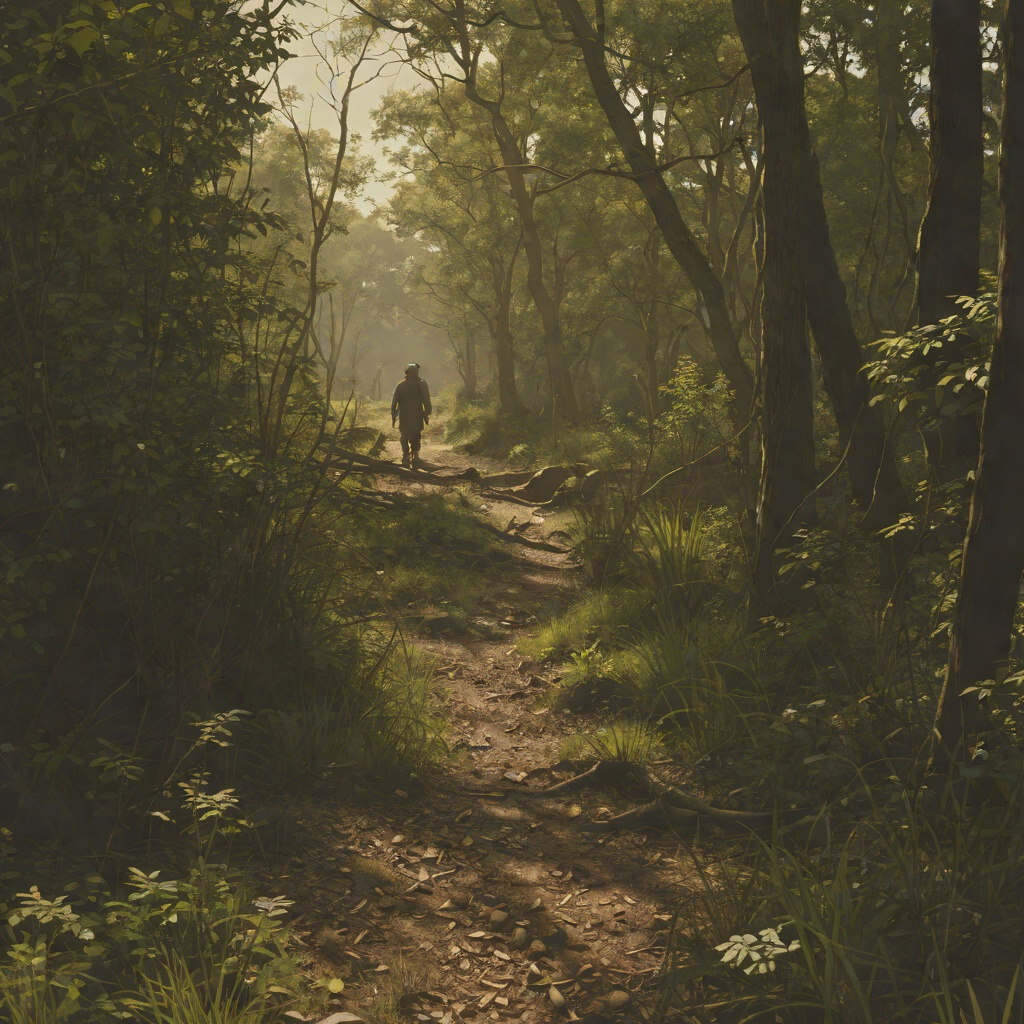
Oldtown is introduced as a place measured against exhaustion. After the Walkers crest a rise, Ray Garraty sees a river below them, perhaps the Stillwater River, winding through the darkness like a silver snake. Across the river lies a nest of lights identified as Oldtown, with a smaller cluster on the opposite side associated with Milford and Bradley. The sight gives the town the quality of a promised refuge, and Garraty tells Hank Olson that they are getting there. Yet Olson does not answer; his continuing movement has become eerie and automatic, like the Flying Dutchman sailing after its entire crew has vanished. Oldtown is visible before it is attainable, and that distance turns geography into a test of endurance.
The town’s location is also defined by the route that leads into it. The Walkers switch through two feeder roads, join Route 2, and pass through the center of town. The movement is not a triumphant arrival in any ordinary sense. For Garraty, the passage is a blurred, sleep-hazed nightmare in which the road, the crowd, and the lights overwhelm thought. Oldtown is thus encountered through the damaged perception of a boy whose body is still moving while his consciousness repeatedly slips toward sleep.
The Town as Spectacle
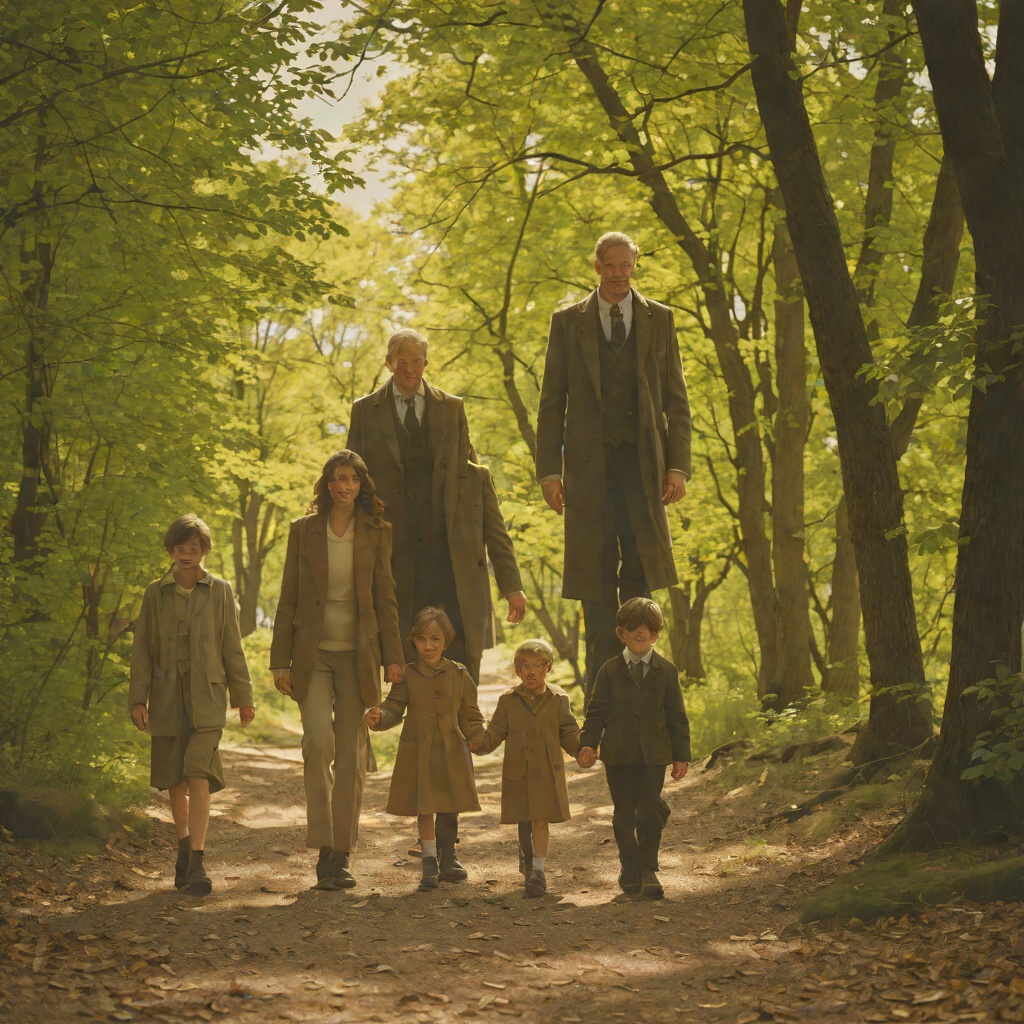
Oldtown receives the Walkers with an intensity that transforms night into an artificial day. Arc-sodium lamps cast a glaring orange light without shadows, making even friendly faces appear crypt-like. Confetti, newspaper, torn telephone-book pages, and toilet paper streamers float from second- and third-story windows. The scene resembles a New York ticker-tape parade displaced into what Garraty experiences as Bush League U.S.A. The comparison preserves both the scale of the welcome and its grotesque provincial theatricality: civic celebration borrows the imagery of national spectacle while remaining attached to a lethal contest.
The crowd’s enthusiasm does not interrupt the Long Walk’s machinery. It surrounds and enlarges it. Earlier along the route, spectators had turned the Walkers into performers through signs, cheers, cameras, and shouted insults; in Oldtown, that public gaze becomes an entire environment. The town does not make the ordeal less coercive. Instead, it supplies a festive surface beneath which fatigue, warning, and death continue to operate. The Walkers are displayed as competitors and celebrated as public figures, even though their bodies remain subject to the soldiers’ enforcement.
Oldtown briefly produces the illusion that collective excitement might create human fellowship. The lamps and cheering gather strangers into a shared event, but the Walkers experience the gathering unevenly. Garraty cannot fully think through it, and the town’s friendliness is distorted by the orange light and by the knowledge that the march will continue. The spectacle offers recognition without safety: the crowd sees the Walkers, but seeing them does not protect them.
Industrial Landscape and Exhaustion
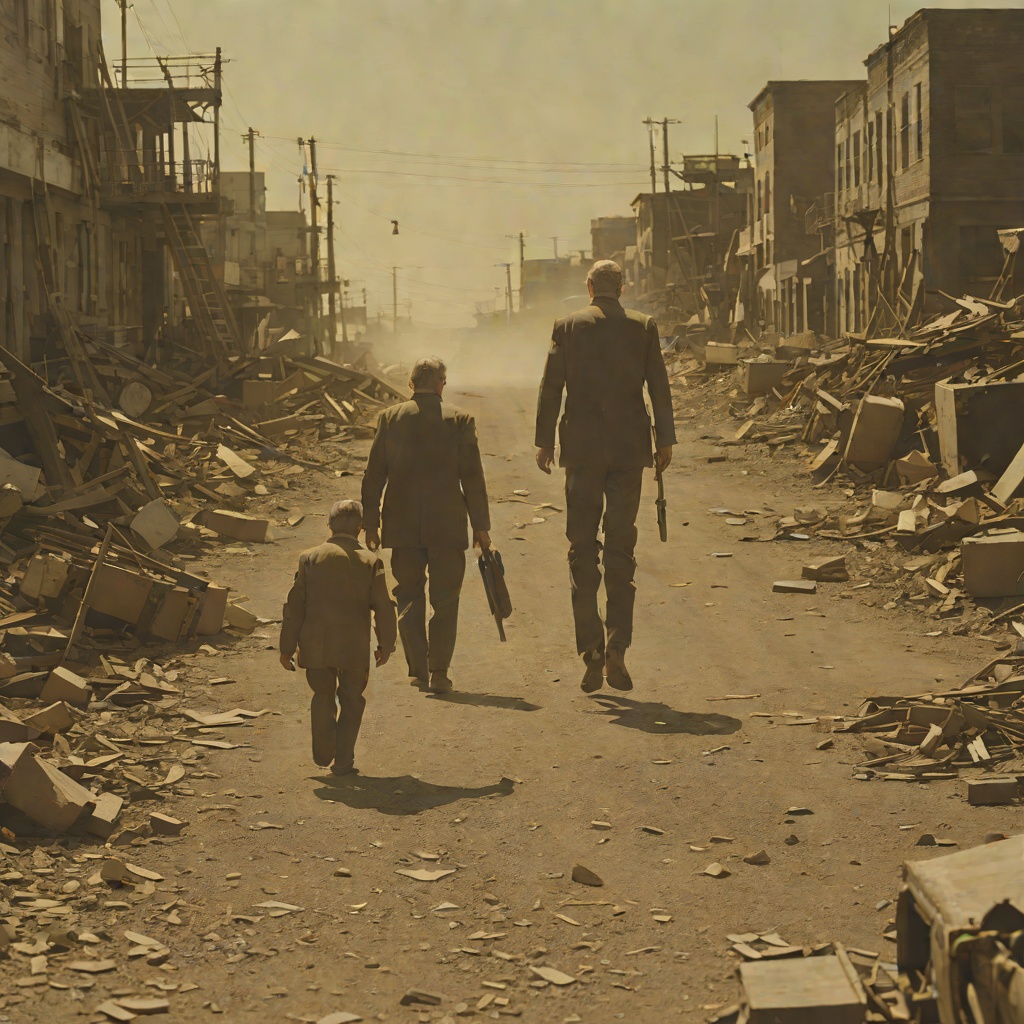
After the central passage, the spectacle recedes. The orange lights fade, the crowd thins, and the Walkers proceed beside the Stillwater River in the trench of morning. The calendar has reached May 3rd. Oldtown’s industrial character then becomes sharply perceptible through smell and material form: the ripe odor of a paper mill, chemicals, woodsmoke, and a polluted river combine into an image of slow bodily damage, while sawdust piles rise higher than downtown buildings and pulpwood is stacked toward the sky like monoliths.
This industrial landscape contrasts with the earlier festive imagery. The town first appears as light, cheering, and airborne paper; afterward, paper production reveals its residue in the smell of chemicals, smoke, pulp, and waste. The same paper culture that contributes to the parade’s confetti and streamers is tied to the polluted river and the immense heaps of sawdust. Oldtown’s celebration and its environmental ugliness are not separate worlds. They are two faces of the same public economy, one consumed as entertainment and the other endured as atmosphere.
For Garraty, the transition from spectacle to industry is mediated by sleep. He dozes and dreams while the Walkers continue along the river, and the stretch seems to last an eternity before Peter McVries jabs him awake. The town has not functioned as a stopping place; it has become a corridor through which exhaustion must be carried. Its industrial smells make the endurance of the bodies feel inseparable from the landscape’s own accumulation of waste.
The Turnpike Salute
Oldtown’s most immediate consequence is the turnpike episode that follows the town’s center. Peter McVries tells Garraty that the Walkers are going onto the turnpike and that a color guard is waiting at the entrance ramp. The planned ceremony is a four-hundred-gun salute, a military display whose number grotesquely echoes the four hundred Walkers who began the event. Garraty answers with a remembered phrase about riders entering the valley of death, but his response is not romantic excitement; he is too tired to care about another salute after hearing so many gunshots.
The ceremony reverses the usual relationship between official honor and danger. A color guard and a massed salute suggest national dignity, yet the Walkers approach the guns after witnessing executions and under rules that allow soldiers to kill anyone who falls below speed. McVries insists that the important point is not merely the salute itself but the Walkers’ intended response: after the soldiers finish, the Walkers will give them a salute. The exchange converts military pageantry into confrontation. The turnpike becomes a stage on which authority is mocked by the people forced to march beneath it.
Oldtown therefore joins public celebration to state violence with unusual clarity. Its lamps, banners, crowds, and turnpike ceremony make the Long Walk look like a civic festival, while the guns preserve its underlying logic of elimination. The town’s narrative function lies in that collision. It is a place where the Walkers are most visibly transformed into a spectacle and where the spectacle most plainly fails to conceal the cost of the event.