The end of the Long Walk
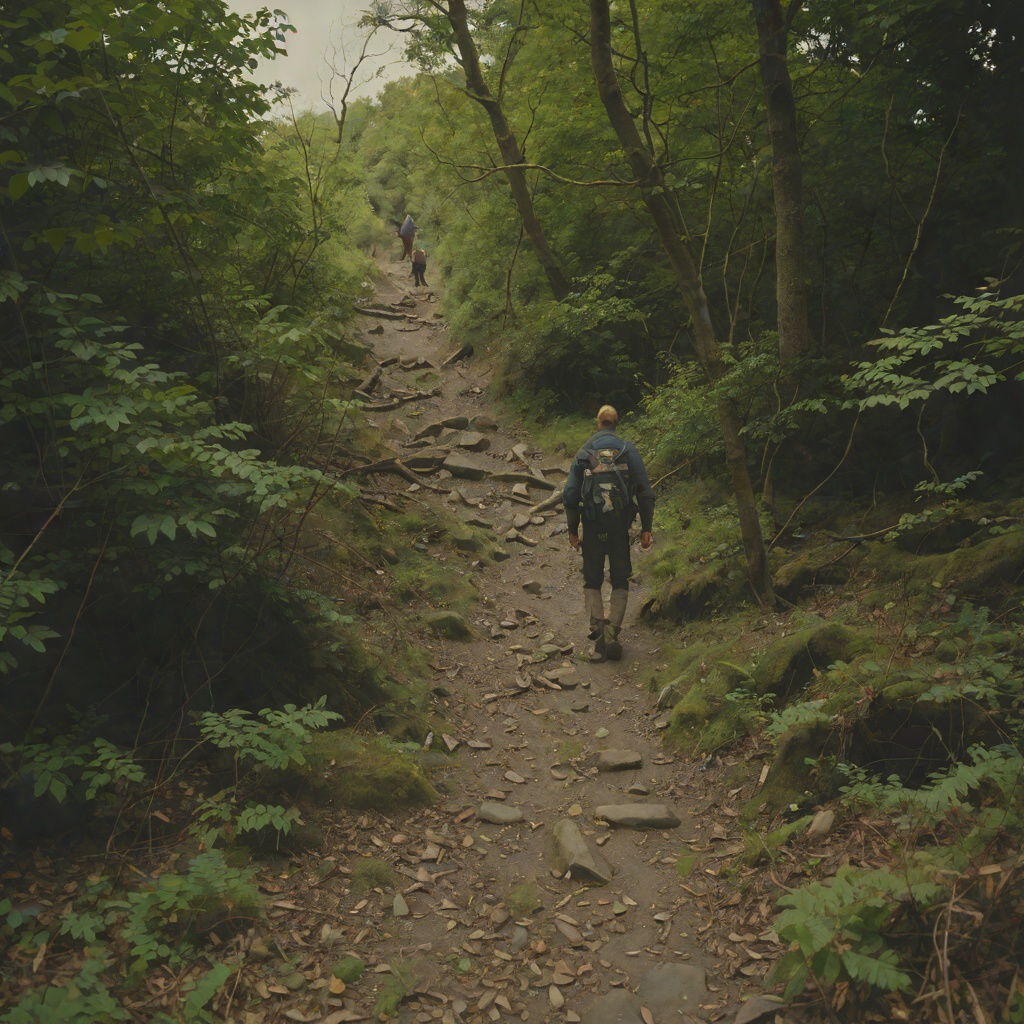
The Long WalkThe end of the Long Walk is the Event’s decisive contradiction: the Event formally ends when The Major proclaims a winner, but for Ray Garraty the finish does not produce rest, recognition, or a usable future. With the road nearly empty and Stebbins dead, Garraty continues walking toward an ambiguous dark figure, transforming victory into a final extension of the ordeal rather than its release.
Official Closure and the Winner
The Event begins its public ending with The Major’s ceremonial declaration: "I proclaim this year's Long Walk at an end. Ladies and gentlemen-citizens-behold your winner!" The wording turns an exterminating contest into a civic presentation. The Long Walk has been reduced to an authorized spectacle with a winner, an audience, and a completed program, even though the proclamation arrives after the Walkers have been consumed by the rules of the Event.
The remaining scene places Garraty forty miles from Boston, a concrete distance that makes the victory feel incomplete rather than safely arrived. He is not shown crossing into an ordinary destination or rejoining civilian life. The Event is announced as finished while its last survivor remains physically on the road, still subject to the road’s momentum and its surrounding machinery.
Death Behind the Celebration
After Stebbins dies, Garraty briefly loses interest in him and gets to his feet. The response is stark because Stebbins is not given a ceremonial burial or a pause in the public celebration. Garraty’s attention shifts toward the cheers and fireworks filling the sky, while a jeep roars toward him. Behind The Major, soldiers finish by shooting the already-dead Stebbins, leaving Garraty alone on the road.
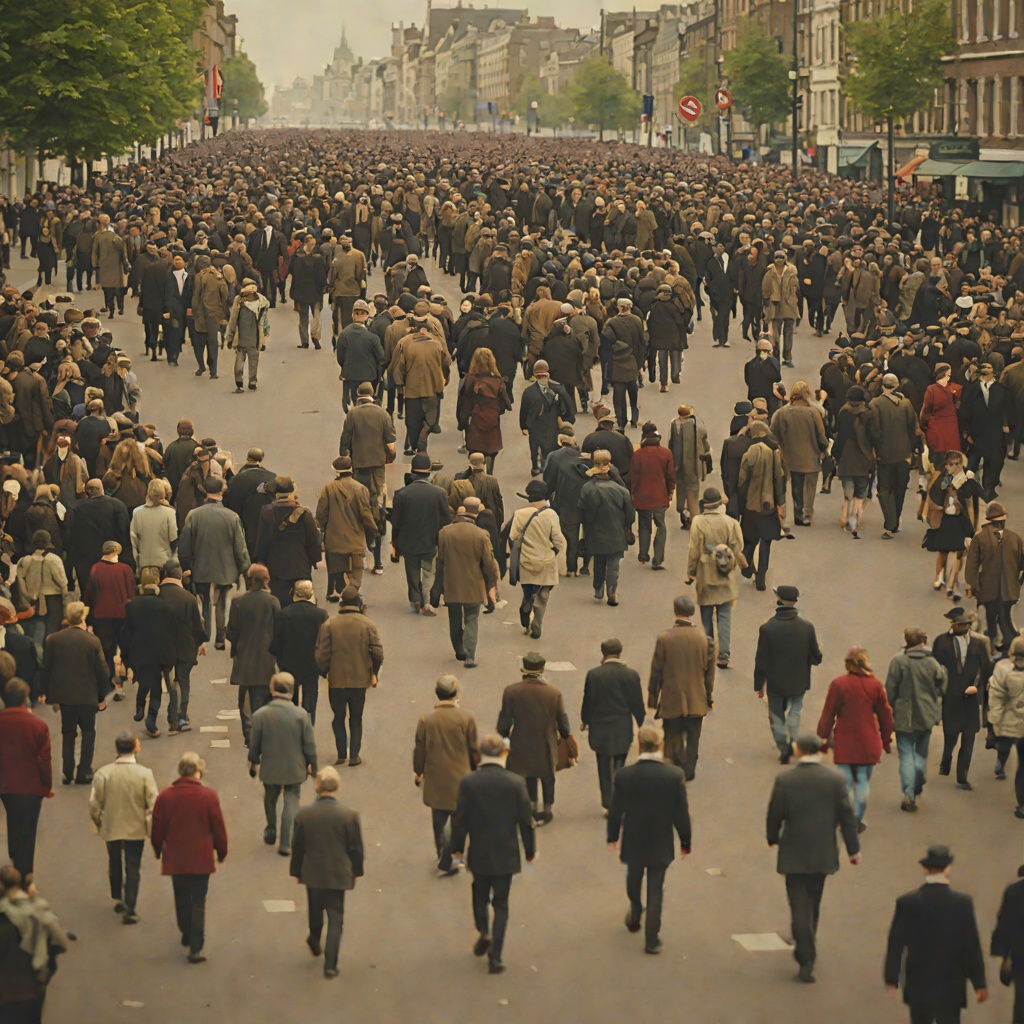
This final treatment exposes the Event’s system of death as both procedural and theatrical. The dead body remains within the machinery even after the struggle has ended, and the additional shooting makes the boundary between execution, confirmation, and ritual enforcement deliberately brutal. At the same time, the crowd’s delirious chant of "GARRATY, GARRATY, GARRATY!" turns the survivor into a public image. The crowd does not encounter the private boy who arrived with his mother in an old blue Ford, whose identity was processed through a blue plastic ID card and a computer terminal; it celebrates the officially produced winner.
The Prize and the State’s Ceremony
The Major stands in the jeep and holds a stiff salute, ready to grant the first wish, every wish, any wish, including a death wish. The Prize is therefore presented as unlimited reward, but its language also carries a fatal irony: after the Event has made death the condition of victory, even the winner’s wishes are framed against death. The authority that administered the Walk now presents itself as generous, though the generosity arrives through the same institutional power that counted, monitored, and eliminated the other participants.
The jeep’s position across the white line gives the final approach a controlled, almost staged geometry. The Major gets out and comes toward Garraty with a face described as kind and unreadable behind mirror sunglasses. His apparent kindness does not resolve the Event’s violence. Instead, the unreadable face preserves the distance between official ceremony and human consequence: the administrator can offer the Prize without revealing whether the gesture is compassion, triumph, or another form of command.
Garraty’s Failure to Return
Garraty steps aside from The Major rather than moving directly into the promised reward. He is not alone in the psychological sense, because the dark figure has returned ahead of him, beckoning. He tries to identify it through the dead and eliminated Walkers, wondering whether it might be Barkovitch, Collie Parker, Percy, Scramm, Gribble, or Davidson. The uncertainty makes the figure less a single ghost than a composite presence formed from everyone the road has taken.
The figure’s gesture repeats the Event’s central demand. It beckons Garraty to come, walk, and play the game, as though the contest has not ended but has only changed its visible setting. The recurrence of walking after the official proclamation overturns the expected value of victory: survival, which should bring freedom, produces continued submission to motion.
The final contact makes that reversal physical. When a hand touches Garraty’s shoulder again, he finds the strength to run. Running is an abrupt change from the enforced pace that governed the Long Walk, but it is not a calm escape. Garraty runs toward the dark figure, eyes blind and hands held out as if begging, while the fireworks and cheers remain behind him. The Event thus closes on movement without destination. The official ending is complete, but Garraty’s experience has no stable return to ordinary life; the road’s command has been internalized as an image that still calls him onward.