Bag End
The Lord of the RingsBag End is the hobbit-hole at the top of the Hill in Hobbiton, the home of Bilbo Baggins and later his adopted heir, Frodo Baggins. More than a mere dwelling, it is the central domestic space of the Shire in The Lord of the Rings, the place from which the great adventure begins and to which, after immense trials, it ultimately returns. Its name, a translation of the Westron Labin-nec, suggests a cul-de-sac or a dwelling at the end of a lane, a fitting metaphor for the secluded, comfortable, and self-contained life of its inhabitants before the Ring draws them into the wide world.
Description and Interior
Bag End is a classic, luxurious hobbit-hole, not a mere burrow but a large, rambling smial carved into the Hill. It features round doors, round windows, and a long, comfortable layout with many rooms, pantries, and cellars. The interior is described as cluttered with possessions, reflecting the hobbit tendency to accumulate mathoms (gifts with no immediate use). Bilbo's study, where he writes his memoirs and translates Elvish lore, is a key room, as is the kitchen, the scene of many meals and conversations. The garden, tended by the Gamgee family, is a source of pride and produce. The house is filled with Bilbo's souvenirs from his adventure, including his sword Sting, hung over the fireplace, and his mithril coat, later given to Frodo. The overall impression is one of deep, settled comfort, warmth, and security, a stark contrast to the dangers of the outside world.
The Departure and the Sale
Bag End is the setting for the novel's opening chapters, beginning with Bilbo's grand eleventy-first birthday party. The party itself is a celebration of Bilbo's wealth and peculiarity, but it also serves as the cover for his final, magical disappearance. The crucial scene between Bilbo and Gandalf in Bag End's study, where Bilbo struggles to give up the Ring, reveals the Ring's corrupting influence and sets the entire quest in motion. After Bilbo's departure, Frodo inherits Bag End. To facilitate his own secret departure, Frodo sells the beloved hole to his cousins, Lotho and Lobelia Sackville-Baggins, a transaction that causes him great personal pain and is seen by the community as a sign of his financial ruin. This sale marks the end of an era and Frodo's deliberate severing of his ties to the Shire.
The Scouring and Restoration
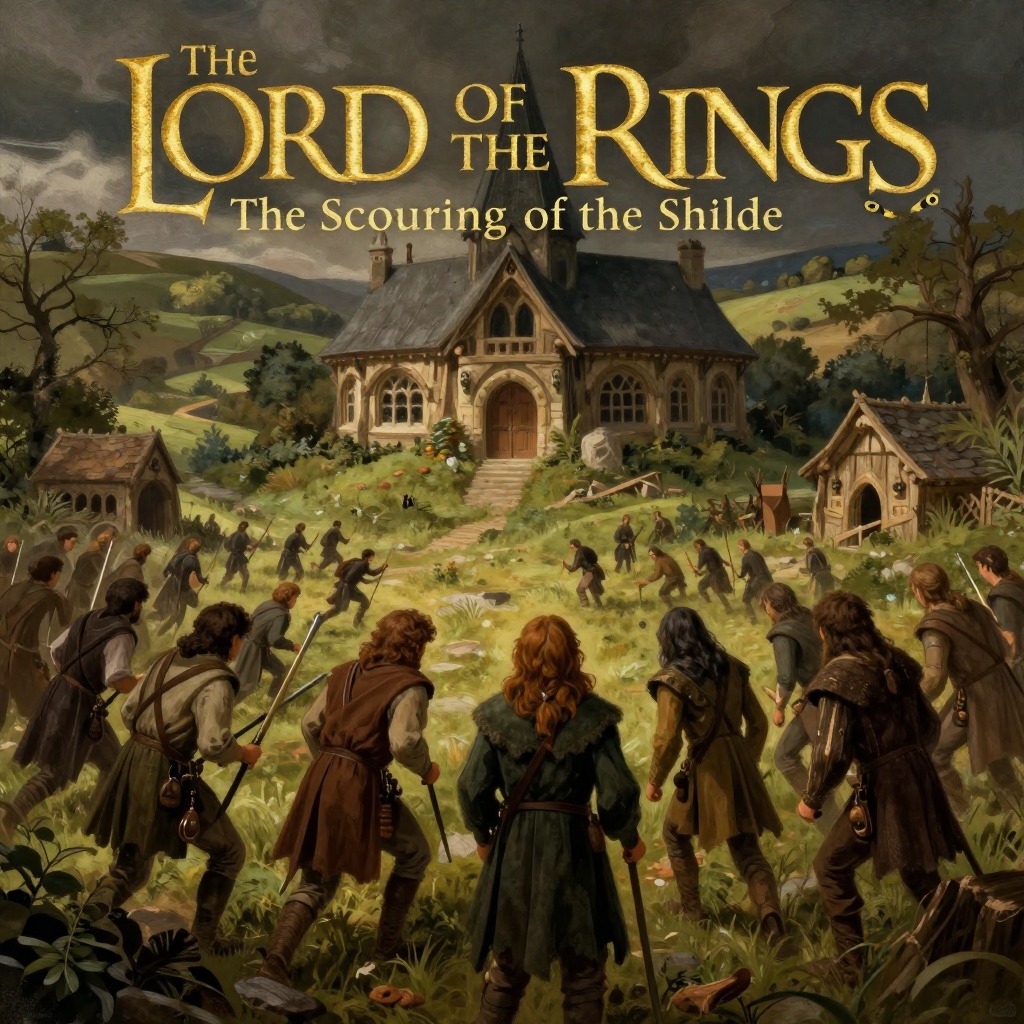
During the War of the Ring, Bag End falls into the hands of Lotho, who becomes the puppet 'Chief' of the Shire under the influence of Saruman (Sharkey). The once-beautiful home is desecrated: the garden is dug up and turned into a sand and gravel quarry, the Party Tree is felled, and the interior is filled with filth and used as a storehouse. When Frodo, Sam, Merry, and Pippin return, they find Bag End a symbol of the Shire's degradation. After the Battle of Bywater and Saruman's death, Frodo and Sam work to restore Bag End to its former state. Sam brings his new wife, Rose Cotton, to live there, and the hole is once again filled with life and warmth.
Narrative and Thematic Significance
Bag End functions as the primary symbol of the Shire's peace, plenty, and insularity. It is the 'ordinary world' from which the hero departs in the classic monomyth structure. The journey away from Bag End is a journey into danger and responsibility, and the desire to return to it is a powerful motivating force for Frodo and Sam. However, Frodo's final departure to the Grey Havens reveals that he cannot truly return to the simple life of Bag End; he has been too deeply wounded by his ordeal. The home is ultimately left to Sam, the true heir of the hobbit spirit, who will raise his family there and become the Mayor of the Shire. Bag End thus becomes a symbol not of a return to a static past, but of a renewed and peaceful future, preserved by the sacrifices of those who left it.
The name "Bag End" was not purely invented; Tolkien drew it from real life, specifically the name of his aunt's home in Worcestershire. This personal connection reflects the broader influence of his childhood experiences in the English countryside near Sarehole Mill, whose rural landscape and subsequent urbanization by Birmingham's growth shaped his idealized vision of the Shire. Tolkien's philological background also informed his work, as he was a gifted linguist influenced by Celtic, Finnish, Slavic, and Greek languages and mythologies, alongside the Old English epic Beowulf and the Finnish Kalevala. Literary antecedents include adventure stories by John Buchan and Rider Haggard, as well as the Arts and Crafts polymath William Morris. Additionally, his harrowing experience fighting in the trenches of the First World War deeply impacted his writing, with the militarization and industrialization of that conflict inspiring the character of Sauron and his forces, while the Orcs represented the worst of war's brutality and dehumanization.