Gondor
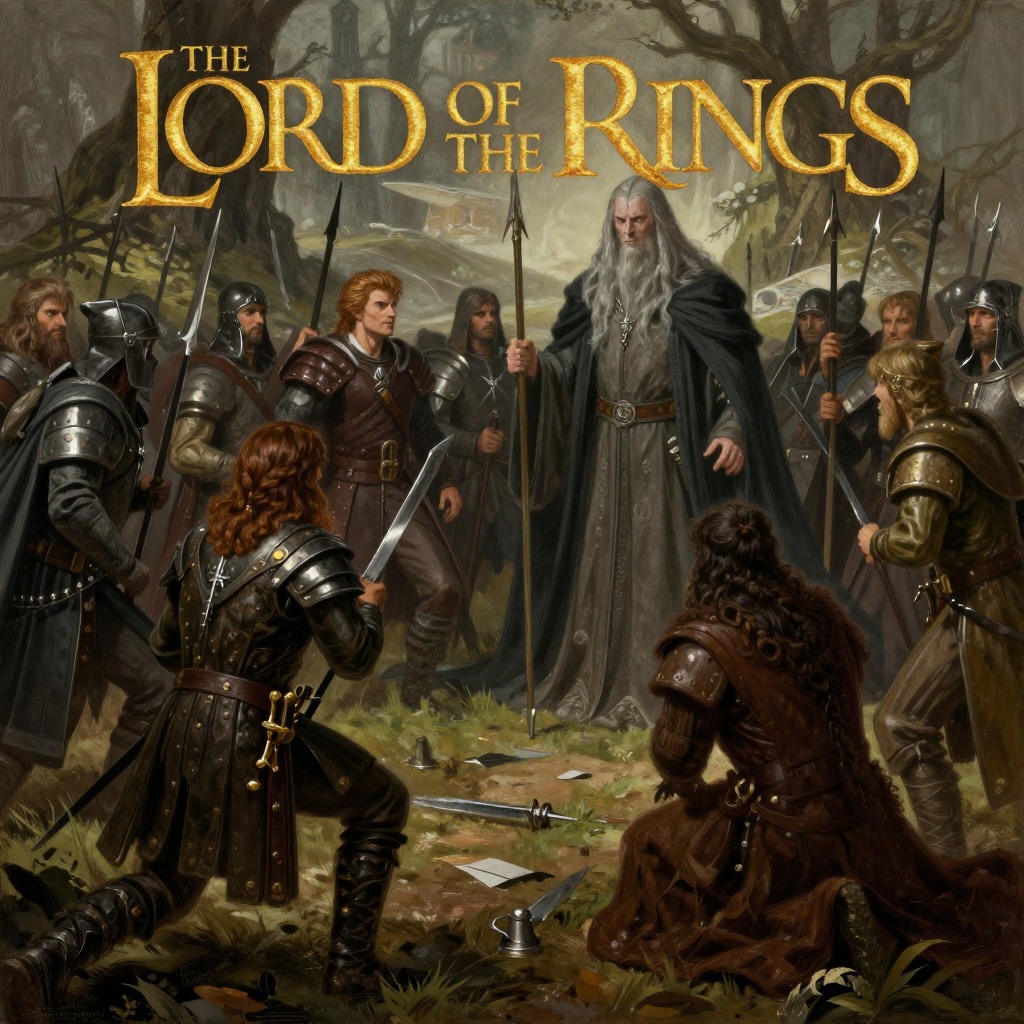
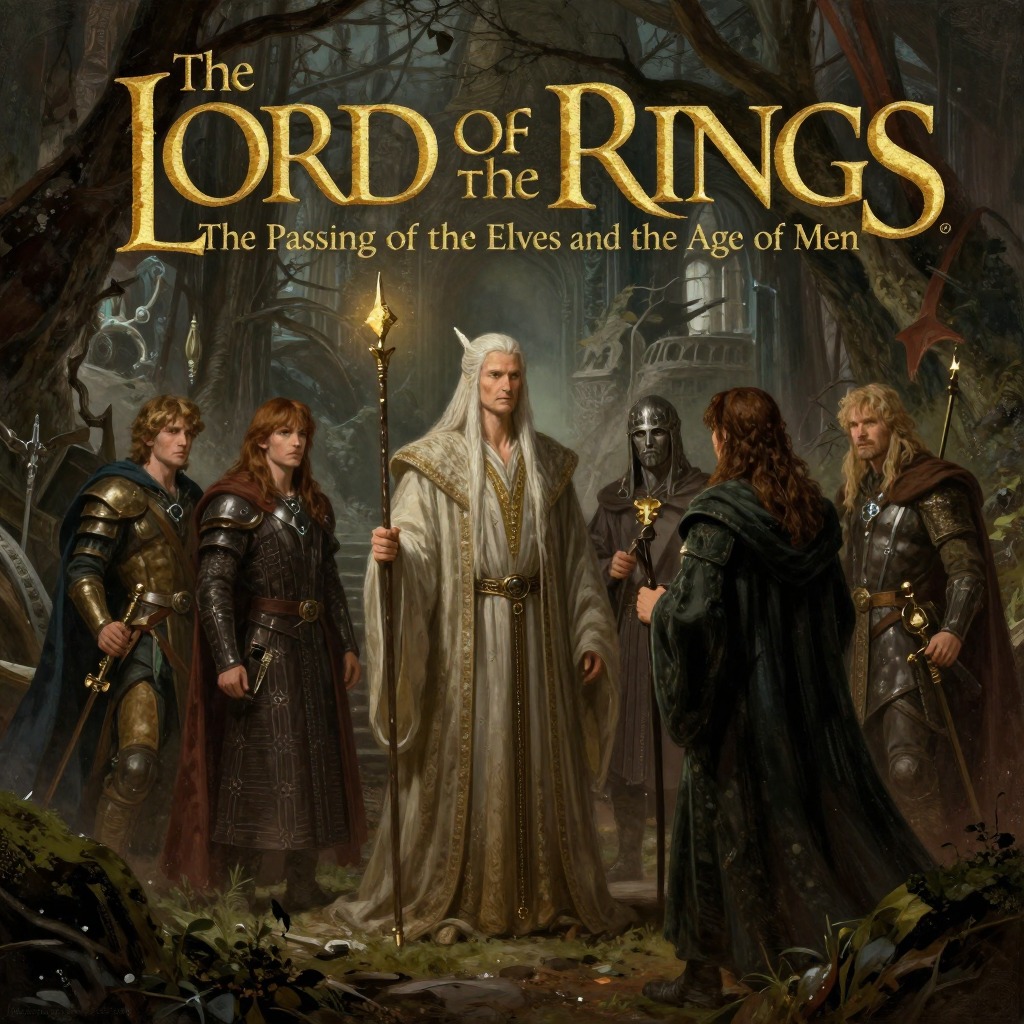
The Lord of the RingsGondor is the southern of the two great Númenórean kingdoms founded in Middle-earth after the Downfall of Númenor. Established by Elendil's sons, Isildur and Anárion, it long endured as the chief western bastion against the power of Mordor. Its history is one of gradual decline from a high peak of power, through civil war, plague, and relentless war, until the War of the Ring brings it to the brink of destruction and then to a final, unexpected renewal under a returned king.
Foundation and Early Glory
After the cataclysm that sank Númenor, Elendil the Tall and his sons, Isildur and Anárion, were borne on the winds of a great storm to the shores of Middle-earth. There they established the Númenórean realms in exile: Arnor in the north and Gondor in the south. The rule in the South was committed to Isildur and Anárion, who founded Osgiliath, the Citadel of the Stars, between Minas Ithil and Minas Anor, not far from the confines of Mordor. For a time, Gondor's power grew mightily. The Ship-kings extended its sway along the coasts, and Hyarmendacil I brought Gondor to the summit of its power, with a realm that stretched from the Field of Celebrant to the River Harnen, and from the Greyflood to the inland Sea of Rhûn. The watch upon Mordor was kept, and the kings of the Harad did homage.
Decline and the Kin-strife
The waning of Gondor began even before the death of Atanatar Alcarin the Glorious. The first great evil to befall the realm was the civil war of the Kin-strife, which caused great loss and ruin. This war arose from the marriage of King Valacar to Vidumavi, a woman of the Northmen, and the subsequent succession of their son Eldacar. The rebels, led by Castamir the Usurper, besieged Eldacar in Osgiliath, burning the city and destroying the Tower of the Dome, where the palantír was lost. Though Eldacar eventually regained the crown, the realm was permanently weakened, and the rebel descendants established an independent lordship at Umbar, which remained a constant threat.
The Plague and the Watch on Mordor
The second great evil was the Great Plague, which came with dark winds out of the East during the reign of King Telemnar. The King and all his children died, and great numbers of the people perished, especially in Osgiliath. For weariness and fewness of men, the watch on the borders of Mordor ceased, and the fortresses that guarded the passes were unmanned. The White Tree of Minas Anor withered and died. Though a seedling was replanted by Tarondor, the King's house was permanently removed to Minas Anor, and Osgiliath began to fall into ruin.
The War of the Ring and the Last Stand
By the time of the War of the Ring, Gondor was a failing people, a springless autumn, as Faramir described it. The line of the Kings had ended with Eärnur, and the realm was ruled by the Stewards, of whom Denethor II was the last. The forces of Mordor, led by the Witch-king, launched a massive assault, crossing the Anduin, taking Osgiliath, and besieging Minas Tirith itself. The city's outer wall, the Rammas Echor, was breached, and the Pelennor Fields were overrun. In the darkest hour, the Rohirrim arrived, and the Battle of the Pelennor Fields was fought. Though Théoden fell, the tide was turned by the arrival of Aragorn with the Grey Company and the black fleet of Umbar, which he had captured. The siege was broken, and the host of Mordor was destroyed.
The Restoration of the Kingdom
After Sauron's fall, Aragorn, the heir of Isildur, was crowned King Elessar. He entered Minas Tirith and took up the crown of Gondor, and the banner of the Tree and the Stars was unfurled upon the topmost tower. The White Tree, a sapling of the line of Nimloth, was found on the slopes of Mindolluin and planted in the court of the Citadel, where it blossomed. The reign of King Elessar began, and Gondor was made more fair than it had ever been, even in the days of its first glory. The city was filled with trees and fountains, and the houses were filled with men and women and the laughter of children. The realm was restored to its ancient bounds, and peace was made with the peoples of the East and South. The Third Age ended, and the Fourth Age began, the age of the Dominion of Men.