Osgiliath
The Lord of the RingsOsgiliath, known in its glory as the Citadel of the Stars, was the ancient chief city of Gondor, a vast and beautiful metropolis that straddled the Great River Anduin. For centuries it served as the heart of the South-kingdom, a symbol of Númenórean power and craftsmanship. Its strategic location, commanding the crossings of the Anduin, made it the key to the defense of Minas Tirith and the entire realm. By the time of the War of the Ring, however, Osgiliath was a shadow of its former self, a ruined and largely deserted city that had become the primary battleground between Gondor and the forces of Mordor.
History and Decline
Osgiliath was founded by Isildur and Anárion, the sons of Elendil, after the Downfall of Númenor. It was the first capital of the Southern Kingdom, and its most prominent feature was the Great Bridge, a marvel of stonework that spanned the River. The city was also home to the Dome of Stars, which housed the chief of the seven palantíri, the Seeing-stones of Gondor. For over a thousand years, Osgiliath flourished as the seat of the Kings of Gondor, a center of trade, culture, and military might. Its decline began with the Kin-strife, a devastating civil war in the 15th century of the Third Age. During the siege and burning of the city, the Dome of Stars was destroyed, and the master palantír was lost in the waters of the Anduin. The city never fully recovered from this blow. The Great Plague of 1636 further depopulated Osgiliath, and many of its survivors fled, unwilling to return. King Tarondor subsequently moved the royal court permanently to Minas Anor (later Minas Tirith), and Osgiliath began its long, slow descent into ruin.
The Front Line of War
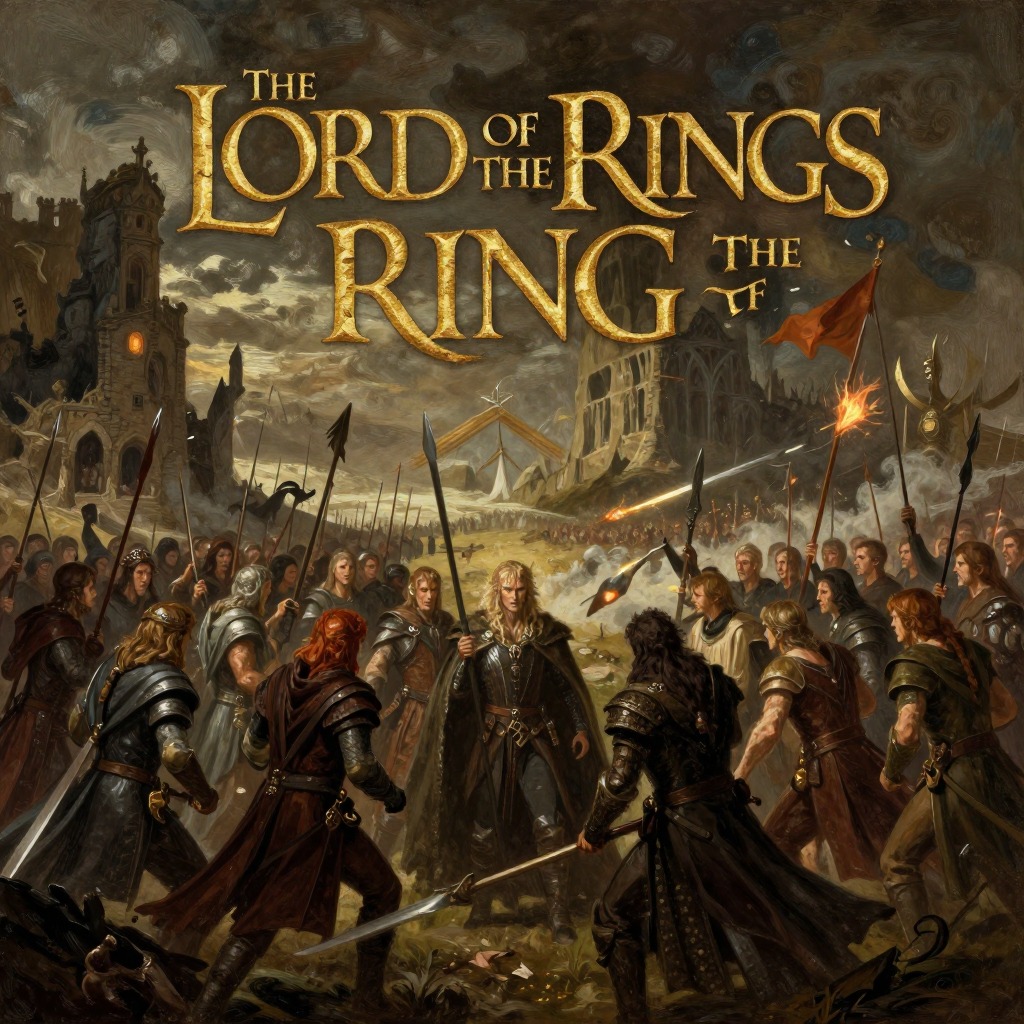
By the time of the War of the Ring, Osgiliath was a shattered and largely abandoned city, its once-proud stone-bridge broken. It had become the most fiercely contested frontier between Gondor and Mordor. The forces of Sauron, particularly the Orcs of Mordor and the Ringwraiths from Minas Morgul, repeatedly assaulted the city, seeking to win the crossings of the Anduin and open the way to Minas Tirith. The men of Gondor, under the command of captains like Boromir and Faramir, fought desperately to hold the western bank and the ruins of the city. The struggle for Osgiliath was a constant, grinding war of ambush and skirmish, a prelude to the great siege of the White City. The city's fate was sealed when the Witch-king of Angmar led a massive assault, overwhelming the defenders and finally securing the crossings for Mordor. The fall of Osgiliath was the final, terrible blow that allowed the armies of the Dark Lord to encircle Minas Tirith.
Narrative Significance
Osgiliath serves as a powerful symbol of Gondor's faded glory and its desperate, prolonged struggle for survival. Its ruined state is a constant visual reminder of the kingdom's decline from the heights of Númenórean power. The city is not merely a backdrop but an active character in the war, its possession shifting back and forth, its fate directly tied to the fate of Minas Tirith. The battles for Osgiliath are where the heroism of Boromir and the strategic wisdom of Faramir are most clearly demonstrated, and where the overwhelming might of Sauron is first felt in its full, crushing force. The city's loss is the final, desperate act that precipitates the siege of Minas Tirith, making it a crucial turning point in the War of the Ring. The memory of its former beauty and its current desolation underscores the central theme of a world in decline, fighting a last, desperate battle against an encroaching shadow.