
Leda and the Unnatural Mother
The Lost DaughterLeda’s summer behavior exposes her conflict between maternal tenderness and the wish to remain separate from the needs of others.
increasing Bearing strength in each event
 decreasing
Bearing strength in each eventdecreasingRelief at Distance
Relief at Distance
Daily care ends
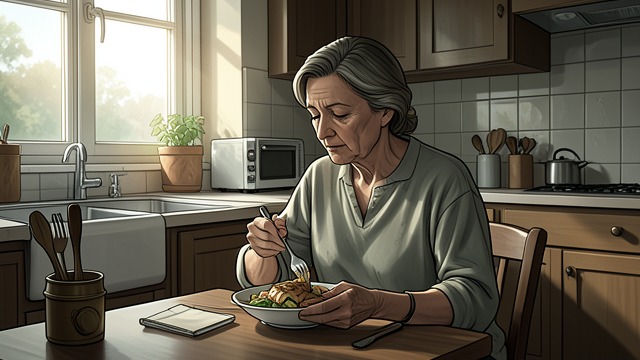
Leda finds that the girls’ move brings relief rather than grief. Without their schedules and household needs, she works, sleeps, and eats according to her own rhythms.
Freedom feels convincing
For a time, she interprets this change as a completed task and a return to her proper self. The ease depends on physical distance, however, and has not yet been tested by another child’s distress.
Judging Another Mother
Judging Another Mother
Idealization turns sour
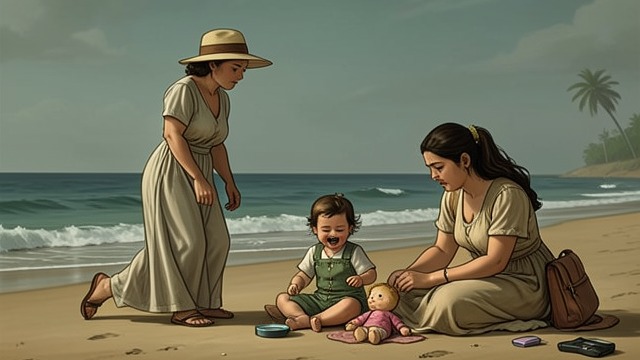
Leda first admires Nina’s loving attention to Elena, then becomes irritated by their play with the doll. She imagines that Nina is displaying motherhood for the beachgoers rather than acting from simple affection.
Projection surfaces
Her changing response reflects a familiar conflict: she wants to admire maternal closeness but also resents its claims. The distant scene becomes a screen onto which Leda projects her own unresolved history.
Finding Elena
Finding Elena
Responsibility returns
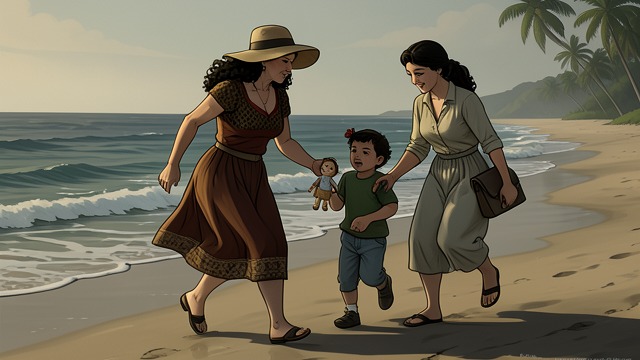
Leda joins Nina’s frantic search and finds Elena alone by the water. Her own memory of losing Bianca helps her understand the mother’s fear and the child’s disorientation.
An unacknowledged choice
Although she helps reunite them, Leda has already taken the doll. The contrast between her useful public action and secret private act makes her maternal impulses difficult to classify as either generous or cruel.
A Confession in Public

A Confession in Public
The past is disclosed
When Rosaria asks about her daughters, Leda tells her that she left them when they were young and returned three years later. She does not fully know why she chooses to tell strangers.
Vulnerability meets judgment
Rosaria reacts with alarm, while Nina looks at Leda from a newly distant position. Leda has sought recognition, but her confession makes her history an object of others’ moral judgment.
The Unnatural Mother

The Unnatural Mother
Accusation becomes explicit
Nina discovers that Leda has had the doll and condemns her for remaining silent while Elena suffered. Leda calls herself an unnatural mother, and Nina agrees before reclaiming the toy.
No easy absolution
The label neither explains Leda’s action nor cancels her capacity for care. It names the distance between maternal ideals and Leda’s real conduct, a distance the ending leaves open rather than repairing.
After Bianca and Marta move to Toronto
The first week at the beach
The second Sunday afternoon
At the toy shop the following day
At the final confrontation
