
Maternal Love and Resentment
The LoverThis flow traces The Narrator’s changing bond with The Mother from dependence and admiration to hatred, pity, and posthumous understanding.
increasing Bearing strength in each event
 decreasing
Bearing strength in each eventdecreasingThe Mother’s Love
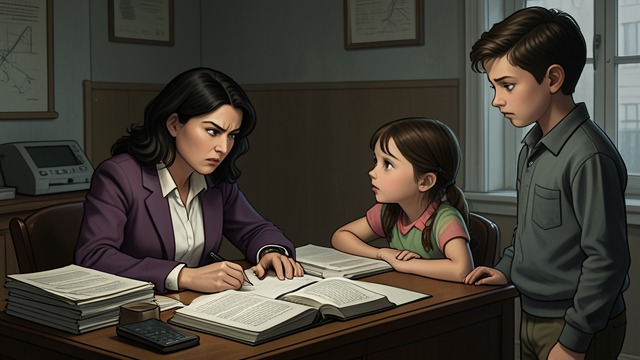
The Mother’s Love
Fierce investment
The Mother insists that The Narrator study and imagines her future beyond the colony. Her demands arise from fear but also from belief in the child’s exceptional capacity.
Unequal children
She treats The Elder Brother as the indispensable child and the younger two as those who might escape. This hierarchy shapes each child’s sense of worth.
Love as pressure
The Narrator receives care in the form of plans, restrictions, and expectations. Maternal love is inseparable from the need to be saved.
Love and Hatred
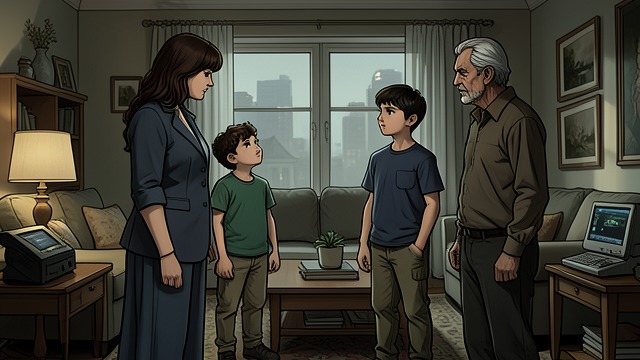
Love and Hatred
Opposed emotions
The Narrator loves The Mother and wants to kill her or The Elder Brother. Affection and murderous resentment occupy the same household space.
Shared ruin
The children are united by the catastrophe surrounding The Mother’s land, poverty, and despair. Their solidarity is built from damage rather than harmony.
No clean judgment
The Narrator recognizes The Mother’s failures without reducing her to them. Pity and accusation remain permanently entangled.
The Daughter’s Escape

The Daughter’s Escape
A mother’s prophecy
The Mother says The Narrator may escape from the family. She recognizes that the daughter’s intelligence and sexuality will carry her beyond domestic control.
Freedom through scandal
The affair makes escape possible but also threatens social disgrace. The daughter leaves by violating the very rules that were meant to protect her.
Separation anticipated
Both know that departure will be a loss. The Mother’s hope for the daughter’s freedom therefore contains the grief of being abandoned.
The Death of Love
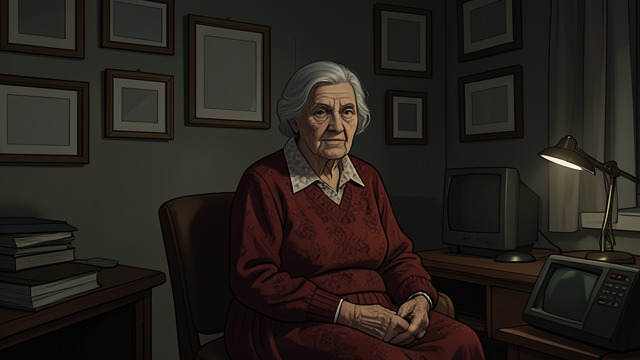
The Death of Love
A final rupture
The Narrator leaves The Mother after Paulo dies. She experiences The Mother as having died emotionally at the same moment.
Memory emptied
She can no longer recover The Mother’s scent, voice, or laughter. The loss is not only separation but the collapse of sensory attachment.
Writing after detachment
Once love has become inaccessible, The Mother can be described at length. Literature begins where direct filial feeling has ended.
Posthumous Understanding
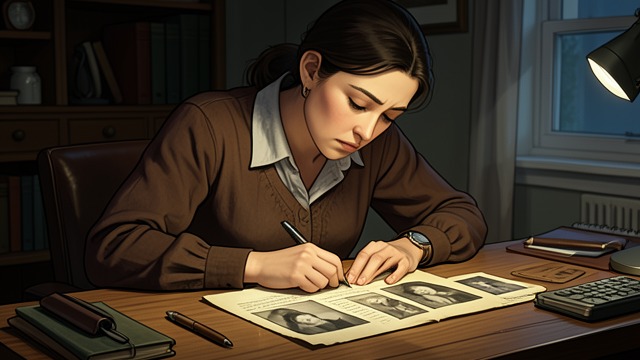
Posthumous Understanding
Reading the past again
The Narrator revisits The Mother’s photographs, land scheme, debts, and madness. Retrospection reveals motives that childhood could only experience as arbitrary.
Grace in endurance
Even absurd persistence appears as a form of courage. The Mother’s refusal to abandon the family becomes both tragic error and moral force.
Love without return
Understanding does not restore affection. It creates a more complex memorial in which The Mother is neither absolved nor abandoned to caricature.
During The Narrator’s childhood
During the family’s years of greatest financial and emotional strain
When The Narrator begins returning from Cholon by limousine
After Paulo’s death during the Japanese occupation
During the adult writing of The Mother’s story
