
Exile and Belonging
The LoverThis flow traces how movement between Indochina and France produces a lasting condition of rootlessness rather than a settled home.
increasing Bearing strength in each event
 decreasing
Bearing strength in each eventdecreasingColonial Displacement
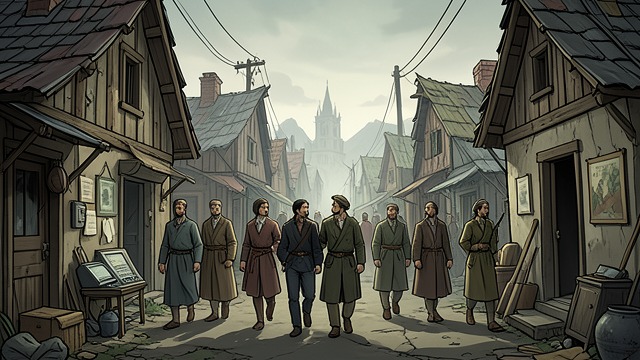
Colonial Displacement
Foreign at home
The Narrator is descended from France yet grows up in Indochina. She belongs to the colonial ruling population while remaining emotionally estranged from its social world.
A temporary household
The family moves between postings, rented houses, and failed projects. Every home feels provisional and difficult to inhabit.
Rootlessness as inheritance
The children learn that identity is made from departure. Belonging becomes less a place than an unstable relation to others.
The Boarding School
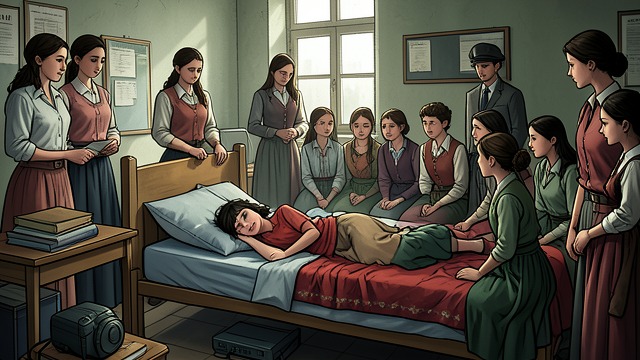
The Boarding School
Between communities
The Narrator sleeps in a state boarding school with local, mixed-race, and white girls while attending a French institution. She occupies several social categories without fully belonging to any.
Freedom and scrutiny
The school becomes a hotel because she is white, yet teachers monitor her absences and sexuality. Privilege and confinement operate together.
A rehearsal for exile
Living away from The Mother prepares her for departure. The boarding school is the first place where she is socially detached from the family.
The Port as France

The Port as France
Europe before departure
The ships bring French restaurants, dances, and passengers to the Saigon River. France appears as a temporary floating extension of the colony.
An inaccessible elsewhere
The Mother cannot afford the port’s luxuries, while The Lover from Cholon fears being seen there with The Narrator. Class and race restrict access to imagined belonging.
Departure rehearsed
The port allows The Narrator to experience France before reaching it. The future homeland is first encountered as a place from which others can still exclude her.
Paris Without Return

Paris Without Return
A new geography
The Narrator reaches France and eventually lives in Paris, but arrival does not produce emotional homecoming. The colonial past remains active within her.
War reshapes belonging
German occupation, liberation, and political commitments complicate her place in French history. She carries Indochina into every European affiliation.
The old lover returns
The Lover from Cholon’s call proves that exile has not erased the earlier world. Paris becomes the site where the lost colony speaks back.
Return to Vietnam

Return to Vietnam
A changed country
The Narrator returns to Ho Chi Minh City after wars and foreign occupations have ended. Public peace contrasts with the colonial violence of her youth.
Recognition across language
She meets Vietnamese writers and exchanges love with a woman through Chinese. The encounter creates connection without pretending that history has vanished.
A new belonging
Return does not reclaim the past. It permits an ethical farewell: to see Vietnam clearly, love its otherness, and leave without possession.
During The Narrator’s childhood in Indochina
During the Saigon high-school years
When the liners dock on the Saigon River
After The Narrator arrives in France
Tet season, 1997, in Ho Chi Minh City
