
Anna’s Trial and the Question of Sanity
The LuminariesThis thread follows the effort to turn Anna’s addiction and unconventional conduct into legal proof of guilt or insanity.
increasing Bearing strength in each event
 decreasing
Bearing strength in each eventdecreasingAn Attempted-Suicide Charge
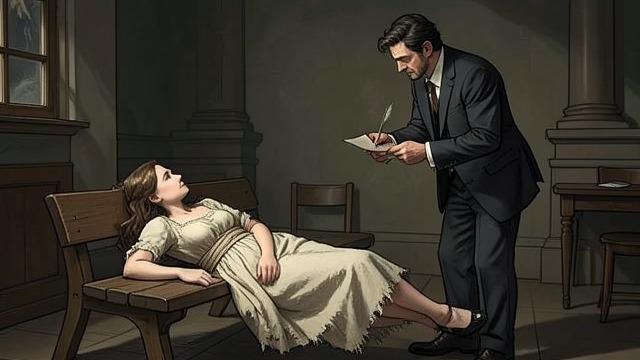
An Attempted-Suicide Charge
Anna wakes in custody
After an opium blackout, Anna wakes shackled in the Police Camp. Officials interpret her condition as evidence of attempted suicide.
Her own account is absent
She cannot explain what happened, and her silence is treated as proof rather than uncertainty. The charge begins before she can speak for herself.
A Pistol Adds Suspicion
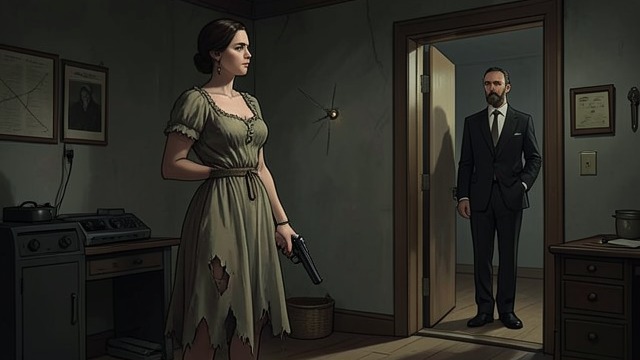
A Pistol Adds Suspicion
An inexplicable discharge
Anna’s muff pistol fires during an argument, but the first bullet leaves no trace. The strange occurrence is witnessed by Pritchard and Gascoigne.
A later wound appears
Staines returns with a bullet from a similar weapon. Officials connect the two events and begin treating Anna as a suspect.
A Forged Deed Raises the Stakes
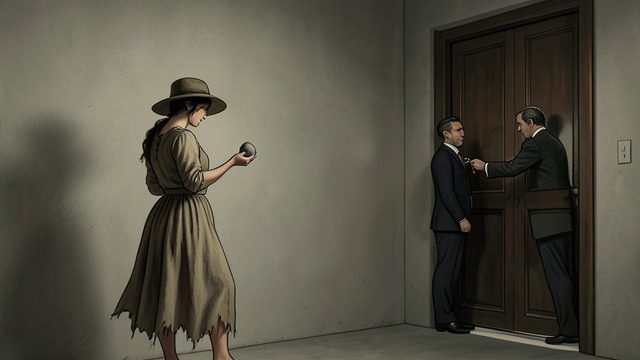
A Forged Deed Raises the Stakes
Anna signs the paper
After reading the deed with surprising ease, Anna adds Staines’s signature and hides the document. Devlin calls the act fraud.
Shepard sees an opening
The forged deed can be used to argue motive for assault or grounds for confinement. Anna’s credibility becomes the central legal battleground.
Charges Gather Around Her
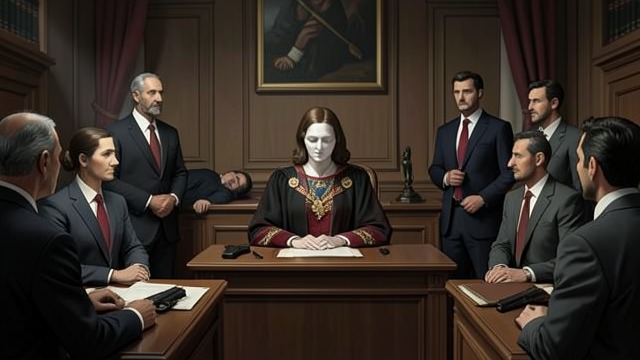
Charges Gather Around Her
The prosecution combines allegations
Shepard and Fellowes use the deed, the pistol, and Anna’s collapse at court to assemble charges of forgery, disorderly conduct, and assault.
A higher court threatens
The allegation of grievous assault could send Anna to a Supreme Court trial. Her past addiction is repeatedly used to undermine her testimony.
Moody Defeats the Case
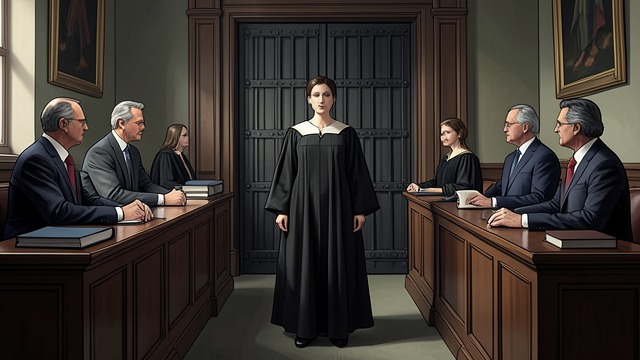
Moody Defeats the Case
The prosecution is challenged
Moody shows that Anna signs only with an X and exposes Shepard’s conflict with Ah Sook. Devlin testifies that she is sane.
Anna is acquitted
The evidence fails to prove the charges. The verdict releases Anna, though the court’s moral expectations remain visible in its warning.
15 January 1866
27 January 1866
20 March 1866
March to April 1866
Morning of 27 April 1866
