
Names as Shelter and Trap
The LuminariesThis thread explores how aliases and missing documents shape identity, legal proof, and the characters’ attempts to escape their pasts.
increasing Bearing strength in each event
 decreasing
Bearing strength in each eventdecreasingCarver Uses Wells’s Name

Carver Uses Wells’s Name
A borrowed identity appears
Carver advertises as Crosbie Francis Wells and presents a birth certificate. The name offers cover for a search that he does not want publicly connected to himself.
Identity becomes evidence
Löwenthal’s memory preserves the paper trail. The borrowed name later links the convict, the ship, and the dead hermit.
A Sale Hides an Initial
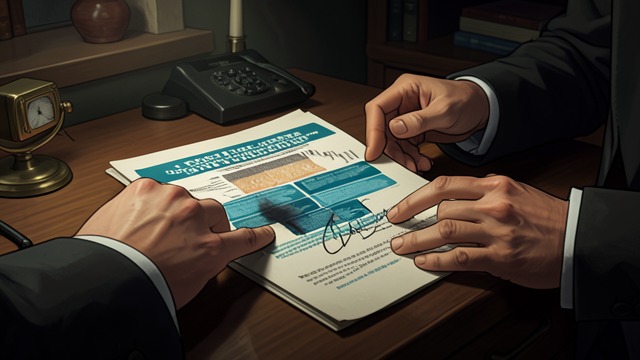
A Sale Hides an Initial
A signature is made ambiguous
Carver signs the bill of sale in a way that can be read as Francis Wells or C. Francis Wells. The uncertainty is deliberate.
Paper outlives its maker
The deed later becomes the central dispute in court. Its ambiguity benefits Carver until Moody can compare it with authentic signatures.
The Real Wells Leaves No File
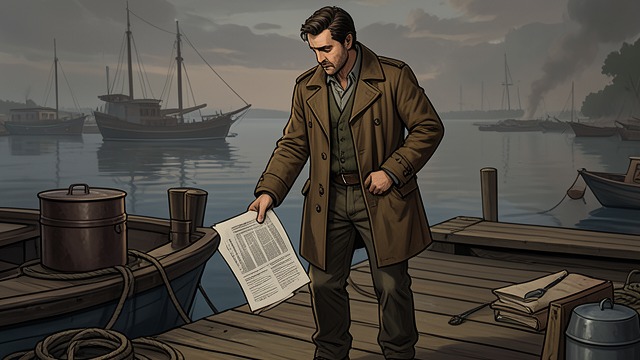
The Real Wells Leaves No File
A man sheds his records
Wells arrives in the Arahura with few documents and keeps his identity private. His anonymity suits a man escaping conflict but later obstructs legal proof.
Absence becomes a weapon
After his death, officials cannot readily verify his marriage or property. The lack of papers gives others power to define him.
Moody Reads the Letters
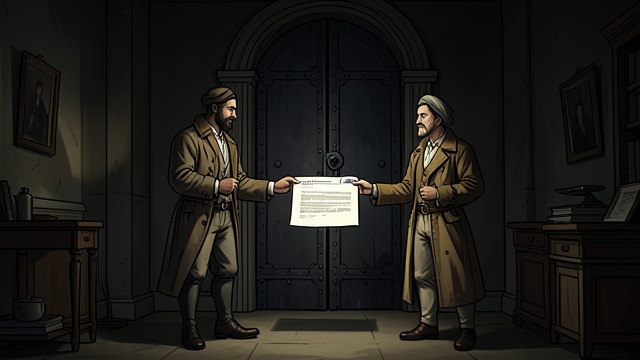
Moody Reads the Letters
A private identity is revealed
Letters in Lauderback’s trunk show that Crosbie Wells was his half-brother. A hidden name becomes a family history rather than a mere legal label.
The discoverer chooses silence
Moody returns the letters instead of exposing them. He recognizes that truth can still violate the privacy of the dead.
The Court Compares Signatures

The Court Compares Signatures
A false name is exposed
Moody compares Carver’s bill of sale with Wells’s letter and deed. The differences support a charge of impersonation and fraud.
Identity is not fully restored
The evidence clarifies who signed the ship contract, but the court cannot recover all the papers Carver stole. Legal recognition arrives after the damage.
June 1865
12 May 1865
After leaving Dunedin, 1865
18 February 1866
27 April 1866
