
The Courtroom’s Unequal Scales
The LuminariesThis thread follows the court as it tests evidence while exposing the unequal credibility granted to women, Chinese workers, and men of authority.
increasing Bearing strength in each event
 decreasing
Bearing strength in each eventdecreasingAnna Is Judged Before Testifying
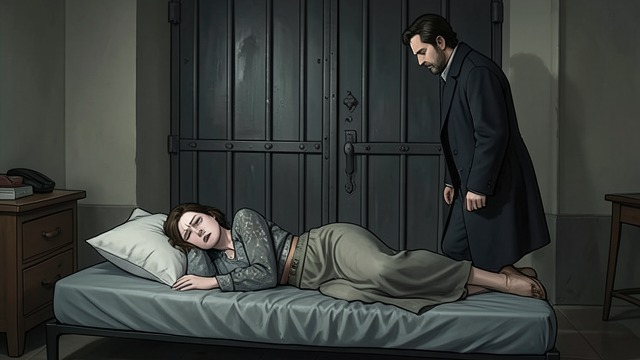
Anna Is Judged Before Testifying
Her collapse becomes an accusation
Anna is charged with attempted suicide while unconscious and unable to explain herself. Her profession and addiction shape the public response.
Authority fills the silence
Shepard and the police decide what her behaviour means before hearing her account. Legal process begins from a presumption of moral failure.
Quee’s Words Are Dismissed

Quee’s Words Are Dismissed
A complaint cannot be heard
Quee tries to explain Mannering’s fraud, but Shepard declines to investigate. His limited English is treated as a lack of substance.
Formal justice excludes him
The institution protects its own convenience and leaves the indentured worker without remedy. The scene makes prejudice procedural as well as personal.
A Warrant Becomes a Manhunt

A Warrant Becomes a Manhunt
Shepard sends men into town
After Ah Sook buys a pistol, Shepard issues a warrant and circulates his name. Quee is mistaken for the wanted man and beaten.
Identification fails under pressure
The search relies on crude racial assumptions and poor communication. The law’s error is physical before it becomes acknowledged.
Moody Challenges the Accuser

Moody Challenges the Accuser
Bias is brought into evidence
Moody links Shepard’s charges against Anna to his history with Ah Sook and the death of his brother. He submits the old trial record.
The judge limits the prosecution
Justice Kemp refuses an immediate re-examination but recognizes the connection. Shepard’s moral authority is no longer unquestioned.
A Civil Verdict and a Violent Death

A Civil Verdict and a Violent Death
Anna is acquitted
The court finds the evidence insufficient and releases her. Staines receives a labour sentence for his admitted financial crimes.
Law fails to contain violence
Carver dies during transport after the hearings. The verdicts establish legal outcomes, but do not explain or prevent every act of violence.
January 1866
January 1866
20 March 1866
27 April 1866, morning
27 April 1866
