
A Claim to Be a Good Man
The LuminariesThis thread compares characters’ moral self-images with the actions they conceal, forgive, or refuse to acknowledge.
increasing Bearing strength in each event
 decreasing
Bearing strength in each eventdecreasingBalfour Calls Himself Modern

Balfour Calls Himself Modern
Freedom is his ideal
Balfour celebrates self-making and business enterprise, treating inherited status as an outdated burden. He admires men who appear to remake themselves.
Sympathy has limits
He dismisses other people’s past suffering when it does not fit his optimistic view. His generosity coexists with a narrow understanding of grief.
Devlin Conceals a Deed
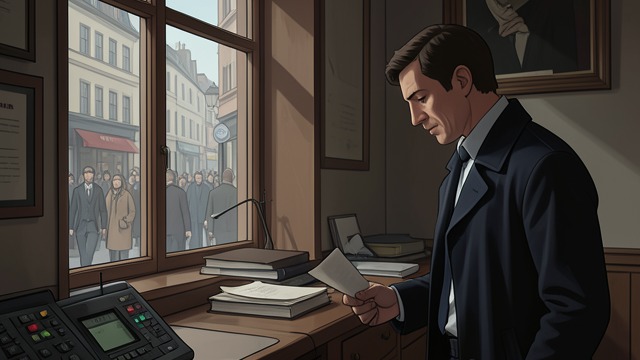
Devlin Conceals a Deed
Virtue excuses a questionable act
Devlin hides the gift deed and does not confess. He tells himself he is protecting Anna from false hope.
Self-image remains intact
Rather than examine his motives, he forgets the act until it becomes useful. His goodness is partly a story he tells about himself.
Shepard Equates Law and Duty
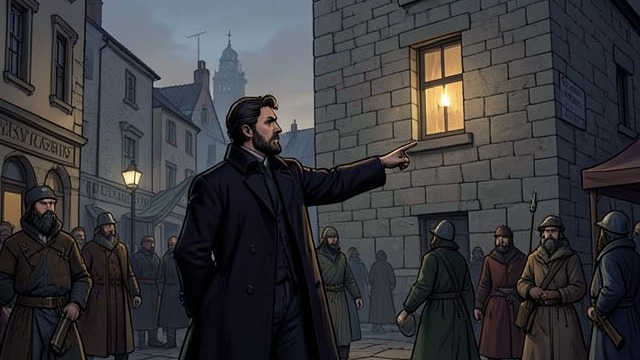
Shepard Equates Law and Duty
Order becomes a moral code
Shepard believes firm punishment will civilize Hokitika. He treats personal restraint and public discipline as the same virtue.
Private grievance shapes judgment
His history with Jeremy and Ah Sook influences his later actions, although he presents them as lawful necessity. Duty does not make his motives neutral.
Lydia Makes Kindness a Strategy
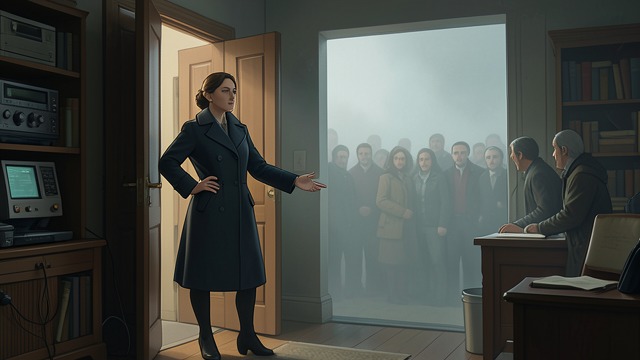
Lydia Makes Kindness a Strategy
Generosity creates attachment
Lydia pays Anna’s debt and offers her lodging, while also directing her work and public image. Benevolence functions as care and control.
Self-interest remains visible
She wants a successful business and a secure future with Carver. Her kindness does not require her to surrender advantage.
Justice Is Not Self-Exoneration
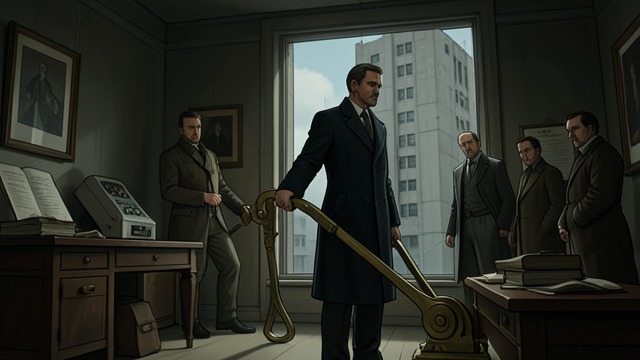
Justice Is Not Self-Exoneration
Staines admits the breach
Staines accepts that his theft and false records violate the law, even though he believes Carver deserves loss. He does not confuse grievance with innocence.
Verdicts cannot settle the moral account
The court sentences Staines and acquits Anna, but Carver’s death remains unresolved. Legal outcomes clarify responsibility without producing moral purity.
January 1866
15 January 1866
January to March 1866
January to April 1866
27 April 1866
