
The Trial’s Two Verdicts
The LuminariesThis thread follows the paired hearings that judge Anna’s conduct and Staines’s financial crimes, while exposing the limits of courtroom truth.
increasing Bearing strength in each event
 decreasing
Bearing strength in each eventdecreasingAnna Is Charged
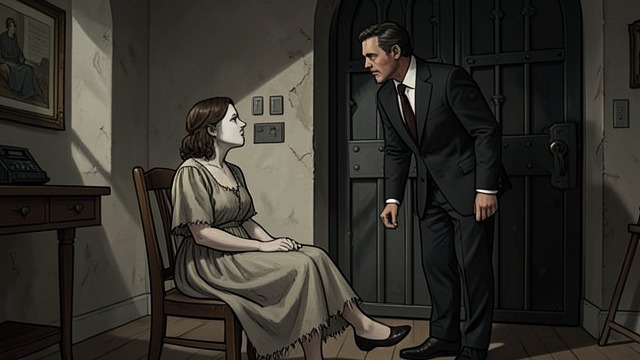
Anna Is Charged
Three accusations converge
Anna faces forgery, disorderly conduct, and grievous assault. The alleged signature, her collapse, and Staines’s wound are presented as one story of guilt.
Moody accepts the defence
He agrees to represent her only after examining the relation between the evidence and Shepard’s motives. The trial will test both law and character.
The Prosecution Frames Anna
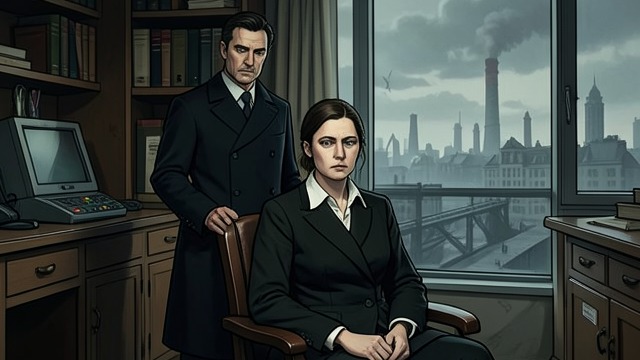
The Prosecution Frames Anna
Addiction becomes character evidence
Broham describes Anna as damaged and dangerous, linking opium use to forgery and violence. The justice instructs him to avoid degrading language.
Anna gives her account
She admits despair and love for Staines but denies the charges. Her testimony places emotional context beside the prosecution’s physical evidence.
Moody Questions Shepard’s Motive
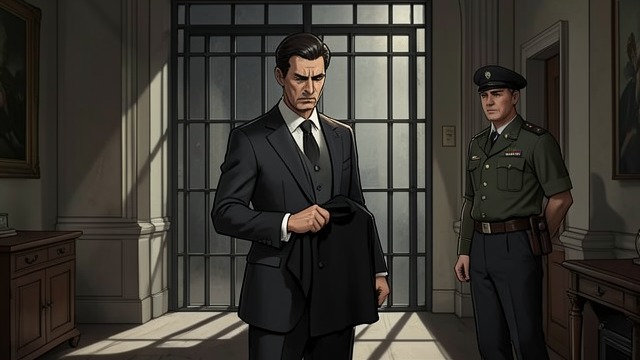
Moody Questions Shepard’s Motive
A past acquittal enters the record
Moody introduces Ah Sook’s Sydney trial and establishes Shepard’s personal connection to the dead man. The gaoler’s hostility is no longer merely hypothetical.
A signature is tested
Moody shows that Anna signs with an X, undermining the claim that she forged a perfect signature. Devlin’s testimony supports her sanity.
Staines Pleads Guilty
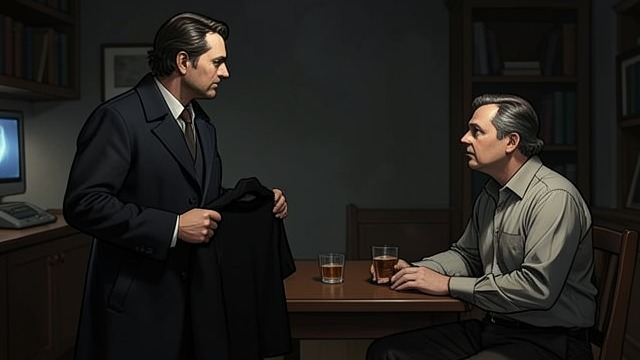
Staines Pleads Guilty
The missing man explains the gold
Staines admits falsifying the Aurora report and taking Quee’s bars. He says he intended to give Anna half the fortune.
His account implicates Carver
He describes the partnership and his reasons for withholding Carver’s share. His honesty gives the court a clearer account of the gold’s immediate route.
Two Different Outcomes
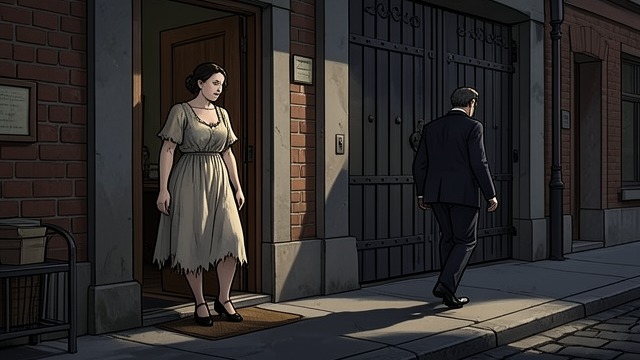
Two Different Outcomes
Anna is acquitted
The court finds insufficient proof against her and releases her. Her liberty is restored, but she remains socially vulnerable.
Staines is sentenced
He receives nine months’ labour for admitted offences. Carver dies during transport, leaving the larger conflict without a final judicial account.
March 1866
Morning of 27 April 1866
Morning of 27 April 1866
Afternoon of 27 April 1866
27 April 1866, after recess
