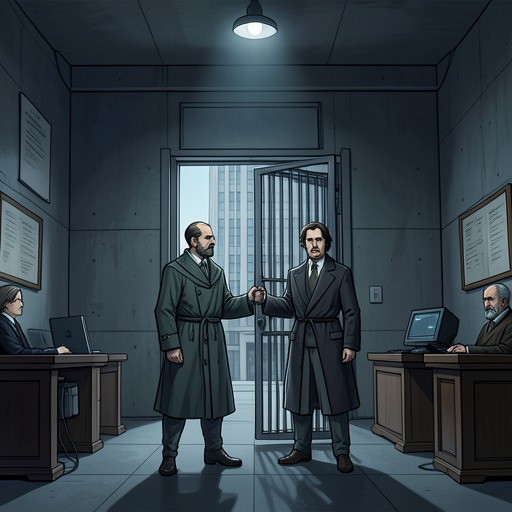
Anna Wetherell's twelve-hour memory gap
The LuminariesAnna Wetherell’s twelve-hour memory gap is the unresolved absence at the centre of the account of her January 14 collapse and arrest. Unable to remember the hours before she was found insensible, she could not explain what had happened to her—or how gold came to be concealed in her clothing. The gap left others to decide what her silence meant, while its cause remained unknown.
The missing interval
Anna had no memory of the twelve hours before her arrest and woke in gaol confused about what had occurred. She reasonably assumed that the gold she discovered in her orange silk gown had only recently been placed there. Nothing in the evidence establishes who took those missing hours from her or what happened during them; Anna herself had no way to supply an account.
The uncertainty also affected how others interpreted her knowledge of the dresses. Walter Moody considered whether Anna might have been unaware of the gold sewn into them. Her opium use might have made her less likely to notice their added weight, while her previous acquaintance with Lydia Wells raised the possibility that she recognized the gowns. These possibilities remain conjectures, not a resolution of the gap.
The account others accepted
Aubert Gascoigne knew Anna could not explain the missing hours. Until a better explanation emerged, he considered it prudent not to draw attention to the mysteries of that night. In speaking with other men, and later with Lydia, he maintained the official account: Anna had attempted to take her life and was found insensible by the roadside.
Gascoigne’s discretion extended beyond the version of events he repeated. He did not betray Anna’s confidence to Lydia and withheld the fact that gold had been found in Anna’s orange gown. He kept it wrapped in a flour sack beneath his bed, an act that protected Anna while the circumstances of her collapse remained unclear.
The gap and the gold
When Anna woke in gaol, she found the gold in the gown but had no memory of the preceding hours to explain its presence. She asked Gascoigne for help, and together they removed the metal and hid it in the flour sack under his bed. The gap thus left her unable to distinguish between gold that had long been concealed in her clothing and gold newly planted there; her assumption reflected the evidence available to her at the time, not a confirmed account of what had happened.
The narrative preserves that uncertainty rather than filling it with a definitive explanation. The missing interval is both a limit on Anna’s own knowledge and a source of competing interpretations by those around her. Its importance lies in the practical consequences: Gascoigne chose to protect her and keep the gold secret, while Anna had to act without knowing what had happened during the hours she could not remember.