
The Nature of Obedience
The Magician's NephewThis flow explores the difference between obedience that protects others and obedience demanded for selfish power.
increasing Bearing strength in each event
 decreasing
Bearing strength in each eventdecreasingAndrew Claims Exemption

Andrew Claims Exemption
Rules for other people
Andrew says promises and ordinary rules apply to children, servants, and women, but not to exceptional thinkers. He presents privilege as the cost of a superior destiny.
A self-serving principle
Digory sees that the speech permits Andrew to pursue whatever he wants. The scene establishes the difference between genuine wisdom and a claim to exemption from accountability.
Polly’s Refusal

Polly’s Refusal
Caution voiced
Polly rejects the invitation to strike the bell because she does not want danger. Her refusal respects the warning even though the result of obedience remains unknown.
A boundary violated
Digory ignores her and rings it anyway. The episode shows that curiosity does not grant authority over another person’s consent.
Jadis Claims Royal Privilege
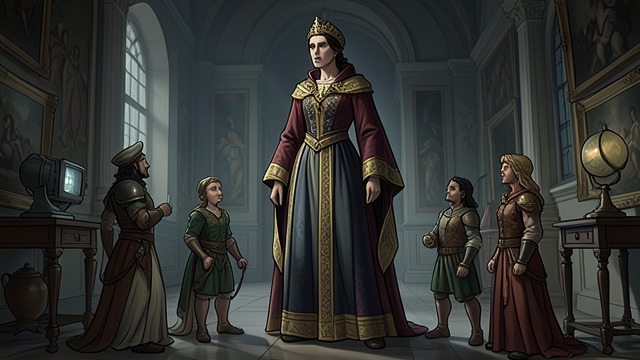
Jadis Claims Royal Privilege
Power without accountability
Jadis argues that what is wrong for ordinary people may be permissible for a queen. She treats subjects as instruments of state rather than persons.
The claim exposed
Her justification echoes Andrew’s language, although her actions are far more destructive. The parallel reveals how claims of exceptional status can normalize cruelty.
A Promise Kept Under Pressure

A Promise Kept Under Pressure
A competing appeal
Jadis urges Digory to break his promise to Aslan in order to help Mabel. The choice is difficult because the promised reward is immediate and deeply personal.
Commitment tested
Digory refuses because he believes Mabel would oppose stealing and broken promises. Obedience here is not submission to force, but fidelity to principles he respects.
The Rings Buried
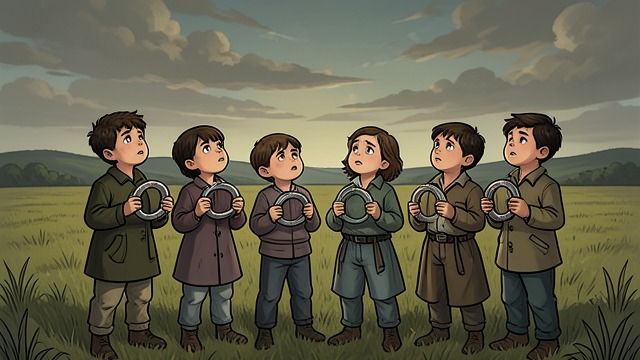
The Rings Buried
A final instruction
Aslan commands the children to remove and bury Andrew’s rings. They obey because the rings could enable further harm if treated as harmless curiosities.
Responsible limits
Their decision gives obedience a protective meaning absent from Andrew’s experiments or Jadis’s demands. The children accept a limit on their own exploration to protect other people.
during Andrew’s explanation of the box
as Digory reaches for the bell in Charn
during her account of Charn’s destruction
outside the mountain garden
after the children return from Narnia
