
A Story of Interrupted Speech
The Man Who LaughsSilence, performance, and failed testimony shape the novel’s repeated struggle to make suffering audible to those with power.
increasing Bearing strength in each event
 decreasing
Bearing strength in each eventdecreasingThe Child Cannot Explain
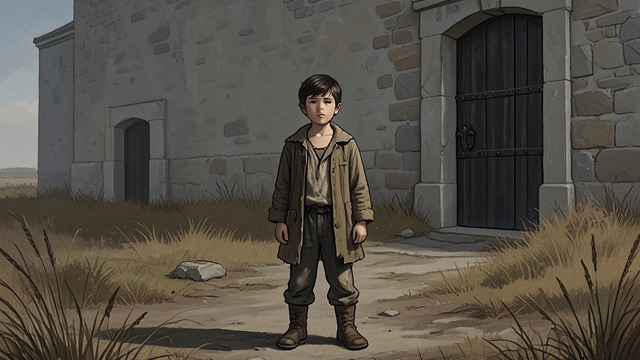
The Child Cannot Explain
Speech without a listener
Gwynplaine is left without the knowledge or language to explain his situation.
The men who abandon him offer no farewell.
His first isolation is both physical and communicative.
Silence imposed from outside
The child does not know his location or his past.
His inability to tell his story makes him vulnerable.
The novel begins its larger concern with voices denied recognition.
A Face That Speaks Wrongly
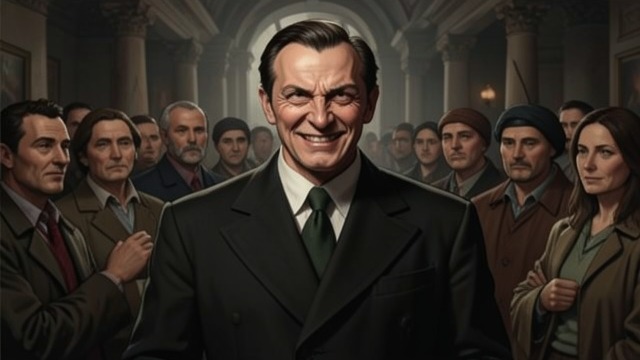
A Face That Speaks Wrongly
Expression contradicts feeling
Gwynplaine’s face appears to laugh regardless of his inward state.
His audience reads the expression rather than his words.
His body becomes an unreliable public narrator.
The actor heard as spectacle
Ursus can imitate a crowd, but cannot change what its audience perceives.
Gwynplaine’s performance brings attention without understanding.
The mask makes communication structurally difficult.
The Doctor’s Last Message
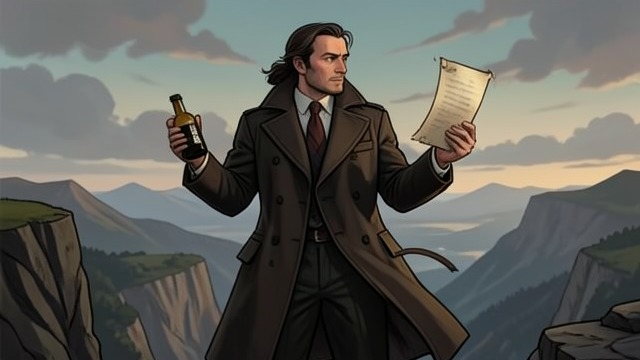
The Doctor’s Last Message
Confession across languages
Gernardus Geestemunde reads the declaration to the doomed crew.
He explains its meaning in several languages before they sign.
The men use their last time to make a record of the crime.
Words entrusted to chance
The confession is sealed in a bottle and cast away.
The authors cannot ensure who will hear it.
The sea becomes the message’s only possible audience.
A Speech Misheard
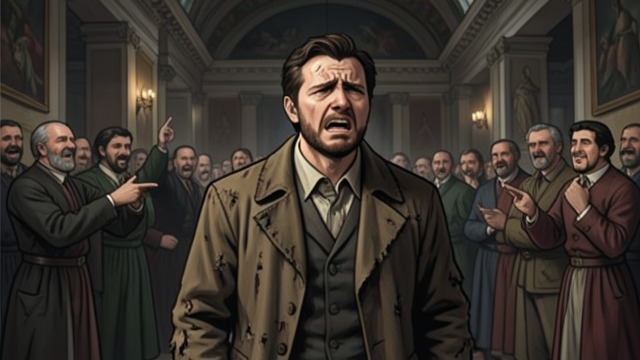
A Speech Misheard
The poor given words
Gwynplaine tries to speak for people who cannot reach the chamber.
He offers concrete reports of suffering and asks for pity.
His title gives him a rare chance to address the powerful.
Listening fails
The lords hear his face as comedy and his speech as performance.
The audience’s laughter overwhelms his argument.
The political failure repeats the child’s earlier experience of not being heard.
A Voice Across the Water
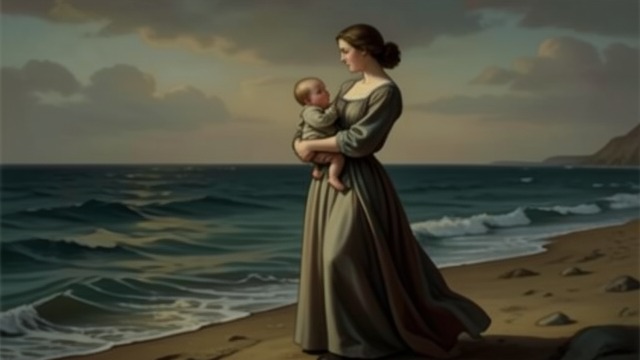
A Voice Across the Water
Dea speaks from absence
Dea tells Ursus that Gwynplaine is gone and that she must follow him.
Gwynplaine hears her words before he is seen.
Her voice bridges the separation that has isolated them.
Recognition restored
He answers her song and she recognizes him by touch.
Speech succeeds where titles, documents, and visual spectacle failed.
The reunion is brief but becomes the novel’s last act of mutual understanding.
When Gwynplaine is abandoned in 1690
During Gwynplaine’s years as a performer
Before the Matutina sinks in 1690
At the House of Lords sitting in 1705
During the Vograat’s final passage down the Thames
