
Gwynplaine’s Three Homes
The Man Who LaughsThe three places Gwynplaine inhabits—the Portland wilderness, the travelling caravan, and the palace—mark changing forms of belonging and exclusion.
increasing Bearing strength in each event
 decreasing
Bearing strength in each eventdecreasingPortland Without Shelter
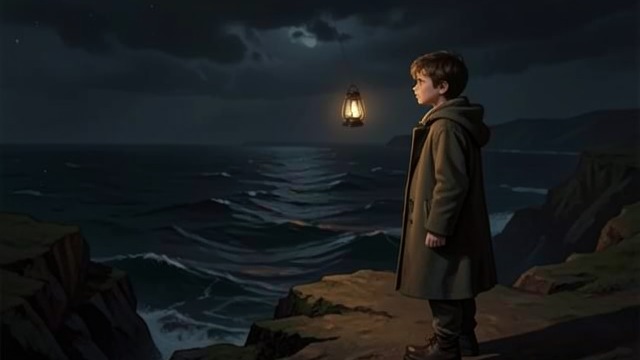
Portland Without Shelter
Exclusion in the open
Gwynplaine is left on the coast without a companion or destination.
The sea and night offer no shelter.
His first home is an exposed patch of ground beneath the sky.
Survival begins alone
He climbs the cliff and walks inland.
The boy’s movement turns abandonment into a struggle rather than an ending.
The wilderness is harsh but does not deliberately refuse him.
The Van Becomes Home
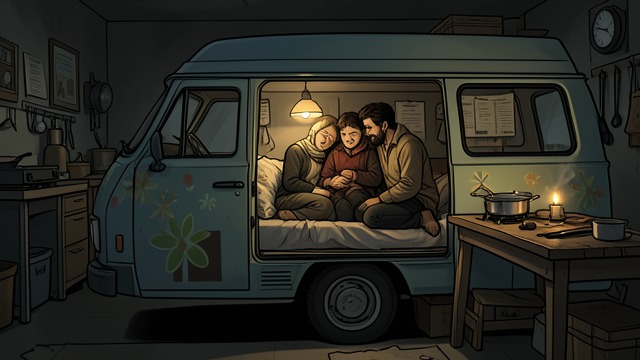
The Van Becomes Home
A mobile refuge
Ursus’s van gives Gwynplaine and Dea warmth and shelter.
Its small interior contains food, beds, and work.
The caravan turns wandering into a shared domestic life.
Belonging without rank
Gwynplaine is accepted as a child, performer, and brother.
The household does not measure him by title or face.
Its modest security depends on care rather than property.
The Palace as Maze
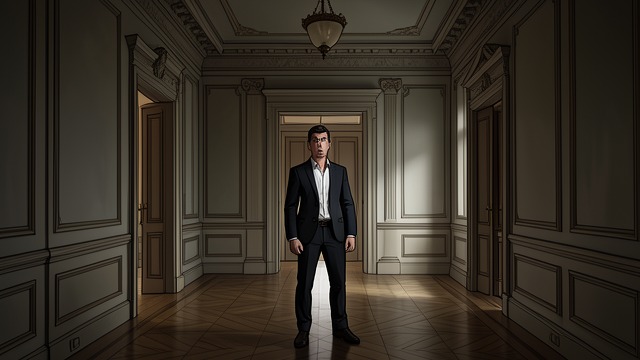
The Palace as Maze
A house claimed by inheritance
Gwynplaine wakes at Corleone Lodge and is told it is his.
Rooms and possessions make his legal restoration tangible.
The wealth feels strange rather than welcoming.
No route back
Hidden passages delay his effort to leave for Dea.
Luxury becomes a physical obstacle between him and home.
The palace resembles a prison disguised as a sanctuary.
The House of Power
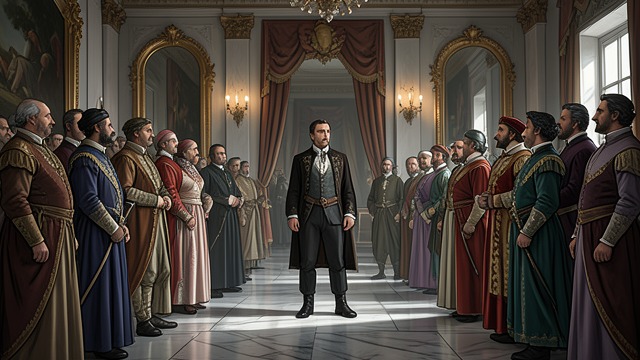
The House of Power
A new dwelling imagined
Gwynplaine sees titles, property, and political authority as his inheritance.
He briefly welcomes the promise of influence and public action.
The palace makes social elevation seem like a new beginning.
A home denied
The court offers no place for his relationship with Dea.
Josiana rejects him when the royal marriage order arrives.
The house belongs to him legally but not emotionally.
Aboard the Vograat
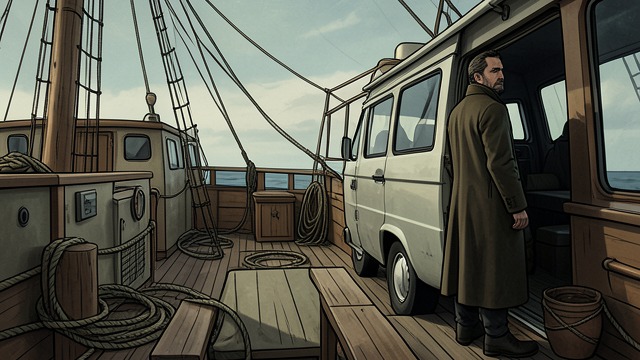
Aboard the Vograat
A home recovered
Gwynplaine finds Ursus, Dea, and Homo aboard the ship.
The familiar van is tied on deck as a remnant of their former life.
The vessel becomes a temporary home for the reunited family.
No lasting refuge
Dea dies and Gwynplaine follows her into the water.
Ursus and Homo remain as the ship sails on.
The novel ends with home reduced to memory and companionship.
January 29, 1690, after the Matutina leaves
From the night of January 30, 1690 onward
The morning after Gwynplaine’s arrest
During Gwynplaine’s first night as a peer
Late on April 30, 1705
