
The Comprachicos’ Crime
The Man Who LaughsThe child-trading network turns human beings into products, while changing law both attacks the trade and creates new abandoned children.
increasing Bearing strength in each event
 decreasing
Bearing strength in each eventdecreasingA Trade in Children
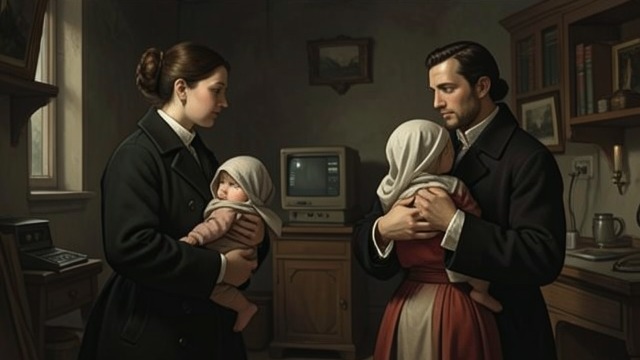
A Trade in Children
Children made into commodities
The Comprachicos buy children and alter them for public amusement.
Their work includes deformity, dwarfing, and other bodily manipulation.
A child’s suffering is treated as a source of profit.
Demand from above
Courts and rulers value performers and human curiosities.
The trade flourishes where powerful people reward degradation.
The novel links spectacle to political and social appetite.
Royal Complicity
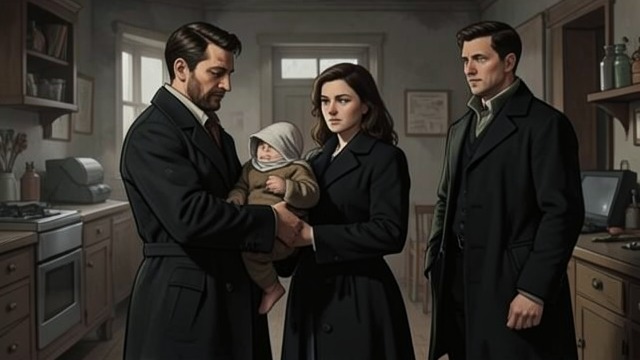
Royal Complicity
A tool of succession
King James II tolerates and uses the Comprachicos.
Gwynplaine is sold and altered because he threatens an inheritance.
State policy makes child abuse useful to royal power.
Secrecy enforced
The perpetrators are expected to keep the transaction quiet.
A royal order and Jeffreys’s signature link the crime to authority.
The child’s face becomes a hidden instrument of political management.
The New Decree
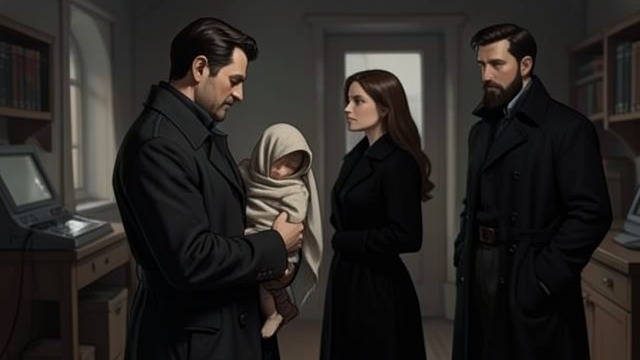
The New Decree
The trade is pursued
William and Mary’s decree targets the Comprachicos.
Severe penalties threaten those found trading in children.
The law seeks to break a network once tolerated by the court.
A cruel consequence
Poor wandering groups fear being accused and abandon children.
A protective measure produces new victims through panic.
The novel distinguishes legal intention from human effect.
Gwynplaine Abandoned

Gwynplaine Abandoned
Flight becomes betrayal
The Comprachicos leave Gwynplaine behind as they escape by sea.
Their action removes the child who could connect the crime to its source.
The perpetrators try to survive by sacrificing their vulnerable victim.
An unintended survival
Gwynplaine escapes the shore and crosses the storm on foot.
His survival prevents the planned erasure from being complete.
The abandoned child becomes the living evidence of the crime.
The Crime Reopened
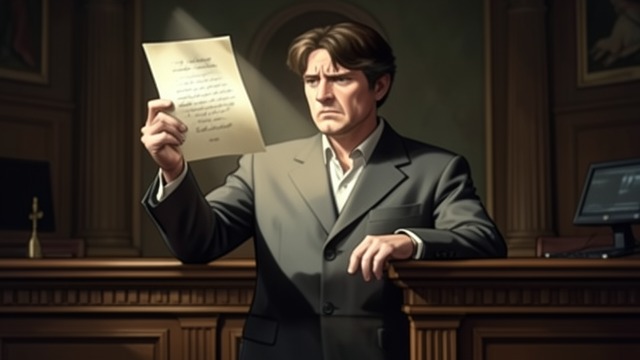
The Crime Reopened
A confession survives
The signed parchment identifies the child, the sale, and the operation.
Hardquanonne’s recognition confirms the testimony.
A crime hidden for decades returns to the courts.
Justice without restoration
Gwynplaine receives his inheritance, but not his lost childhood.
The process also leads to his separation from Ursus and Dea.
Legal correction cannot undo the damage that produced it.
During the seventeenth century
During King James II’s reign
After the Glorious Revolution of 1688
January 29, 1690, on the Portland coast
When the sea-borne testimony is recovered in 1705
