
A History of Involuntary Exile
The Man Who LaughsFrom Lord Clancharlie’s chosen exile to Gwynplaine’s imposed departures, the family story links political displacement with personal loss.
increasing Bearing strength in each event
 decreasing
Bearing strength in each eventdecreasingThe Father Leaves England
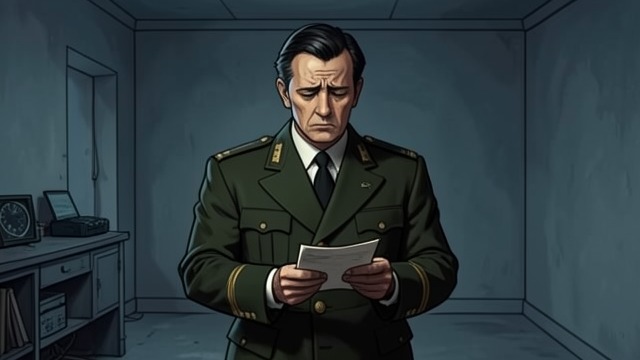
The Father Leaves England
Conscience over return
Linnæus, Lord Clancharlie, refuses to rejoin the restored monarchy.
He settles in exile near Lake Geneva.
His choice preserves a political principle while separating him from home.
An inheritance exposed
His absence leaves the family’s future distant from royal scrutiny.
After his death, his son becomes vulnerable to the Crown.
The father’s exile shapes the child’s fate long after he is gone.
The Son Cast Out
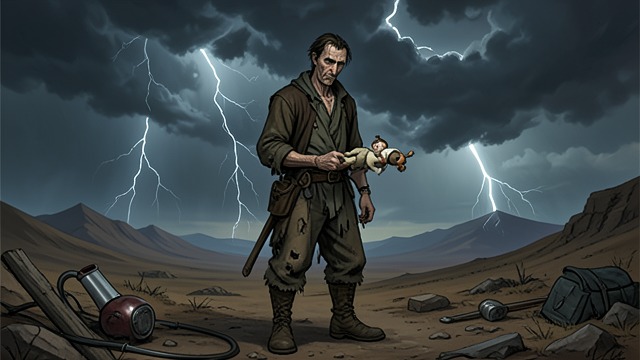
The Son Cast Out
Political exile made bodily
Gwynplaine is sold, mutilated, and abandoned far from his inheritance.
He is driven out of family and society before understanding either.
Exile becomes a daily struggle for shelter and food.
A road taken alone
He crosses the storm and rescues Dea.
The abandoned child builds a new community rather than return to the past.
His survival creates a different kind of home.
A Home Made by Wanderers
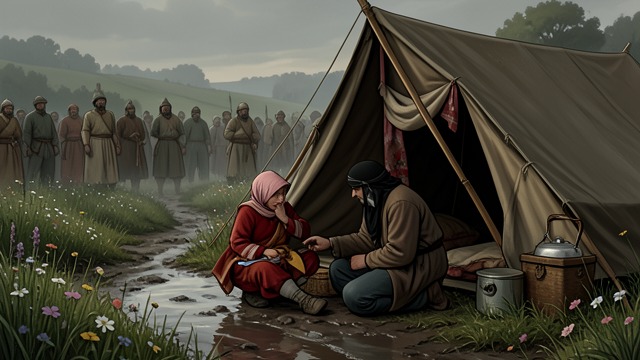
A Home Made by Wanderers
Mobility as a refuge
Ursus’s troupe moves from town to town with its small caravan.
Gwynplaine and Dea grow up among performers and outcasts.
They find belonging without a settled address.
A vulnerable freedom
The troupe earns its living in public spaces.
Its independence lasts only while officials tolerate it.
Wandering protects the family from some constraints but exposes it to others.
Exiled from the Fairground
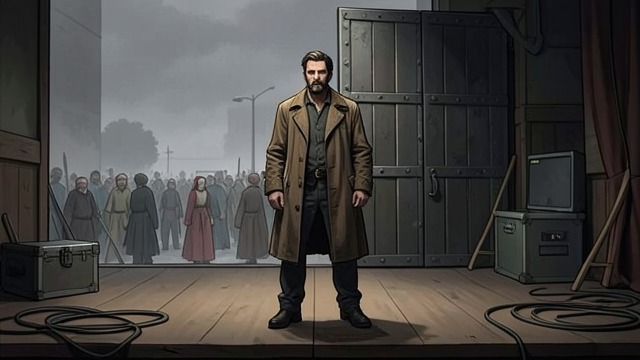
Exiled from the Fairground
State command renewed
Ursus and Homo are ordered to leave England.
The authorities clear the troupe’s performance ground.
The survivors must abandon the place that has become their home.
Displacement compounds loss
Ursus believes Gwynplaine has died and Dea is failing.
Exile forces him to act without hope of reunion.
A political order turns private grief into flight.
The Last Exile
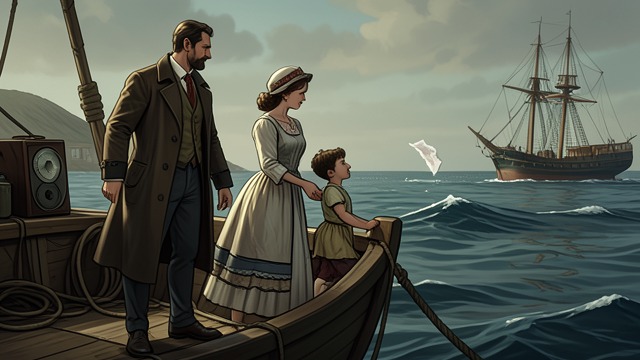
The Last Exile
A brief return
Gwynplaine finds the family aboard the ship leaving London.
His reunion with Dea seems to reverse their separation.
For an instant he belongs again to the household he chose.
Departure without return
Dea dies, and Gwynplaine follows her into the water.
Ursus and Homo continue toward Rotterdam without them.
Exile ends not in settlement but in irreversible absence.
After the Restoration of 1660
January 29, 1690, on the Portland coast
During the years of travel after 1690
The morning after Ursus believes Gwynplaine dead
At the end of the novel, aboard the Vograat
