
Nature and Society
The Man Who LaughsThe contrast between open nature and human institutions shapes the novel’s account of cruelty, refuge, and belonging.
increasing Bearing strength in each event
 decreasing
Bearing strength in each eventdecreasingThe Open Night
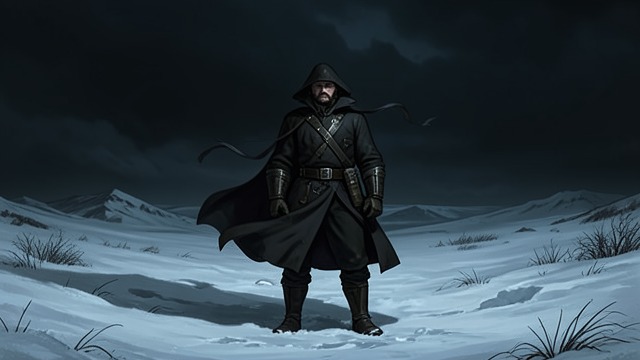
The Open Night
A world without shelter
Gwynplaine stands between sea, darkness, and snow after abandonment.
Nature offers no human refuge or explanation.
The landscape magnifies his exposure and isolation.
Human cruelty revealed
The child understands that people have failed him.
His danger comes from both weather and deliberate abandonment.
The title’s contrast begins with humanity appearing darker than night.
The Town’s Closed Doors
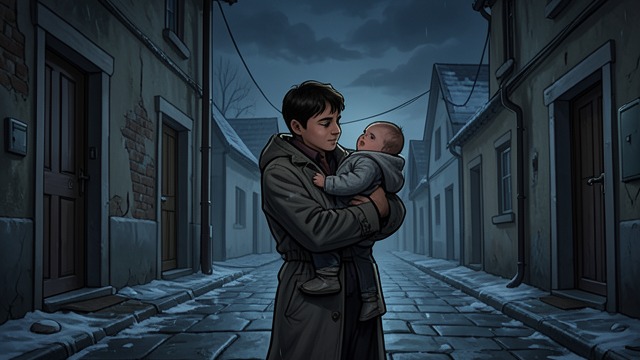
The Town’s Closed Doors
Human settlement refuses help
Gwynplaine knocks at houses while carrying Dea.
The doors remain shut in rich streets and poor lanes alike.
Warm domestic comfort coexists with public indifference.
The children persist
Gwynplaine continues rather than abandon the baby.
Their survival comes from a passing caravan, not civic care.
The episode contrasts social order with practical compassion.
A Natural Household
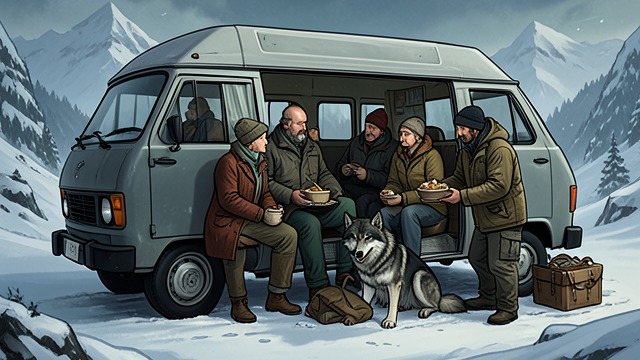
A Natural Household
Care beyond convention
Ursus and Homo help the two children without asking about rank.
Their small household forms through direct acts of shelter and food.
A wolf’s loyalty and a misanthrope’s charity exceed official kindness.
Nature as refuge
The travelling van offers a modest alternative to hostile towns.
Its poverty does not prevent tenderness or mutual dependence.
The chosen family embodies nature’s restorative capacity.
The Court’s Enchanted Prison
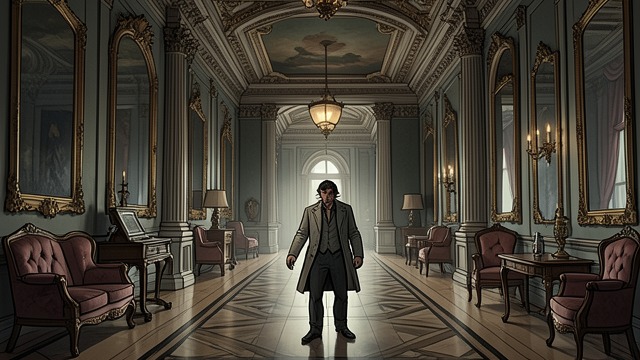
The Court’s Enchanted Prison
Splendour without freedom
Gwynplaine enters a palace of corridors, mirrors, and hidden rooms.
Its luxury disorients and delays his attempt to leave.
The architecture makes privilege resemble confinement.
Society’s false promise
The court offers wealth and marriage but separates him from Dea.
Its beauty hides manipulation and coercive power.
Gwynplaine experiences social elevation as a new kind of trap.
A Voyage Out of Society
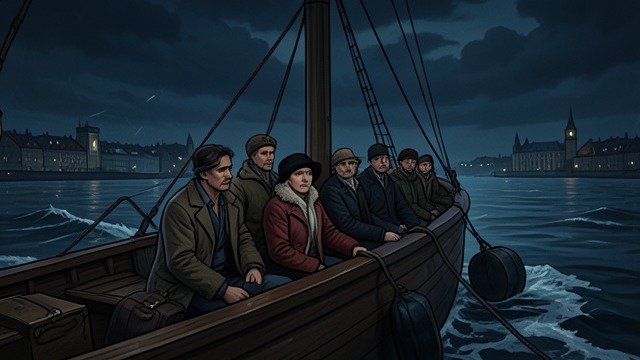
A Voyage Out of Society
Flight from the capital
Ursus takes Dea and Homo away after officials clear the troupe.
The river carries them from the city toward open water.
Exile offers safety but cannot restore their former home.
Nature cannot save all
Gwynplaine rejoins them, but Dea soon dies.
The sea provides passage and shelter without defeating mortality.
The novel distinguishes refuge from complete deliverance.
On the Portland coast, January 29, 1690
During Gwynplaine’s night passage through Weymouth
After Ursus accepts the children into his van
During Gwynplaine’s first hours at Corleone Lodge
On the Vograat as it leaves London
