
Aristocracy’s Double Legacy
The Man Who LaughsThe book presents hereditary peers as both a check on royal power and a privileged caste insulated from popular suffering.
increasing Bearing strength in each event
 decreasing
Bearing strength in each eventdecreasingA Peer Defies Restoration
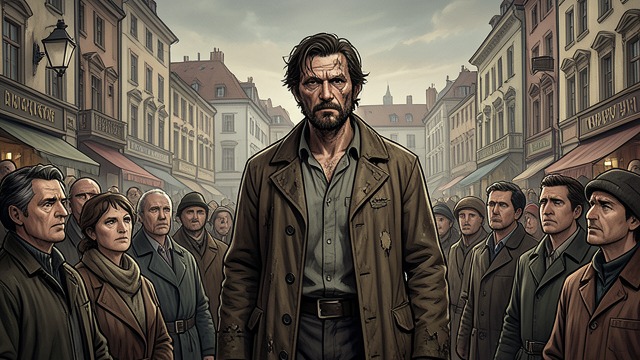
A Peer Defies Restoration
Fidelity to the republic
Linnæus, Lord Clancharlie, refuses to return to the restored House of Lords.
He remains in exile rather than accept the victorious monarchy.
His choice sacrifices comfort, land, and political place.
A public ridicule
Court opinion calls his refusal foolish and self-interested.
The novel presents that judgement as a defense of conformity.
His exile marks conscience against successful power.
The Heir Disinherited
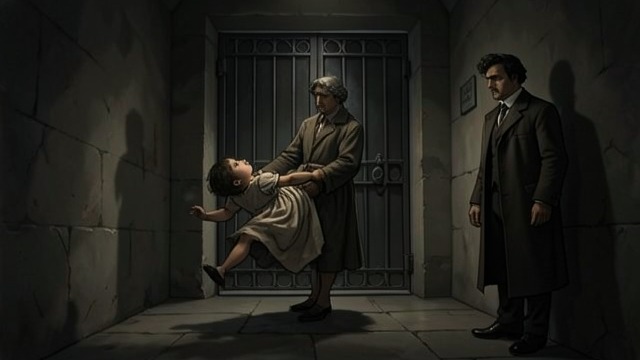
The Heir Disinherited
A succession manipulated
King James II arranges for the infant heir to be sold.
The child’s rights are subordinated to a royal preference for Lord David.
Inheritance proves vulnerable when authority controls the record.
Privilege’s hidden violence
The arrangement appears orderly at court but is sustained by mutilation.
The heir is turned into a performer and removed from his class.
The novel exposes a hierarchy built on suppressed bodies.
The Heir Restored
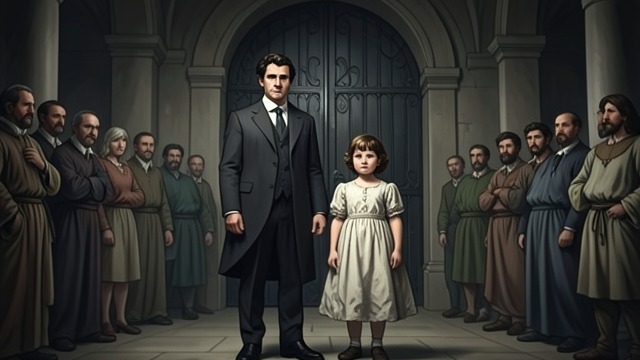
The Heir Restored
Legal privilege reclaimed
The authorities recognize Gwynplaine as a legitimate peer.
His title and wealth return through hereditary law.
The restoration confirms the enduring force of aristocratic descent.
A divided justice
The same legal system had allowed the heir’s original destruction.
The correction restores property without repairing childhood or family life.
Privilege can protect its own claims while ignoring the poor.
The Lords Against the People
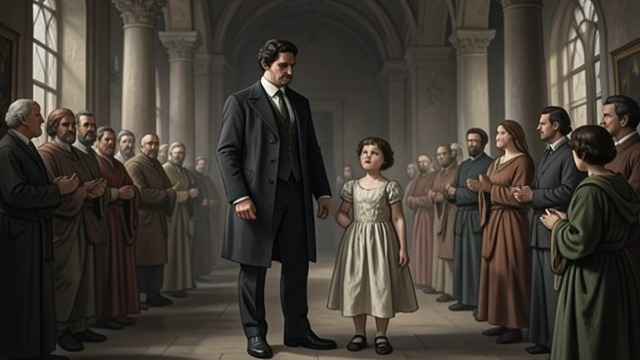
The Lords Against the People
A hierarchy challenged
Gwynplaine accuses the peers of living on others’ deprivation.
His speech makes the poor visible inside the chamber.
The dispute tests whether hereditary power can hear popular suffering.
A caste protects itself
The Lords answer with mockery rather than policy.
Their laughter restores social distance and erases the speaker’s authority.
The scene shows privilege’s immunity from testimony.
A Paradox of Power
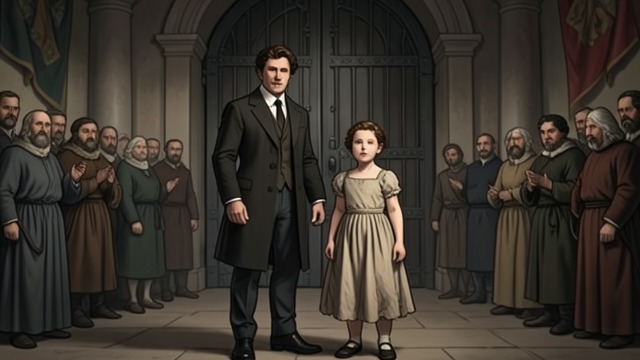
A Paradox of Power
Aristocracy checks monarchy
The Lords have sometimes constrained kings and defended institutional independence.
Their resistance has helped make later political rights possible.
The novel grants the aristocracy a complicated historical role.
A privilege nearing its end
The same class dominates land, law, and parliamentary ceremony.
Its unintended legacy may include liberty for people it excluded.
The institution’s history is both barrier to tyranny and source of inequality.
After the Restoration of 1660
After Lord Clancharlie’s death and before 1690
In the Southwark hearing of 1705
During Gwynplaine’s speech in the House
During the book’s historical reflection on the Lords
