Castle Calshor
The Man Who LaughsCastle Calshor is a garrison on the shore where a soldier’s chance discovery sets in motion the unsealing of a sea-borne message and the revelation of Gwynplaine’s birthright. The castle’s importance is not architectural: it is the first land-based link in a chain that carries a lost document from the tide into the hands of royal and legal authorities.
The Garrison and the Discovery
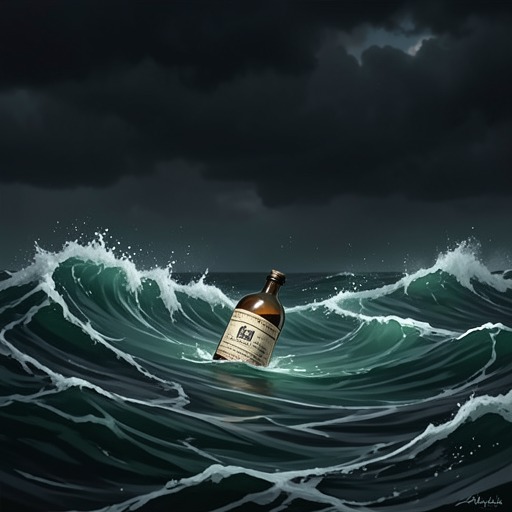
The novel identifies Castle Calshor through its four-gunner garrison. At low water, one of the gunners picks up a wicker-covered flask cast onto the sand. The location is established through this precise act of finding: a message that had travelled at sea reaches the shore, where the soldier recognizes it as something to deliver rather than discard.
The flask is corked with a tarred bung and covered with mould. The soldier takes it to the castle’s colonel, who sends it onward to the High Admiral of England. The narrative gives no further account of the castle’s buildings, grounds, or garrison life. Instead, its brief appearance anchors the discovery in a specific place and begins the flask’s passage through official custody.
From the Shore to the Admiralty
The route from the castle reflects the novel’s account of the jetsam office. Messages cast into the sea could contain a ship’s position, distress, or impending loss; if a floating bottle came ashore, it fell within the jurisdiction of the jetsam officer. In this case, the High Admiral’s office directs the flask to Barkilphedro, who opens it and carries its contents to the queen.
The passage from soldier to colonel to Admiralty changes the flask’s status. It is first a waif found on the sand; under official handling, it becomes evidence to be examined and reported. The novel describes the procedure as regulated: sworn jurors attest to the contents, and Barkilphedro reports the matter to the queen. Castle Calshor therefore marks the point where a private message preserved by the sea enters the machinery of government.
The Document and Its Consequences
The flask contains a declaration made aboard the Matutina, a Biscay hooker from the Gulf de Pasages. The document states that the ship’s skipper had been swept away and that the two surviving crew members had signed it. On its reverse is a note explaining that the declaration was written on the back of a royal order given as a receipt when the crew bought a child. The revealed order bears the words Jussu regis and the signature Jeffreys.
The physical flask helps connect that declaration to the name of Hardquanonne: his name is traced in a line of red reed woven between the wicker. During the later confrontation, the recovered evidence identifies Gwynplaine as the child whose sale, disfigurement, and abandonment the document records. Barkilphedro tells him that the formalities have been completed and that he is a peer with an annual income of £40,000, as well as the intended husband of a duchess. The discovery that began at Castle Calshor thus leads to a sudden reversal of Gwynplaine’s identity and social position.
Narrative Significance
Castle Calshor functions as the threshold between the sea’s uncertain custody and the state’s official record. The flask has survived the journey from a doomed ship, but its contents can alter a life only after someone finds it, carries it to the colonel, and sends it through the proper offices. The location’s narrative force lies in this conversion: chance arrival at the shore becomes documented evidence, and documented evidence becomes the basis for a new inheritance.