Divine providence and innocent suffering
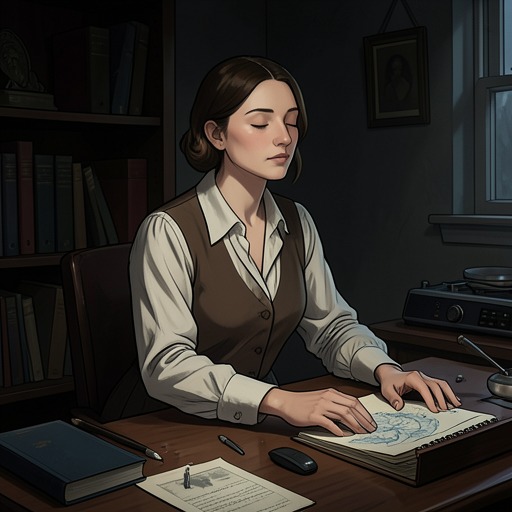
The Man Who LaughsDivine providence and innocent suffering meet in the deathbed scene of Dea, whose imminent death turns a reunion with Gwynplaine into a crisis of faith. Dea interprets her life and death as acts of God, yet cannot reconcile that belief with the apparently undeserved loss; Gwynplaine, by contrast, argues that such a loss would make the very grounds of belief seem treacherous. The scene gives no explanation that resolves their conflict between providence and suffering.
The Crisis of Providence
Gwynplaine’s first response to Dea’s decline is to insist that her death cannot be real. He commands her to live and declares that God cannot be “ferociously cruel” enough to give her to him and take her away in the same moment. His protest expands from a plea for one life into a challenge to the meaning of creation: if the reunion is followed immediately by separation, he fears that earth, sky, love, and the human heart may all be snares. Providence, in this speech, is not a consoling explanation but a claim Gwynplaine cannot bear to lose. He treats Dea’s survival as necessary to the trustworthiness of the world.
His anguish also makes the argument intensely personal. He calls Dea his wife and master, begs her not to leave, and asks what he has done to deserve this suffering. Although she has forgiven him, that forgiveness cannot protect either of them from loss. His reasoning moves from their love to the possibility of divine betrayal: without Dea, he says, the universe would have no meaning. The scene presents his revolt against providence as the speech of someone who has just recovered the person on whom his world depends, only to face losing her again.
Dea's Acceptance and Unanswered Question
Dea answers from within a different, quieter understanding of providence. She tells Gwynplaine that God placed him in her life and is now taking her out of his. She recalls their happiness in the Green Box and their poor caravan, and asks him to remember her voice, their songs, and the days when she knew morning by hearing Gwynplaine and night by dreaming of him. Blindness has not kept her from describing a life full of intimacy and shared meaning; separation, rather than blindness, is the loss she cannot accept without grief.
Yet her acceptance does not amount to an explanation of her suffering. Dea says that she cannot make out why she is dying and observes that she never complained of being blind. She imagines that she and Gwynplaine might have earned their bread together in another land, since they needed so little, but submits that God has willed otherwise. Her trust and her bewilderment remain side by side: she accepts the decision as divine while openly acknowledging that she cannot see its justice or purpose. The text offers no hidden fault to account for her fate and no assurance that innocence will be rewarded with continued life.
Faith, Love, and the Limits of Explanation
The exchange does not settle the dispute by showing one lover to be simply right. Gwynplaine refuses to accept a providence that permits their reunion to be so brief; Dea maintains her belief while asking why she must die. Their differing responses expose the cost of treating suffering as evidence of a legible moral order. Dea’s innocence and her lack of complaint do not make her safe, while Gwynplaine’s appeal to divine goodness cannot change the course of her illness.
At the point when Dea asks to be remembered, the question of providence becomes inseparable from the human obligation that remains when an explanation does not. She asks forgiveness for having been wayward and fears being dead and remembered by no one; her final appeal is for Gwynplaine to carry her memory with him. The scene therefore leaves divine purpose unresolved but makes love concrete in attention, forgiveness, and remembrance. Dea cannot understand why she is taken from life, and Gwynplaine cannot accept the loss as just; what they can affirm is the happiness they shared and the bond that death is about to break.