The forced smile
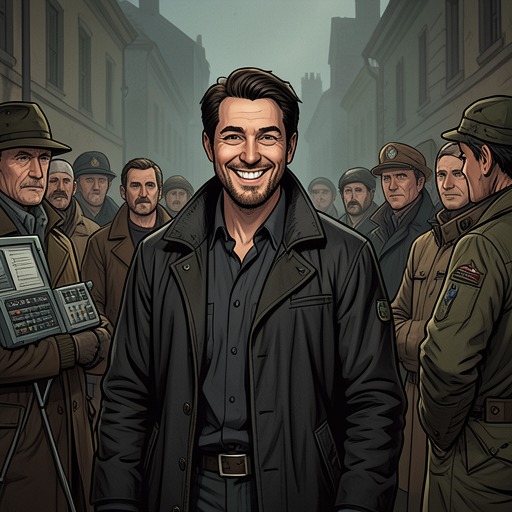
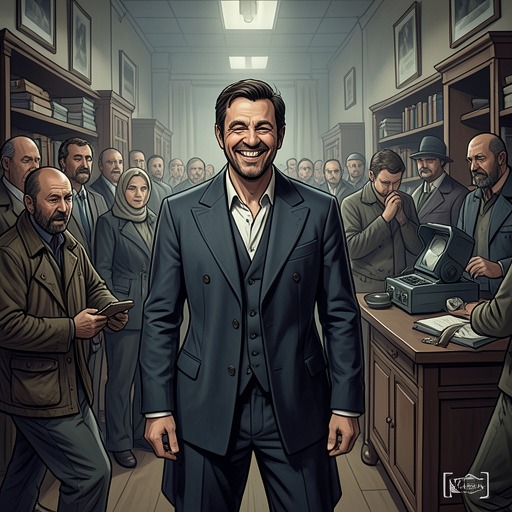
The Man Who LaughsThe forced smile is the permanent grin carved into Gwynplaine’s face when he was a child, a bodily sign that makes his suffering appear to others as comedy. It is not an expression of his feelings: his face laughs while his thoughts do not. The contrast shapes his public life, turns his appearance into a source of involuntary laughter, and makes his attempt to speak seriously before the lords an especially cruel spectacle.
Discovery and Physical Cause
Ursus first sees Gwynplaine’s face clearly in daylight, after the boy has spent the previous night in the dark interior of the caravan. The difference between the child’s insistence that he is not laughing and the fixed appearance of his face shocks Ursus. He examines him, demands to know who did it, and asks how long the grin has been there. Gwynplaine can identify no cause from memory: he has always been this way.
Ursus recognizes the appearance as the result of a deliberate operation rather than a natural feature. His muttered remark that such work should be out of date leads him to consult a folio book he had placed over the chest. Under the entry De Denasatis, the text describes a mouth split as far as the ears, exposed gums, and a mutilated nose, leaving its subject to wear a mask and laugh forever. The book gives Ursus a way to name what he sees, but Gwynplaine himself has no recollection of the violence. The gap between a remembered self and an altered face is therefore built into the grin from the outset.
The narrative presents the operation as probably performed in infancy: Gwynplaine has no memory of it, and the account suggests that such surgical alteration could only have been carried out on a very young child. His body, apart from his face, is described as tall, well made, and agile. The smile is not simply one element of a generally deformed appearance; it is the conspicuous alteration that makes his otherwise intact body into an object of public fascination.
A Face That Performs Without Him
As a mountebank, Gwynplaine discovers the extraordinary power of his appearance. People laugh when they see him, including mourners whose solemnity his face breaks and an executioner who comes to watch him. His performance draws crowds at fairs and crossroads, and he quickly acquires renown as a horrible man. Yet this effect belongs to the face, not to an intention to amuse: Gwynplaine does not laugh, even as the people around him do.
The fixed expression also overrides whatever he feels. Astonishment, suffering, anger, and pity all intensify the impression of hilarity; even weeping would appear to be laughter. The face thus gives spectators an emphatic but false account of its bearer. They see an overwhelming comic expression where the person behind it may be experiencing an entirely different emotion. Its apparent permanence makes the mismatch especially difficult to correct: the grin seems petrified, and the crowd responds to what it sees before it can attend to what Gwynplaine says.
The reception is not uncomplicated delight. The audience laughs, then turns away; women in particular shrink from him with horror once the novelty has passed. Gwynplaine is simultaneously a successful attraction and an intolerable sight. That reversal shows how quickly laughter gives way to revulsion when spectators are no longer using his face for amusement. His body is made to furnish entertainment, while his own experience remains inaccessible to the people consuming the spectacle.
Public Spectacle and Political Humiliation
The power of the grin reaches its height during a performance in which a ray of light suddenly falls on Gwynplaine’s face. The crowd erupts in laughter, applause, and stamping feet. Even passers-by outside the theater laugh after hearing the uproar, though they cannot see its cause. The response spreads beyond direct sight of Gwynplaine: the audience’s laughter itself becomes a further attraction. The show brings him immense success among ordinary spectators, while its low admission price keeps fashionable people away.
The same mechanism becomes destructive when Gwynplaine speaks in the House of Lords. As he recalls entering society as an abandoned child and describes the suffering he has witnessed, emotion rises in his throat and turns into an uncontrollable fit of laughter. The assembly had been under a cloud; his involuntary laugh changes its mood to delight. The lords clap, jeer, and address him through the comic identity imposed on his face, treating a peer’s speech as a buffoon’s performance.
The interruption does not mean that Gwynplaine has chosen comedy over testimony. His words appeal to the powerful on behalf of the poor, but his face appears to contradict the seriousness of what he says. He names this terrible division directly: he belongs both among the great by status and among the suffering by experience. The forced smile therefore works as more than a personal misfortune in this scene. It gives the assembly a reason to convert an accusation into entertainment, and it turns a bodily expression he cannot control into a weapon against his voice.
Meaning, Recognition, and the Inner Life
Across these scenes, the grin repeatedly transfers control of Gwynplaine’s expression to its viewers. At the fair, it makes him a celebrated spectacle; before the lords, it helps silence him through ridicule. The same face can elicit laughter and horror, but neither reaction reliably recognizes what he feels. Its fixed comedy exposes how easily an audience mistakes visible appearance for inward consent or happiness—and how readily a crowd can make that mistake serve its own pleasure.
Dea offers a contrasting form of encounter. Blind, she is associated with a voice that seems to come from far away, and her farewell to Gwynplaine turns on their shared life: the Green Box, his songs, their caravan, and the sound of his voice. She calls him beloved and grieves that their reunion has come too late. Her words do not undo the injury or change the face, but they place their bond in a mode of recognition grounded in voice and memory rather than the spectacle that governs the crowd’s response. The forced smile remains both the mark of violence done to Gwynplaine and the recurring image of a society that laughs at visible suffering instead of listening to it.