Ursus—Dea
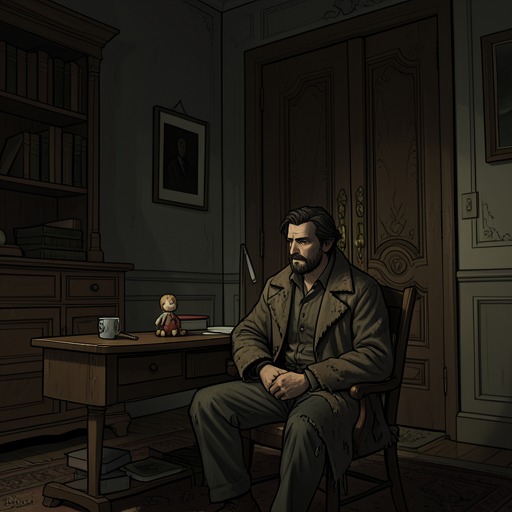
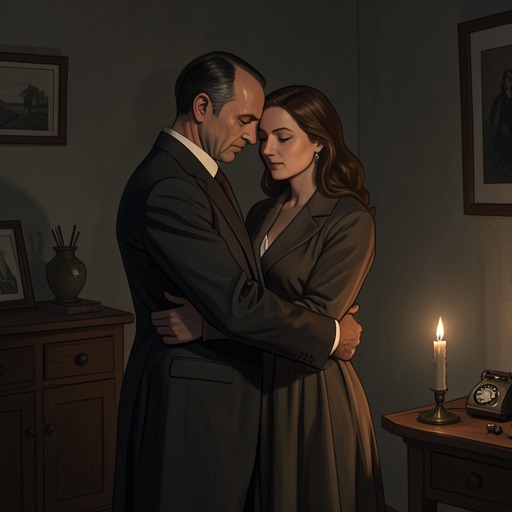
The Man Who LaughsUrsus—Dea is a foster-parent bond built through years of shared life and practical care. Ursus took Dea in as a child and raised her alongside Gwynplaine; when imprisonment separated the young couple, he tried to protect Dea from the shock of Gwynplaine’s absence. The relationship is not presented as untroubled tenderness: in a private outburst, Ursus resents the burdens he says he accepted and speaks harshly of both foundlings. Yet his subsequent actions show him taking responsibility for Dea’s immediate welfare and emotional security.
A Foundling Taken into Ursus’s Care
Ursus recalls picking up Dea and Gwynplaine when they were little, brooding over them as they grew and drawing them along with his harness. His words come in a moment of anger after Gwynplaine has been taken away, and he complains that caring for the children deprived him of ease. He also mocks their attachment to one another. This bitter account nevertheless establishes the duration and substance of the bond: Dea was not a passing dependent, but one of the children Ursus had taken into his household and helped bring up.
Dea’s blindness makes her dependence on the people around her especially consequential in these scenes. Ursus knows that Gwynplaine is central to her sense of connection with the world. When he imagines that she can no longer see Gwynplaine, he predicts that she will feel she has no purpose left. His remark is part of the same resentful monologue, but it recognizes how deeply her life is joined to Gwynplaine’s and foreshadows the urgency with which Ursus tries to keep her from learning that he is gone.
Care in Ordinary Gestures
Ursus’s guardianship appears in small acts as well as crisis. He lights the lamp in the Green Box and leans over Dea, concerned that she may catch cold. The scene places practical attention to her comfort within the routines of the troupe: Fibi is told to dress Dea, while Ursus manages what happens around her. His care is expressed through vigilance and instruction, not merely through a declaration of affection.
The Phantom Performance
When Gwynplaine is absent, Ursus stages a performance designed to make Dea believe that he is still there. He keeps up the illusion from behind the curtain while Fibi dresses Dea and Vinos takes up the tambourine. Ursus describes the stratagem to Homo afterward: he needed to gain time, thought he had succeeded, and believed Dea was convinced that Gwynplaine was present. He hopes Gwynplaine may return the next day and says there is no need to tell Dea everything at once. The elaborate deception reveals both the fragility of her situation and Ursus’s attempt to manage it without immediately destroying her hope.
Resentment and Responsibility
Ursus’s private bitterness complicates his role as Dea’s protector. After Gwynplaine’s arrest, he calls the imprisonment fortunate for himself, regrets having taken in the children, and imagines Dea’s death as the consequence of losing Gwynplaine. These are not acts of care; they expose the strain and resentment that surface when the household is threatened. But they stand in sharp contrast to his later efforts to preserve the appearance of Gwynplaine’s presence and to keep Dea from learning the truth prematurely. The relationship is therefore defined by imperfect, sometimes contradictory guardianship: Ursus may complain of the burden, yet he remains the person arranging the scene around Dea and trying to keep her hope alive.