
The Political Weight of Two Wars
The Master Butchers Singing ClubThe novel connects two world wars to family separation, civilian suffering, and identities shaped by events beyond individual control.
increasing Bearing strength in each event
 decreasing
Bearing strength in each eventdecreasingThe First War Ends
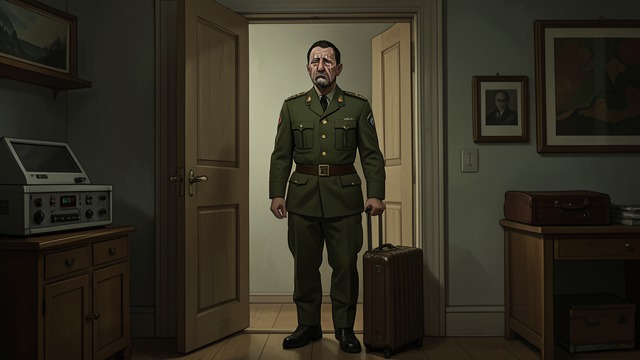
A Soldier Returns
Defeat follows combat
Fidelis returns to Ludwigsruhe after the armistice. He carries the memory of killing, the loss of Johannes, and the exhaustion of a defeated country.
A private life begins
He delivers bad news to Eva and chooses to marry her. Intimate responsibility starts before the larger damage of war has passed.
The Family Splits Across Borders
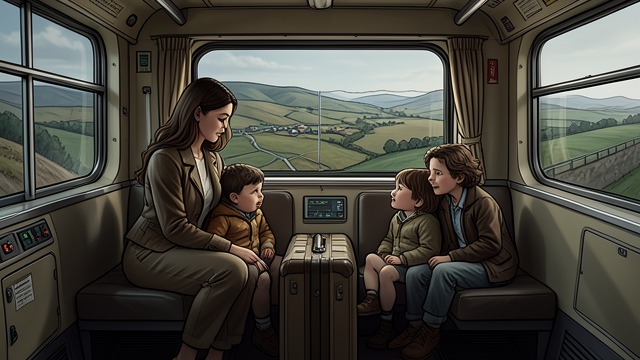
A Decision with Later Costs
Children sent abroad
Tante takes the twins to Germany, intending to raise them with family. What seems like a practical solution becomes the beginning of a deep division.
History closes in
The boys grow up on the opposite side of a political conflict from their American-born brothers. Adult decisions become part of the war’s consequences.
War Claims the Sons
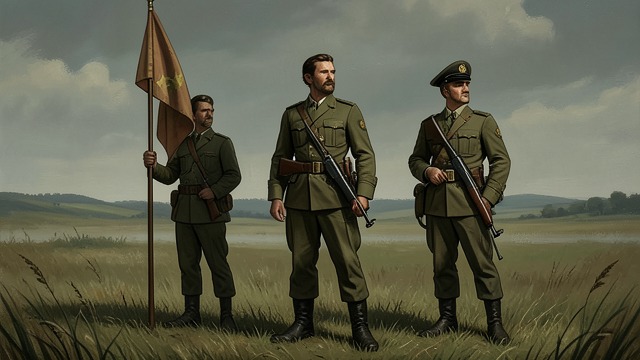
Opposing Uniforms
Different paths into service
Franz serves as an American pilot, Markus joins the United States Army, and the twins are drawn into Nazi Germany’s military system.
Family bonds tested
Emil dies, Erich is captured, and Franz is gravely injured. The war’s consequences reach the family through distinct but connected losses.
The Atomic Bomb Reaches Argus
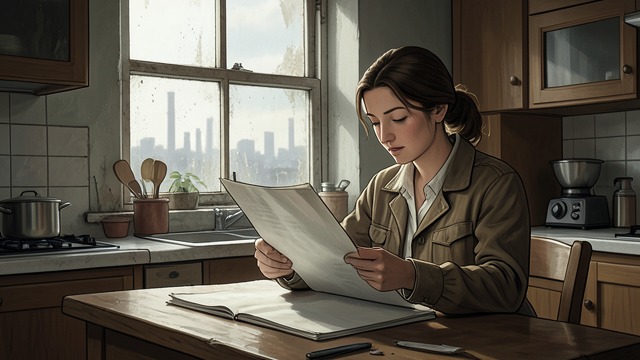
News at the Kitchen Table
A new scale of destruction
Delphine reads the newspaper report of the atomic bombing alongside stories about domestic inventions and local deaths. The contrast makes technological progress morally unstable.
The family listens
Fidelis asks her to read everything. When he says the war is over, relief arrives amid fear about what the new weapon means.
A Memorial in Ludwigsruhe
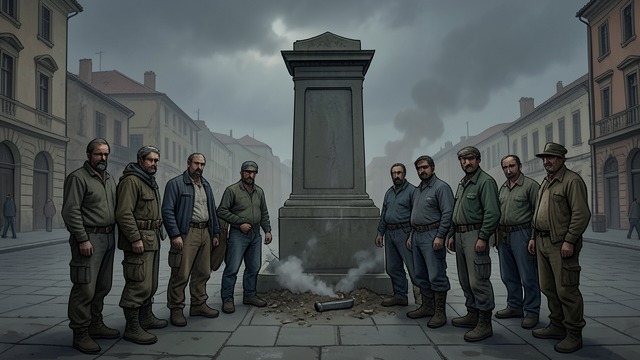
Singing Among the War Dead
A public commemoration
Fidelis joins fellow butchers to sing at a memorial unveiling in his hometown. The ceremony brings public remembrance into contact with private trauma.
The past remains embodied
Delphine imagines smoke and ash rising from the singers as they perform. The vision makes clear that surviving and commemorating do not erase what war has done.
November 1918
The 1930s
World War II
1945
1954
