Bethphage
The Master and MargaritaBethphage is a small village near Jerusalem, mentioned in the novel as a place where Yeshua Ha-Nozri and his disciple Matthew Levi stayed shortly before the crucifixion. It is the site of a crucial encounter and a fateful illness that shaped the tragedy of the Passion narrative.
Location and Significance
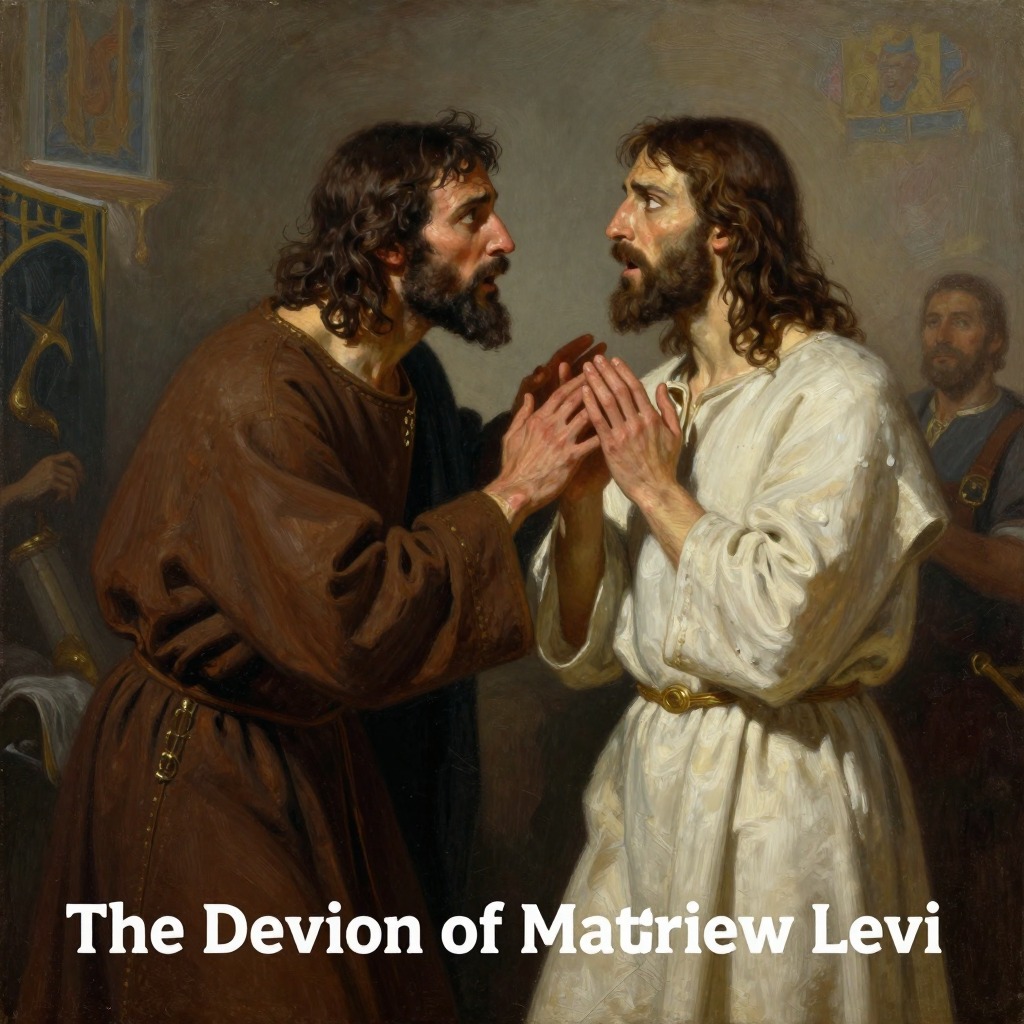
Bethphage is described as a place where a fig grove juts out at an angle, and it was on the road there that Yeshua first met Matthew Levi, a former tax collector. Levi initially treated Yeshua with hostility, even insulting him by calling him a dog, but after listening to Yeshua's teachings, he threw his money down in the road and declared that henceforth money had become hateful to him. From that moment, Levi became Yeshua's constant companion. The village thus marks the beginning of the most important human relationship in Yeshua's life, a bond of loyalty that would be tested to its limits.
Events at Bethphage
Two days before the crucifixion, Yeshua and Levi were in Bethphage, visiting a certain gardener who liked Yeshua's preaching very much. The two visitors spent the whole morning working in the garden, helping their host, and planned to go to Jerusalem towards evening when it cooled off. However, Yeshua began to hurry for some reason, said he had urgent business in the city, and left alone around noontime. This was Matthew Levi's first error: he let Yeshua go alone. Nor was Levi to go to Jerusalem that evening. He was struck by some unexpected and terrible ailment: he began to shake, his whole body was filled with fire, his teeth chattered, and he kept asking to drink all the time. He could not go anywhere. He collapsed on a horse blanket in the gardener's shed and lay there till dawn on Friday, when the illness released him as unexpectedly as it had fallen upon him. Though he was still weak and his legs trembled, he took leave of his host and, oppressed by some foreboding of disaster, went to Jerusalem. There he learned that his foreboding had not deceived him—the disaster had occurred.
Consequences and Aftermath
Levi's illness at Bethphage had catastrophic consequences. Because he was incapacitated, he could not accompany Yeshua into Jerusalem, could not be present at his arrest, and could not intervene during the trial. When he finally reached Jerusalem, he learned that Yeshua had been sentenced to death. He ran alongside the procession to the place of execution, but his attempts to break through the cordon were futile. He had no knife with him to stab Yeshua and end his suffering, and by the time he procured one from a bread shop, the procession was already at the foot of Bald Mountain. He was too late. The illness at Bethphage thus directly led to Levi's inability to save Yeshua from the prolonged agony of crucifixion, a failure that tormented him as he sat on the hill, watching the execution and cursing himself for his helplessness.
Narrative Role and Thematic Significance
Bethphage serves as a narrative hinge, a place of missed opportunity and tragic delay. It is where the disciple's loyalty was rendered powerless by a random, inexplicable illness, highlighting the theme of human frailty and the limits of devotion in the face of overwhelming fate. The village also contrasts with the later scenes of power and authority: the gardener's simple hospitality and the peaceful work in the fields stand in stark opposition to the brutal machinery of Roman justice and the mob's cruelty. Bethphage, in its quiet ordinariness, becomes the site where the possibility of rescue was lost, underscoring the novel's meditation on the contingency of history and the painful gap between intention and outcome.