
Treatment Against the Security State
The Minds of Billy MilliganThis thread follows Milligan’s post-acquittal effort to receive appropriate care, as therapeutic progress collides with public alarm, institutional restrictions, and repeated transfers into maximum security.
increasing Bearing strength in each event
 decreasing
Bearing strength in each eventdecreasingOpen Treatment at Athens

A New Clinical Home
From custody to treatment
After the acquittal, Judge Metcalf committed Milligan to the Athens Mental Health Center under Dr. David Caul. Unlike the prison settings he had known, the admissions ward was open, and patients could move around the building. Caul emphasized that Milligan was not being treated as a criminal there and that recovery required cooperation and a willingness to work toward greater integration.
The change offered Milligan a chance to live without constant confinement, but it did not erase the legal consequences of his earlier convictions or guarantee that the public would accept the arrangement. His treatment began under the scrutiny of a case already defined by fear, disputed memories, and questions about whether a person found not guilty could safely receive ordinary hospital privileges.
Furloughs and Public Alarm

Progress Becomes Controversy
The meaning of freedom
As Milligan improved, Caul gradually permitted him to leave the hospital grounds, first with attendants and later alone under agreed notification procedures. The carefully planned privileges were part of treatment: Milligan had to practice living in the community and learn to tolerate ordinary contact without returning to crisis.
A Columbus Dispatch story portrayed him as a dangerous rapist roaming freely. The coverage triggered political criticism, anxious calls, and demands that the hospital restrict his movements. The public debate recast therapeutic trust as a threat to community safety, and Caul’s clinical decisions became a subject of political scrutiny rather than a matter between doctor and patient.
Ward Five and Broken Trust
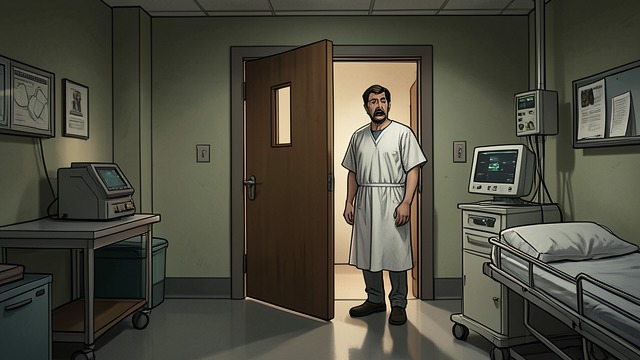
A Sudden Restriction
Crisis after the headlines
Following further public pressure and a series of alarming incidents, Milligan’s privileges were sharply curtailed. When Ragen threatened resistance during an attempted move to a locked ward, staff intervened, and Milligan was transferred to Ward 5. The experience left the identities confused and frightened; the episode also convinced hospital staff that the open unit might not be able to manage him safely.
The transfer weakened the trust that had supported treatment on the open ward. Milligan interpreted the restrictions as punishment for actions he did not remember and feared that he would be sent to Lima. Caul tried to preserve treatment, but the controversy had shifted the balance of power from the therapeutic team toward institutional security and outside authorities.
Transfer to Lima

Security Overrides Treatment
A court-ordered move
After a disputed episode involving patients at Athens, the state sought to transfer Milligan to Lima State Hospital. His attorney argued that he had not received proper notice or an opportunity to contest the move, but the court granted the state’s motion based on concerns about security and the hospital’s ability to contain him.
Milligan was taken to Lima in restraints, away from the clinicians who had worked with him and without time to say goodbye to most of the people on the ward. The move carried a direct clinical cost: the new facility’s doctors rejected the multiple-personality diagnosis and used treatment Milligan and his previous doctors believed was harmful to integration.
The Long Return to Athens

Treatment Resumes
Repeated legal struggle
At Lima, and later the Dayton Forensic Center and the Central Ohio Regional Forensic Unit, Milligan’s attorneys challenged the conditions of confinement and sought a setting able to treat him as a multiple. Court hearings and reviews repeatedly weighed clinical testimony against claims that he remained dangerous. During this period he deteriorated, lost communication among the identities, and described himself as hollow and divided.
A 1982 commitment hearing finally led Judge Flowers to order his return to Athens, where Dr. Caul could resume treatment. The transfer did not restore the earlier fusion or settle the institutional conflict; it reopened the possibility of specialized care. The long route back showed how public fear and security policy could interrupt a treatment plan even after the patient’s diagnosis had been repeatedly affirmed.
December 1978
March–April 1979
April 1979
October 4, 1979
1980–April 15, 1982
