
An Unprecedented Trial
The Minds of Billy MilliganThis thread traces the legal strategy that turns a disputed psychiatric diagnosis into the basis for a stipulated-evidence trial and a landmark insanity acquittal.
increasing Bearing strength in each event
 decreasing
Bearing strength in each eventdecreasingCompetency Becomes the First Question
Before Guilt or Innocence
Can he participate?
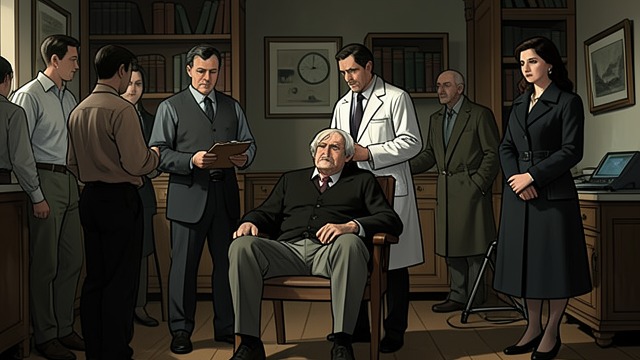
After Milligan’s suicide attempts and psychological testing, Gary Schweickart and Judy Stevenson argued that he could not assist in his defense. The early evaluation described severe disturbance and inability to understand events, prompting court-ordered psychiatric examinations. The prosecution initially regarded the case as strong, with fingerprints, identifications, and property connecting Milligan to the attacks.
The discovery of distinct identities altered the legal problem. The defense was no longer simply contesting evidence; it had to show that Milligan’s mental condition prevented meaningful participation and, ultimately, affected his responsibility at the time of the offenses. The prosecutors’ agreement to observe the psychiatric examination gave the diagnosis a chance to be assessed beyond the defense team alone.
A Hospital Instead of Lima
Finding a Treatment Alternative
A legal opening
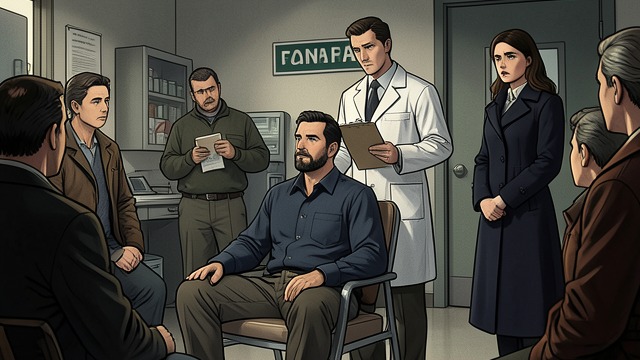
The defense feared that a finding of incompetence would send Milligan to Lima State Hospital, a facility they believed could not safely meet his needs. Gary Schweickart searched the Ohio Criminal Law Handbook and found that the governing statute allowed commitment to a hospital within the court’s jurisdiction, not necessarily Lima.
Schweickart persuaded George Harding Jr. to evaluate Milligan and consider admitting him to Harding Hospital. Harding concluded that Milligan was incompetent to stand trial and accepted him for a court-ordered period of observation and treatment. The legal maneuver mattered because it connected the question of competency with the conditions under which meaningful psychiatric evaluation could occur.
Competency with Fragile Fusion

A New Legal Position
The report to the court
After months of observation and treatment, George Harding Jr. concluded that Milligan had achieved enough fusion to understand the charges and cooperate with counsel. Harding also judged that Milligan had been mentally ill when the crimes occurred and unable to control his conduct. The report separated two questions that had often been conflated: present competency to stand trial and past criminal responsibility.
The defense moved to amend its plea to not guilty by reason of insanity. Milligan’s partial integration was fragile, and the public disclosure of the diagnosis increased the pressure on him. Still, Harding’s report gave the court a detailed clinical basis for proceeding without pretending that Milligan’s current ability to participate meant he had been responsible during the offenses.
A Stipulated Record

Trial Without Live Testimony
A shared evidentiary path
At the trial, the prosecution and defense agreed that the basic facts would be read into the record rather than tested through a conventional witness contest. The defense did not deny that Milligan had committed the charged acts, apart from one count; instead, it relied on the medical evidence about his condition and capacity at the time.
The depositions and psychiatric reports presented a history of childhood abuse, dissociation, amnesia, and the identities’ lack of shared awareness. This unusual arrangement narrowed the judge’s task. He had to decide whether the agreed medical evidence satisfied the legal standard for insanity, not whether the physical evidence identified the defendant as the assailant.
Insanity Acquittal

A Landmark Verdict
Responsibility and commitment
Judge Jay C. Flowers found that the medical evidence showed Milligan had been mentally ill during the offenses, unable to distinguish right from wrong, and unable to refrain from the acts. The court found him not guilty by reason of insanity on the remaining counts and placed him under the probate court’s authority for treatment.
The ruling resolved the immediate prosecution but did not mean unrestricted freedom. Milligan was committed for treatment, and the court had to decide where he should be placed under Ohio’s recently changed law. The acquittal therefore began a new struggle over what treatment, security, and public protection meant for a patient whose case had become a national controversy.
January–March 1978
February–March 1978
September–October 1978
December 4, 1978
December 4, 1978
