Bev Thomas
The Minds of Billy MilliganBev Thomas is a friend of Kathy Milligan who becomes a close companion to Billy after his return home. Independent, candid, and interested in why people behave as they do, she meets Billy initially through Kathy’s invitation. Their relationship develops from a tentative introduction into an unconventional shared household and a life of ordinary, affectionate routines. Bev’s importance lies not in changing Billy through a dramatic intervention, but in making room for him as a friend, a caregiver, and a welcome presence in her family’s daily life.
Background and Introduction
A few weeks before Billy’s parole, Kathy had returned to Lancaster and resumed her former job at Anchor Hocking Glass Corporation. She and Bev worked together in the select-and-pack department, examining glassware as it moved along the belt. The noise of glass-firing burners and air blowers formed the backdrop to their conversations, and the friendship continued after Kathy left to begin college at Ohio University in Athens.
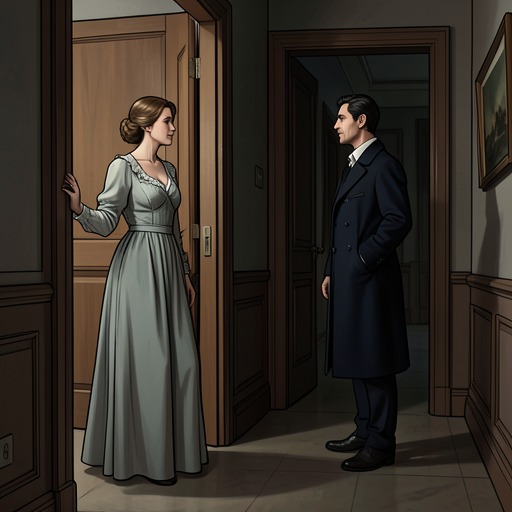
Bev was a young divorcee about Billy’s age, with brownish-blond hair and green eyes. Kathy regarded her as independent, tolerant, and blunt. Bev was interested in psychology and in understanding how people’s backgrounds could lead them to act cruelly. Kathy told her about the violence by Chalmer Milligan and its effects on the family, showed her Billy’s paintings, and explained the crimes that had sent him to prison. Bev said she wanted to meet him.
Meeting Billy
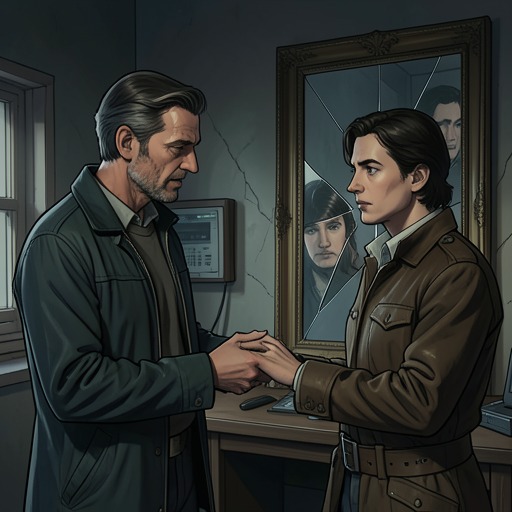
Kathy arranged a drive for the three of them soon after Billy returned home. Bev arrived at the Spring Street home in her white Mercury Montego while Billy was working on his Volkswagen. Kathy introduced them; Billy nodded, then turned back to his work. The meeting began without any sign of immediate intimacy, but Bev’s invitation to spend more time together gave the encounter room to develop.
After they had driven around the area for two hours, Bev invited Billy and Kathy to dinner at her mobile home that evening. Kathy was pleased that Billy wore a new pin-striped suit. Trimmed moustache and brushed-back hair made him look handsome and dignified to her. At the Morrison Trailer Court, Bev introduced him to her children, five-year-old Brian and six-year-old Michelle. Billy promptly focused on them, putting one on each knee, telling jokes, and pretending to be a little child himself. After the children had been fed and put to bed, Bev praised the ease with which they had taken to him. His attention to the children became a defining part of their bond.
Friendship and Shared Home
After an argument at home that lasted more than an hour, Billy gathered his clothes and most of his belongings and left. By then, Bev was living with Steve Love, who had been evicted from his own trailer. Hearing about Billy’s troubles, she invited him to move in with them. Billy checked with his parole officer and received permission, making the arrangement possible within the limits of his parole.
Bev described the three of them as best friends who went places and did things together, despite the assumption that a woman living with two men must have a sexual relationship with one of them. Billy was good with Brian and Michelle: he took them swimming, bought them ice cream, and brought them to the zoo. Bev said he cared for them as if they were his own. He also helped keep the home clean, with one memorable exception: he never did the dishes. These domestic details show the friendship taking shape through repeated acts of care rather than through declarations or conventional couplehood.
The arrangement had its own ambiguities, which Bev and Steve noticed without making them a reason to reject Billy. At times his manner seemed so feminine that they wondered whether he was gay. Bev and Billy sometimes slept in the same bed, but he did not touch her; when she asked about it, he told her he was impotent. Bev said this did not matter to her. Her care for him and her pleasure in their shared life did not depend on sexual intimacy.
Shared Life and Significance
The three friends’ outings ranged from a three-day stay at Burr Oak Lodge, where they camped and spent fifty dollars on junk food, to a nighttime hike through the woods at Clear Creek. During the hike, Billy carried the only flashlight and played at being James Bond as they looked for hidden caches of marijuana. He spoke with a British accent and supplied the Latin names of plants. Bev recalled the excursions as wild and enjoyable, and said that life with Billy and Steve made her feel free and happy.
Bev’s account offers a counterpoint to the institutions that otherwise define much of Billy’s life. In prison and hospital, his movement, belongings, visits, and privileges could be tightly controlled; with Bev, the evidence instead centers on a shared home, trips with children, camping, and an everyday division of domestic life. That contrast should not be mistaken for a cure or a resolution of Billy’s difficulties. It shows something more specific: Bev accepted his companionship without requiring it to fit a conventional romantic role, and welcomed the practical tenderness he showed her children. Their friendship gives Billy a place in ordinary life, while allowing Bev’s own independence and happiness to remain part of the story.