
The Composer’s Silenced Art
The Moon and the SunThis thread follows Marie-Josèphe’s return to composition, the appropriation and criticism of her work, and music’s continuing life beyond the court.
increasing Bearing strength in each event
 decreasing
Bearing strength in each eventdecreasingA Song Recalled
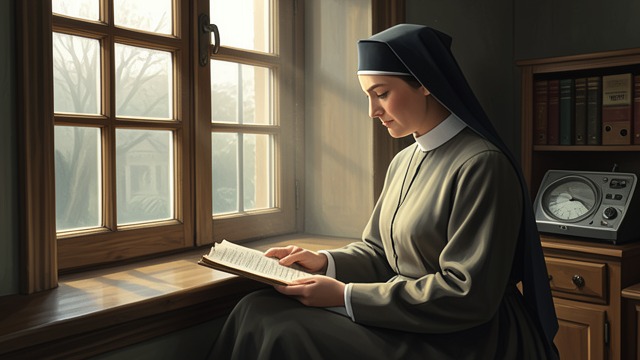
Music Returns
A dormant gift
Years of convent rules have kept Marie-Josèphe from composing. Hearing music at court awakens the songs she has carried privately.
A fragile opportunity
Domenico Scarlatti performs one of her pieces. The performance brings her talent into royal view, but also exposes it to male authority and judgment.
The King’s Commission
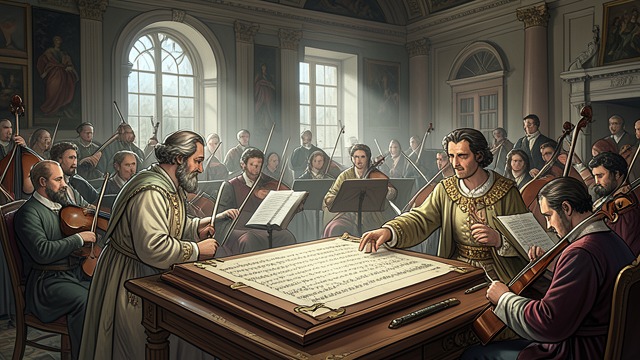
An Official Assignment
Royal favor
Louis XIV commissions a cantata about the sea-monster hunt, partly in memory of Marie-Josèphe’s parents. The task seems to validate her musical ability.
Unequal freedom
Pope Innocent objects, while Yves worries that the commission distracts her from scientific work. The commission is both honor and constraint.
A Collaboration in Secret
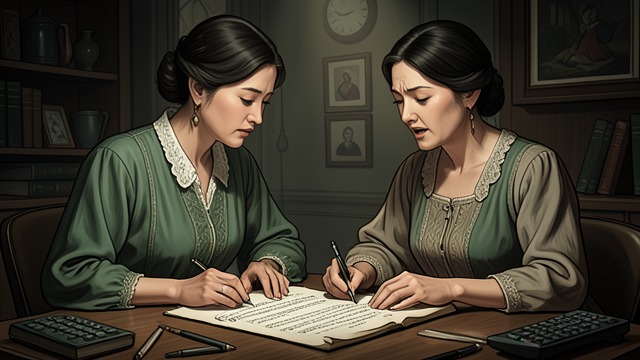
Music from the Sea
Listening and notation
Marie-Josèphe hears Sherzad’s song as story and turns its melodies into a cantata. She tries to preserve the sea woman’s emotional truth in human musical form.
Authorship contested
Her music comes from listening, but others may claim, revise, or dismiss it. Composition becomes another arena where women’s work and the sea people’s voices are vulnerable.
Coupillet’s Rejection
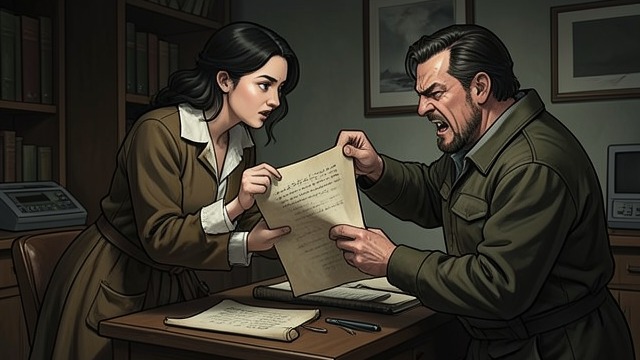
An Amateur Condemned
Public insult
M. Coupillet calls the work incompetent and tries to seize and tear the score. His attack draws on assumptions that women cannot compose seriously.
Refusal
Marie-Josèphe keeps the music and refuses to let him take credit. Her resistance costs her confidence but protects the composition’s connection to Sherzad.
Performance and Banishment
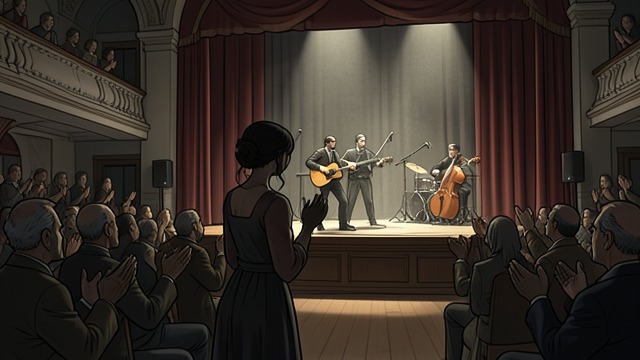
Music Heard, Music Forbidden
Performance
Domenico performs Marie-Josèphe’s cantata during the court ballet. The audience celebrates the piece as royal spectacle, while she knows it tells a different story.
Afterlife
Pope Innocent forbids her music as punishment. The score is later preserved, suggesting that silencing its composer cannot erase the work itself.
The first evening entertainments at Versailles
After the Pope criticizes her first performance
The nights before the Carrousel performance
The day Marie-Josèphe presents her finished score
Carrousel night and the final sentence
