
Humanity and the Monster Label
The Moon and the SunThis thread explores how appearance, power, and self-interest determine who is called human and who is treated as a monster.
increasing Bearing strength in each event
 decreasing
Bearing strength in each eventdecreasingThe Court’s First Gaze
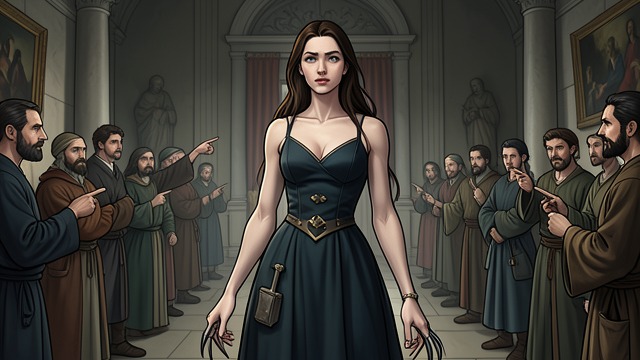
Appearance as Judgment
A spectacle
The court looks at the captive’s hair, teeth, claws, and tails, calling her grotesque. Her beauty and intelligence are excluded from the initial assessment.
A political object
The label “monster” makes royal possession seem ordinary. It hides the fact that the captive’s fear and distress are responses to confinement.
A Body Dissected
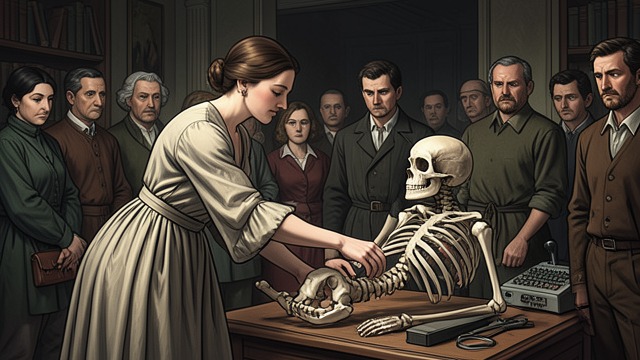
Anatomy Without Recognition
Scientific description
Yves examines the dead sea person’s organs and bones, comparing them with known mammals. Anatomy reveals similarities but does not automatically change the court’s moral judgment.
A contradiction
The scientists can describe the body precisely while overlooking the life and relationships that body belonged to. Knowledge alone does not guarantee recognition.
A Person in the Story
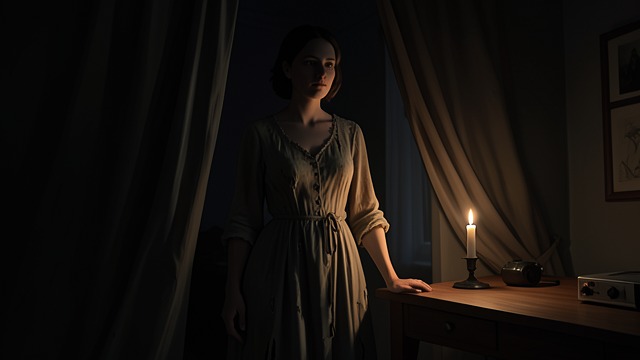
Grief Makes a Claim
A companion remembered
Sherzad tells of love, death, and the stolen ring. Her grief resembles human mourning more clearly than any anatomical comparison can establish kinship.
Resistance to recognition
The court treats her words as performance and her grief as delusion. The struggle concerns whether the powerful will accept evidence they cannot control.
The King’s Human Exception
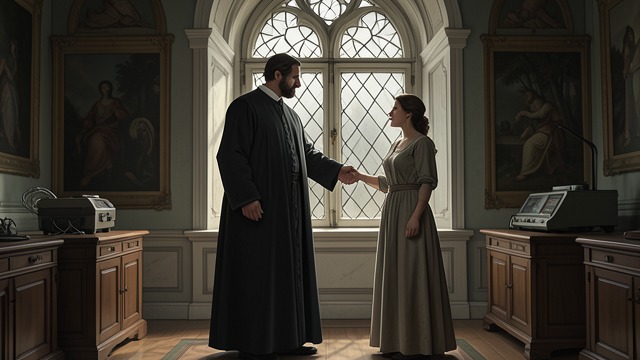
Recognition on Royal Terms
A life spared
Louis XIV spares Sherzad when treasure makes her useful alive. His decision does not fully abandon the category of royal property.
Unequal recognition
The court’s language shifts, but Sherzad’s autonomy remains limited. Humanity becomes visible to power without becoming a guarantee of freedom.
A New Monster at Sea
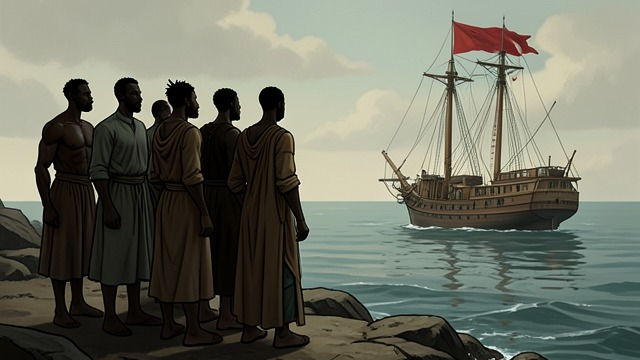
The Label Reversed
Land-dwellers hunted
The sea people sink a privateer and keep its crew from surviving. From their perspective, the armed ship is the threatening creature intruding into their home.
A challenge to the reader
The episode reverses the novel’s familiar roles of hunter and monster. It leaves the moral consequences of violence unresolved rather than making the sea people harmless.
The presentation at Le Havre
The public dissection at Versailles
Sherzad’s testimony before the royal audience
The council after the treasure is recovered
The Caribbean epilogue
