
The Stories of the Sea People
The Moon and the SunThis thread follows the sea woman’s stories from intimate communication to public testimony and finally to deliberate concealment.
increasing Bearing strength in each event
 decreasing
Bearing strength in each eventdecreasingThe First Song
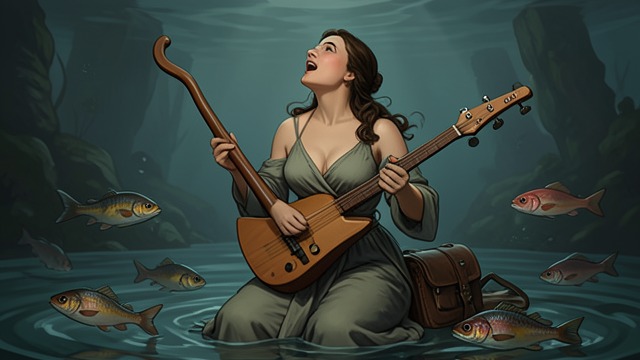
A Language Without Words
A beginning
The sea woman repeats a word for fish, but her fuller communication comes through melody and images. Marie-Josèphe first mistakes this language for animal imitation.
Translation as relationship
Listening carefully turns feeding into exchange. The first song opens a route to knowledge that neither royal spectacle nor dissection could provide.
The Lost City
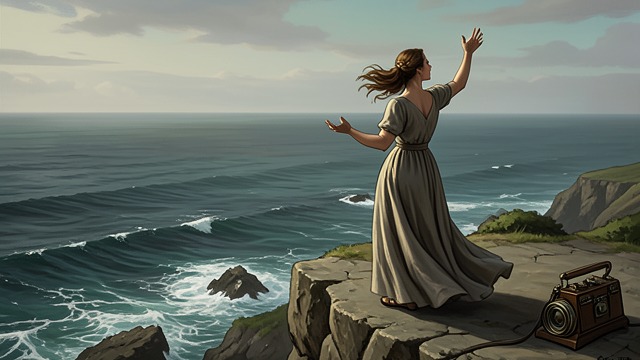
Atlantis Remembered
A shared past
Sherzad sings of an ancient meeting between sea people and the inhabitants of Atlantis. The two peoples exchanged songs and stories as friends.
Disaster
A volcanic eruption destroys the city. The tale presents the sea people not as timeless monsters but as witnesses with history and grief.
The Northmen’s Raids
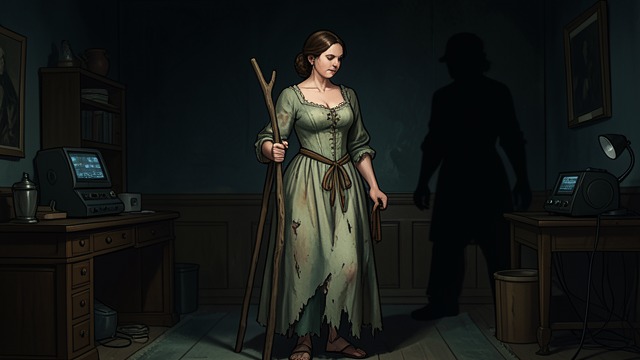
Violence at Sea
Captivity and assault
Sherzad recounts northern raiders capturing sea people, abusing them, and using a captive to guide their ship. The account makes the cost of human curiosity explicit.
A warning inherited
Survivors carry songs of danger to other families. Storytelling becomes a defense system as well as a means of mourning.
The Mating-Haze Massacre

A Celebration Attacked
Vulnerability
Sherzad describes the sea people gathering to mate in sunlight, joyful and unaware of a damaged ship approaching. A Christian cross marks the vessel that enters their gathering.
A taboo born
Explosions kill and injure the sea people. Their later refusal to gather in daylight becomes a survival rule written in collective trauma.
The Record Survives

Stories Hidden, Not Lost
Suppression
Pope Innocent orders written and visual accounts destroyed. Yves carries out the public command while quietly preserving forbidden materials.
Transmission onward
A secret library keeps the sea people’s stories available for a future in which they might be heard. The narrative survives through chosen custodianship.
The first night Marie-Josèphe feeds the captive
The first public sea-woman story
A later story during the public demonstrations
The audience before Pope Innocent during Carrousel week
The epilogue, after the court’s censorship order
