
Turkish Cinema and the Dream of Art
The Museum of InnocenceThis flow traces the ideal of making an art film through censorship, commercial compromise, and the success of Broken Lives.
increasing Bearing strength in each event
 decreasing
Bearing strength in each eventdecreasingThe Art-Film Dream
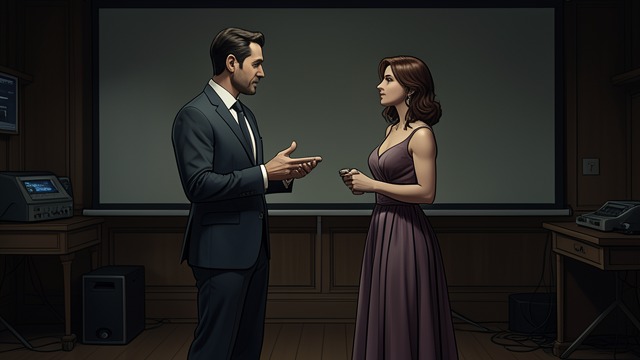
The Art-Film Dream
Feridun’s proposal
Feridun hopes to make a serious film starring Füsun, and Kemal agrees to support the project. The plan promises artistic recognition and a socially acceptable reason for Kemal’s visits.
A shared but unequal dream
Füsun wants to act, Feridun wants to direct, and Kemal wants proximity to her. The same project therefore carries different meanings for each participant.
The Censors’ Power

The Censors’ Power
Permission before production
Feridun must submit the screenplay to the Turkish Board of Censors. The film industry relies on intermediaries who alter scripts to satisfy officials and secure permission.
Art softened into safety
Rewriting removes conflict and sharpness from the project. The process turns the ideal of artistic freedom into a negotiation with state power and commercial survival.
A Script That Stalls
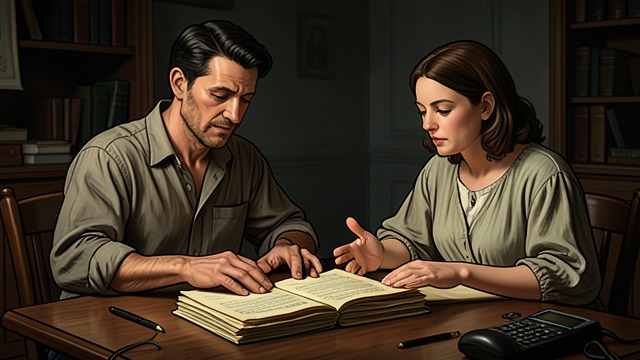
A Script That Stalls
Repeated revisions
Blue Rain is rewritten and polished, but it remains far from production. Kemal praises it to keep Füsun hopeful, while privately doubting its quality.
Time costs a dream
The delay increases Füsun’s frustration and Kemal’s control over her opportunities. The project begins to resemble a promise designed to postpone action.
A Commercial Detour

A Commercial Detour
Another screenplay chosen
Feridun proposes a ready commercial script that cannot offer Füsun the leading role. Kemal agrees to finance it after arguing over the casting and the male lead.
Success without fulfillment
The choice gives Feridun a practical route into production but further separates the film company from Füsun’s ambitions. The industry rewards what can be made, not the art film they imagined.
Broken Lives Reaches Audiences
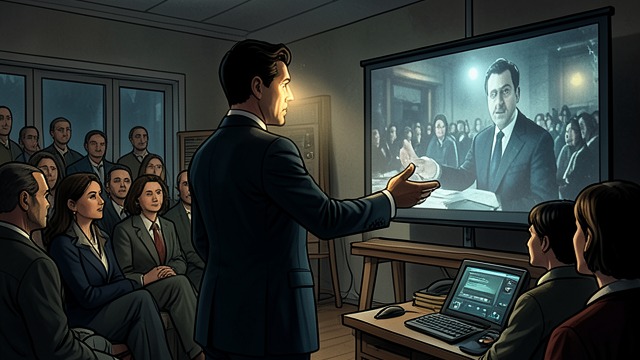
Broken Lives Reaches Audiences
A popular melodrama
Broken Lives becomes a commercial success and brings audiences back to cinemas after years of political violence. Papatya’s performance makes the film’s themes of sexual honor and revenge widely discussed.
Commercial success changes roles
Feridun becomes a successful director and Papatya a star, while Füsun remains outside the production. The outcome sharpens the question of who benefited from the venture.
Summer 1976
Spring 1977
Late 1976–1979
1981
1981–1982
