
Political Violence and Private Refuge
The Museum of InnocenceThis flow traces the public violence of late-1970s Turkey and the way the Keskin household becomes a refuge shaped by curfews and fear.
increasing Bearing strength in each event
 decreasing
Bearing strength in each eventdecreasingViolence Enters the News
Violence Enters the News
A city under pressure
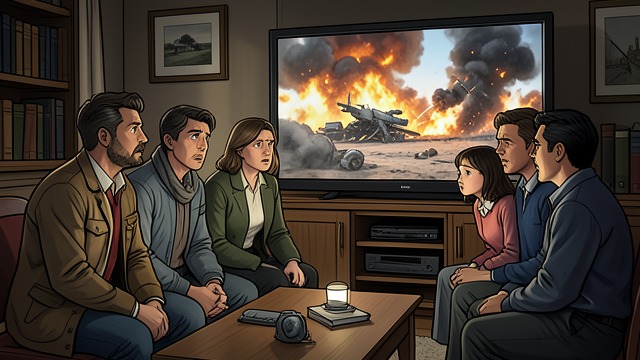
Bombings, assassinations, and armed clashes increasingly dominate the news watched at the Keskin dinner table. The violence reshapes ordinary movement and makes evening life less secure.
A household watches
Kemal, Füsun, and her parents rarely discuss politics at length. Their shared attention to television and small domestic routines becomes a way to endure events beyond their control.
The Bosphorus Fire
The Bosphorus Fire
A disaster across the water
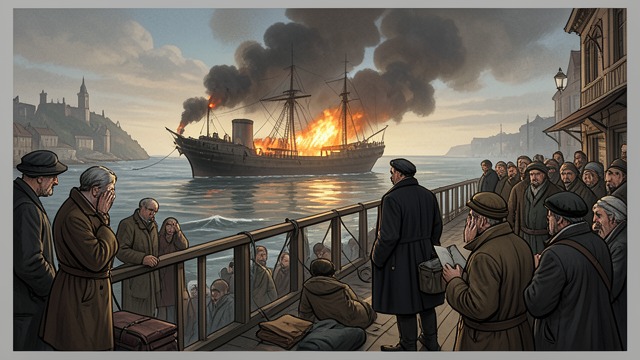
A collision between the Independenta and a Greek ship produces explosions and a huge fire near the Bosphorus. The flames draw residents from across Istanbul into a shared public vigil.
Private pain in a public scene
Kemal sees the disaster as an image of the wider misery surrounding his own life. He hopes that talking about the fire at supper will reconnect him with the Keskin family.
The Coup and Curfew
The Coup and Curfew
Military rule begins
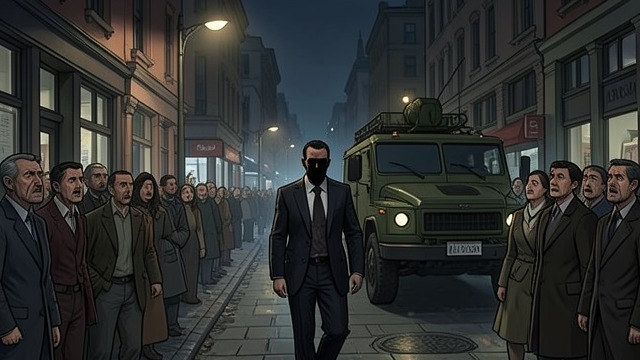
The Turkish military takes power and imposes martial law. Television broadcasts military statements, while streets empty and arrests reshape the city.
Visits constrained
A ten o’clock curfew forces Kemal to leave the Keskin home before he is ready. The state’s control of public time intensifies the pain of his private attachment.
A Grater at a Roadblock
A Grater at a Roadblock
An object mistaken for danger
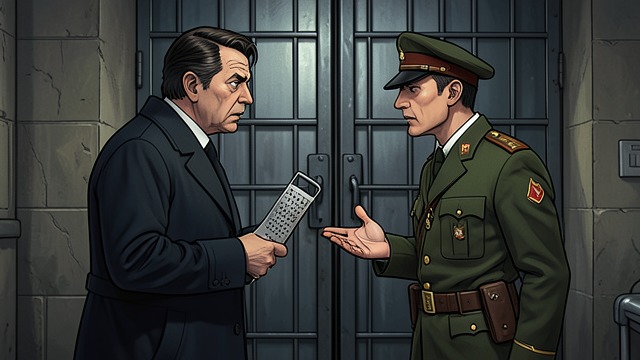
Soldiers stop Kemal and Çetin after curfew and question Kemal about a quince grater he has taken from the Keskin home. His inability to explain his attachment leaves him silent.
Private compulsion exposed
The incident makes Kemal feel that his collecting has separated him from ordinary speech. Çetin explains the object, and Kemal eventually recovers it.
Home as Shelter
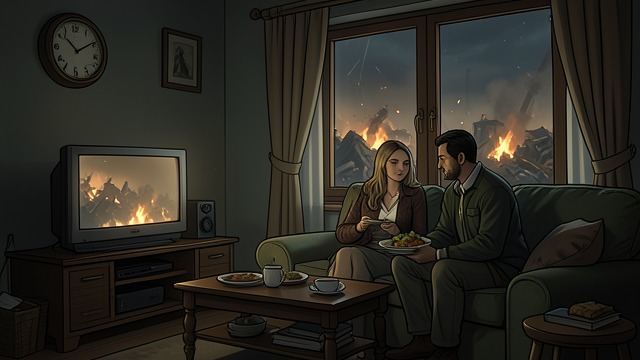
Home as Shelter
A shared interior world
The Keskin home offers a routine of supper, television, and conversation amid street violence. Its old clock and familiar objects seem to hold the outside world at bay.
Safety is temporary
The household cannot stop political change, economic crisis, or curfew. Its refuge is emotional rather than secure, sustained by repetition and the company of others.
1977–1979
November 15, 1979
September 12, 1980 onward
Winter 1980
1980–1983
