
The Museum’s Ethics of Attention
The Museum of InnocenceThis flow traces Kemal’s argument that a museum should honor ordinary lives through careful display rather than impose a grand external history.
increasing Bearing strength in each event
 decreasing
Bearing strength in each eventdecreasingEveryday Life on Display
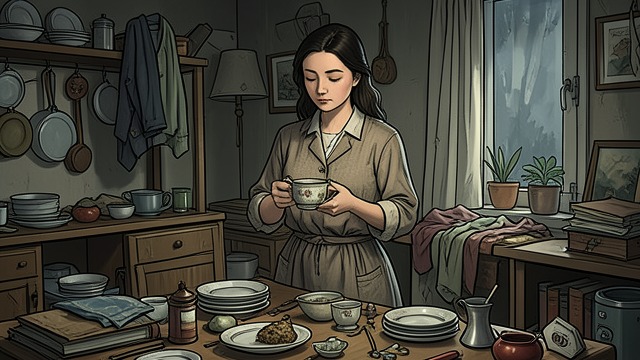
Everyday Life on Display
Ordinary possessions matter
Kemal wants visitors to see household objects, clothes, menus, cigarette stubs, and small gifts rather than only prestigious artworks. These things record the lives people actually lived.
A challenge to elite culture
The museum resists the idea that valuable history belongs only to rulers and collectors of masterpieces. It gives a family’s daily existence the dignity of public attention.
The Guard as Storyteller
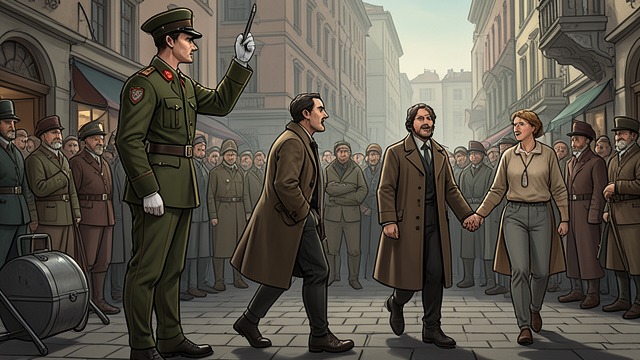
The Guard as Storyteller
Visitors ask questions
Kemal imagines guards who can explain the collection and its history with care. Their work is not limited to protecting objects or controlling visitors.
Reverence without exclusion
He wants the museum to inspire humility and attention while allowing lovers to kiss and visitors to move freely. The institution’s authority comes from its stories, not from forbidding ordinary life.
A View of the Whole
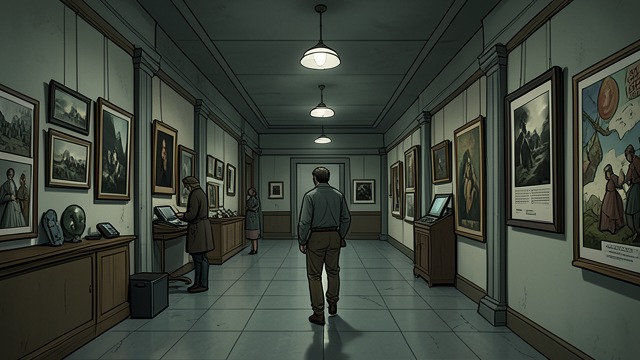
A View of the Whole
Many objects at once
Kemal wants the collection visible from multiple points in the house, so visitors can connect individual displays to the whole. The arrangement should create a continuous sense of presence.
Spatial memory
The museum turns remembered time into a place that can be walked through. A visitor encounters the story not only as a sequence but as a lived environment.
The Book as an Admission Ticket

The Book as an Admission Ticket
The novel guides the visit
Kemal asks for a ticket inside each copy of the book, allowing its reader free first admission to the museum. He wants reading and visiting to become linked acts.
Two forms of one story
The novel supplies sequence and reflection, while the museum gives objects and spaces physical presence. Each medium invites the audience to complete the other.
A Place for Lovers
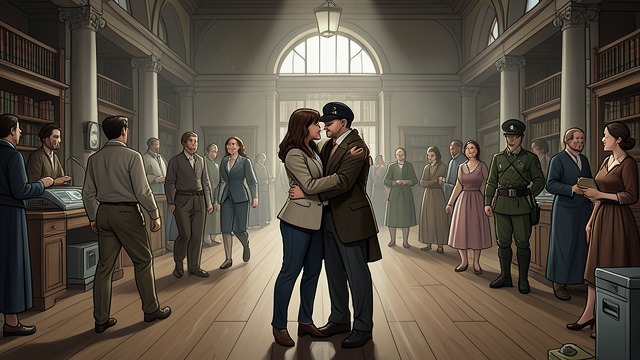
A Place for Lovers
A generous museum
Kemal asks that the museum remain open to lovers who have nowhere private to go. He does not want guards to interrupt people simply for holding one another.
Private memory becomes public care
The policy transforms the museum from a monument to Kemal into a place that recognizes the needs of others. It extends his understanding of love beyond possession and remembrance.
During museum planning
Near the museum’s completion
During the architectural design
Late in the collaboration
Near the end of the novel
