
The Ethics of Kemal’s Collection
The Museum of InnocenceThis flow traces the moral ambiguity of Kemal’s collecting, from secret taking to restitution, display, and public interpretation.
increasing Bearing strength in each event
 decreasing
Bearing strength in each eventdecreasingTaking Without Asking

Taking Without Asking
Keepsakes removed secretly
Kemal takes objects from the Merhamet Apartments and later from the Keskin home without asking. He experiences the objects as pieces of Füsun’s world that he can preserve.
Love does not excuse possession
The practice is tender in his imagination but intrusive in fact. His collection exposes the tension between remembering another person and claiming what belongs to them.
Replacement and Payment

Replacement and Payment
Gifts hide the taking
Kemal begins replacing removed objects with expensive items or leaving money. The family appears to accept the exchanges without openly challenging him.
A moral compromise
His attempts at restitution do not erase the secrecy or the power imbalance. They show that Kemal knows his actions are questionable even as he continues them.
Collectors and Their Wounds
Collectors and Their Wounds
A shared compulsion
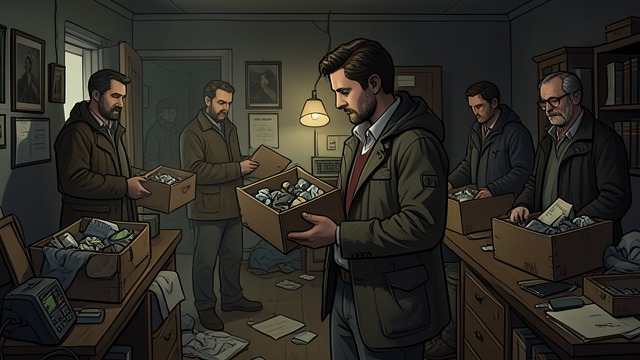
Kemal meets other collectors whose rooms are filled with objects. Their habits are regarded as shameful by outsiders and sometimes by the collectors themselves.
A question of motive
People ask why Kemal wants the things he gathers, expecting a hidden wound. He recognizes that the collection arises from grief, but resists reducing its meaning to pathology alone.
The Public Museum
The Public Museum
A private archive opens
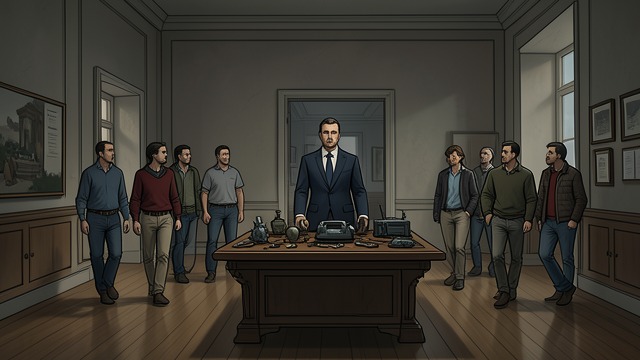
Kemal arranges his collection in the former Keskin building and invites the public to encounter it. The objects become accessible rather than hidden in a private room.
Judgment remains possible
Public display does not make the collection morally uncomplicated. Visitors can see both his devotion and his desire to possess traces of Füsun.
Pride and Accountability
Pride and Accountability
Shame is transformed
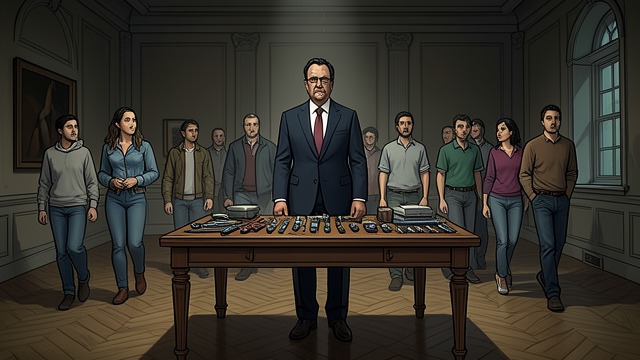
Kemal hopes that displaying the objects will turn what once embarrassed him into something visitors can respect. He asks that guards explain the collection with dignity.
A public story stays partial
The museum offers meaning, not a final verdict on Kemal’s behavior. Its ethical force depends on viewers recognizing both the care and the control within his acts.
1975–1976
1979–1984
1990s
2000s
Final chapters
