
The City as a Record of Love
The Museum of InnocenceThis flow traces Istanbul’s changing streets and neighborhoods as both the setting of Kemal and Füsun’s relationship and a record of social change.
increasing Bearing strength in each event
 decreasing
Bearing strength in each eventdecreasingNişantaşı and the Boutique
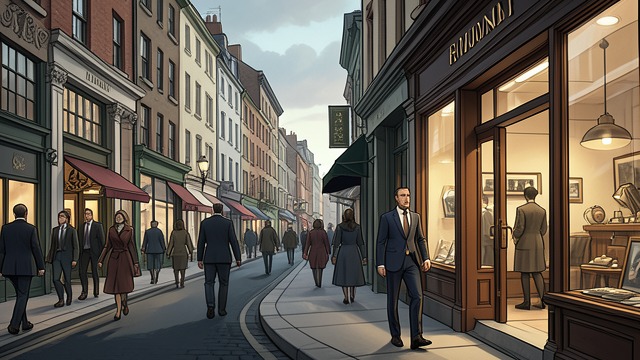
Nişantaşı and the Boutique
A wealthy district
Kemal’s life begins among the shops, offices, and restaurants of Nişantaşı. The Şanzelize Boutique brings him into contact with Füsun across a clear class divide.
A city made personal
Street corners and shop windows become attached to the first moments of his desire. The city is not a backdrop but a map of emotional encounters.
Streets of Absence
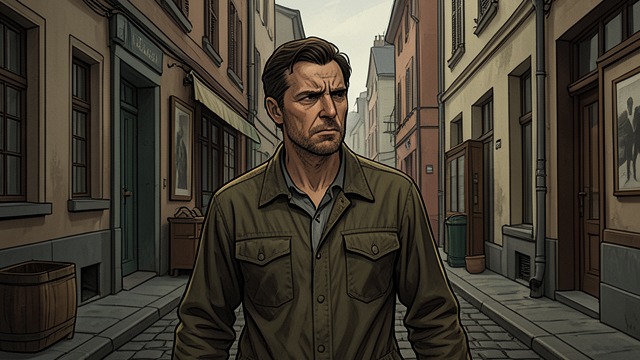
Streets of Absence
A city to avoid
After Füsun disappears, Kemal marks districts and streets as dangerous to his recovery. He nevertheless sees her image in crowds and follows apparitions through the city.
Geography becomes psychology
Istanbul’s ordinary routes acquire the structure of his longing. Each neighborhood can comfort him with memory or plunge him back into pain.
Çukurcuma as a Refuge
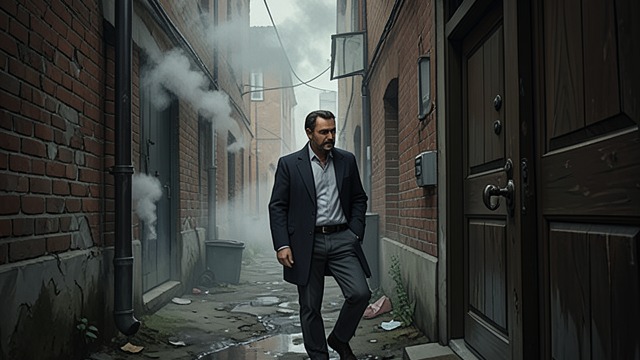
Çukurcuma as a Refuge
A mixed neighborhood
Kemal travels from Nişantaşı to the crowded, poorer streets of Çukurcuma. The neighborhood’s shops, coffeehouses, and homes feel more immediate than the affluent world he has left.
A shared route
Repeated journeys to Füsun’s house teach him the city through people and small scenes. The route becomes part of the lovers’ history and the future museum.
A City Seen from the Car
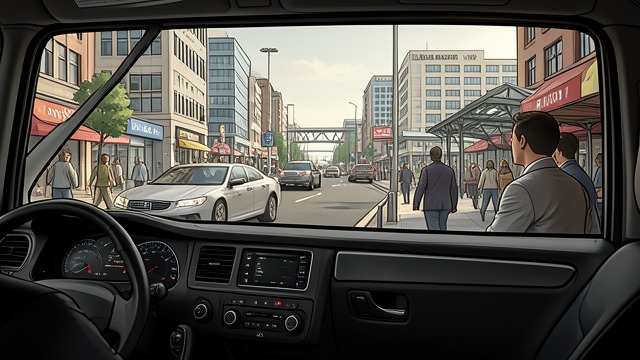
A City Seen from the Car
Driving through districts
During lessons and errands, Kemal and Füsun travel through hospitals, offices, markets, and ferry terminals. Their shared view of the street reveals parts of Istanbul they had not previously explored together.
Ordinary life in motion
They observe vendors, traffic disputes, families, and public offices. These details draw them closer and make their private troubles seem less solitary.
A Changed Istanbul
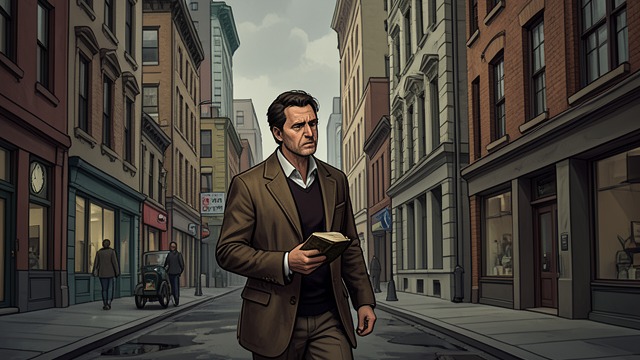
A Changed Istanbul
New districts appear
After Füsun’s death, Kemal notices that concrete neighborhoods and commercial spaces have transformed the city. Places that once seemed familiar now belong to a different time.
Memory resists erasure
His walks and museum visits preserve the old city as he remembers it. The collection links the personal loss of Füsun to the broader disappearance of a shared urban world.
Spring 1975
Summer and autumn 1975
1976–1984
Summer 1983
After 1984
