Edirne–Istanbul Road
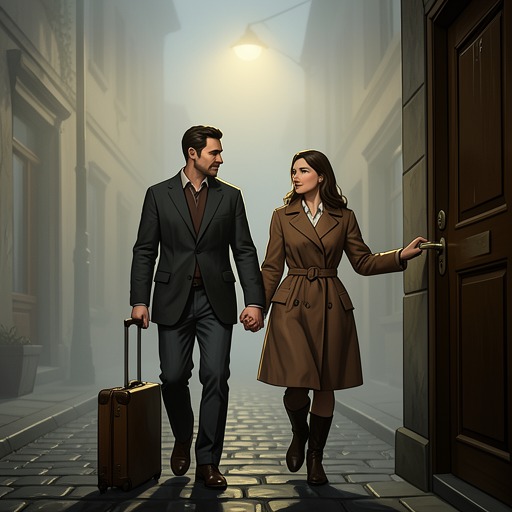
The Museum of InnocenceThe Edirne–Istanbul Road is the route by which Kemal Basmacı and Füsun begin a journey into Europe after years of separation, and the place where their renewed happiness ends in a car crash. It first opens outward, promising time together beyond Istanbul; after their engagement, it becomes the landscape of an argument, a pursuit, and an apparently unavoidable collision. The road’s meaning is therefore bound to a reversal: it carries the couple toward a future they have long imagined, then becomes the last stretch of their life together.
Beyond the city and its memories
Before the European journey, Kemal’s experience of Istanbul had become a private geography of longing. He tried to bar himself from places associated with Füsun, including the Merhamet Apartments, the Şanzelize Boutique, and the streets where she and her family had lived. In his mental map, some areas were forbidden outright, others could be crossed only under strict conditions, and familiar routes held the risk of painful recollection. His searches for Füsun also led him through the old city’s poorer neighborhoods, where even an apparition of her could make a street feel enchanted. Against that intensely mapped urban world, the Edirne–Istanbul Road marks a different kind of movement: not another route through a city saturated with reminders, but a passage away from Istanbul and toward a shared excursion.
That outward movement follows a period in which Kemal and Füsun rebuilt their connection through regular meetings in Beyoğlu. They chose films from the theater posters in Galatasaray, then sat together in the cool, dim cinemas, finding secluded seats where they could hold hands. The road trip enlarges this private routine. Instead of meeting for a film and parting afterward, they travel with Füsun’s mother, Nesibe the seamstress, and their driver, Çetin Efendi. The road gives their relationship a public, familial setting as well as a destination abroad.
A journey measured by its pauses
The trip does not proceed like a hurried escape. At the Çatalca exit, while Çetin Efendi fills the tank, Füsun gets out with Nesibe the seamstress. They buy local fol cheese from an older roadside vendor, take tea and simits at a nearby teahouse, and eat together. Watching Füsun across the makeshift meal, Kemal recognizes a feeling unlike the corrosive pain of their earlier separation: the sweet impatience of a love returned. The small roadside stop makes the journey’s emotional change tangible. Their time together is no longer stolen from another life; it can stretch, even if that means the European tour might take months rather than weeks.
As evening advances, the road becomes more difficult. At 7:40, the sun shines into the travelers’ eyes before sinking beyond the sunflower fields. After Çetin Efendi switches on the headlights, Nesibe the seamstress worries about continuing through the darkness. Trucks approaching in the opposite lane fail to dim their lights. Near Babaeski, Kemal notices the blinking purple neon of the Grand Semiramis Hotel and asks the driver to slow down. They turn in front of a Türk Petrol station, where a dog’s barking seems to warn them away, and stop at the hotel.
The modest three-story hotel gives the travelers separate rooms: one for Füsun and her mother, one for Çetin Efendi, and one for Kemal. The practical arrangement sharpens Kemal’s anticipation. After nine years of longing, he is close to the future he has imagined, yet he must spend the night in a room beside Füsun’s. The hotel’s interior gathers unlikely reminders of distance and return: a portrait of Atatürk, views of the Swiss Alps and the Bosphorus Bridge, and an image of Inge with a Meltem soda bottle. A notice requires couples to present a marriage certificate. In this roadside setting, the couple’s new engagement sits alongside a rule that makes their marital status newly visible.
From engagement to the roadside pursuit
The hotel restaurant is where Kemal and Füsun perform their engagement ceremony. Before dawn, Kemal wakes to find that Füsun has not returned to their room. He sees her outside, on a bench in the small garden, waiting for sunrise and smoking. The road and hotel thus hold both a formal beginning and an uneasy interval: the couple has taken a step toward marriage, but their closeness does not remove the tensions between them.
After an argument, Füsun walks along the road in her red dress. When she disappears from sight, Kemal grows uneasy; when he sees her again in the distance, he imagines the two of them spending their lives together, with both lovemaking and quarrels, and hopes to make her happier. He then gets into his father’s 1956 Chevrolet and drives after her. The act turns the road into a space of pursuit. A woman walking beside traffic is vulnerable to harassment, and Kemal’s decision to follow her is presented as an attempt to reach her, although it also places him back in the car that will soon carry them toward disaster.
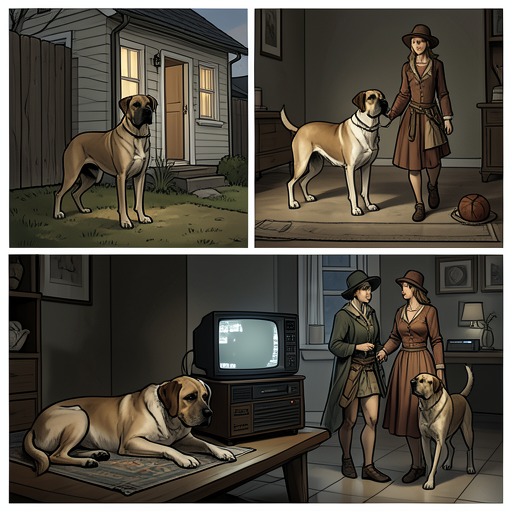
About a kilometer and a half farther on, Kemal spots a dog beneath a plane tree, waiting for Füsun. The surrounding countryside is marked by everyday signs: sunflower gardens, small houses, and a large ALTAT TOMATOES billboard whose lettering has been pocked by bullets. The road is not an empty or abstract stage; it passes through a lived-in landscape bearing traces of ordinary life and violence. Ahead, the dog moves into the road to meet the car. Füsun sounds the horn, and the Chevrolet swerves first right, then left.
The crash and the road’s final meaning
The car then travels in a straight line but veers away from the road toward a plane tree. Kemal understands that a collision is inevitable. In his telling, the moment feels like the end of the happiness allotted to them, as if their time together is ending at the same instant as their journey. He shouts a warning, but recognizes that the cry cannot alter what is happening. He thinks Füsun may be slightly drunk; at 105 kilometers an hour, approaching a tree he describes as 105 years old, she seems to him to know what she is doing. This is Kemal’s interpretation of a catastrophe in progress, not an independently established explanation of Füsun’s intentions.
The twenty-five-year-old Chevrolet, belonging to Kemal’s father, crashes into the plane tree on the left side of the road. Beyond the tree stands a small factory producing Batanay sunflower oil, the brand the Keskin family uses for cooking and one they had noticed while traveling. The detail draws the familiar household into the scene of the crash: a domestic product glimpsed during the journey remains visible at the edge of the moment that destroys their plans. Months later, Kemal finds the wreck and recalls that, just after the impact, he and Füsun looked into each other’s eyes. The road’s narrative arc is complete: a route chosen for travel and togetherness becomes the boundary between the life they hoped to begin and the loss Kemal must remember.