Masumiyet Müzesi
The Museum of InnocenceMasumiyet Müzesi is both a converted family home and the material form of Kemal Basmacı’s effort to preserve his life with Füsun. Built around objects gathered from the Keskin household and elsewhere, it makes intimate memories available to visitors while asking them to see ordinary possessions, and the lives attached to them, with dignity. Its collection, architecture, catalog, and visitor policies are not separate from its subject: together they turn Kemal’s private story into a public exhibit and a reflection on how museums give time and memory a shape.
From private collection to museum
After years of collecting things connected to Füsun, Kemal traveled to Paris and found consolation in small, sparsely visited museums. Away from Istanbul, he could look at his own obsession, and at Füsun, from a greater distance. On his return, he asked Aunt Nesibe to sell him the entire building in Çukurcuma, along with its contents, so that he could commemorate Füsun there. She worried about what would become of her, and he offered to let her remain in the house if she wished. He also found her an apartment on Kuyulu Bostan Street, in Nişantaşı, near where she had once lived.
A month later, Aunt Nesibe deeded the building to him, including the ground-floor flat and its movables. On his lawyer’s advice, they inventoried the contents and had the document notarized. The transfer gave Kemal both a site and a substantial body of material for the institution he intended to create. Yet Aunt Nesibe did not simply detach herself from the old home: even after preparing her new apartment, she said that she could not leave the house and its memories. Her attachment echoes the museum’s governing premise that a place and its things can hold more than their practical use.
The collection and its changing scale
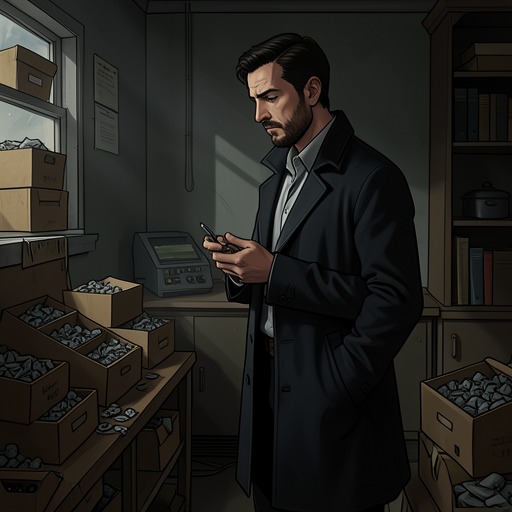
The collection grew beyond the objects Kemal had taken from the Keskin home. Before moving the things stored at the Merhamet Apartments, he photographed them filling most of the room where he and Füsun had once made love. He then brought them together with possessions from the Çukurcuma house, objects acquired during his travels, things recovered from rubbish heaps, contributions from members of the collectors’ association, and items offered by witnesses to his story. Its inventory ranges from saltshakers, china dogs, thimbles, pencils, barrettes, and ashtrays to the Keskin household’s fixtures and furniture.
Kemal’s attention to commonplace objects also gives the collection a wider social geography. He had seen lighters like one he bought for Füsun in flea markets in Athens, Rome, Paris, and Beirut. A saltshaker from a small Istanbul factory appeared not only on the Keskin table but in restaurants and shops across several countries. Such repetitions suggest how mass-produced things pass through countless households, becoming intimate through use even as people forget their attachments to them. In the museum, these ordinary objects connect one household’s memories to a much broader material life.
The collection’s most private center remains the bedframe, musty mattress, and blue sheet associated with Kemal and Füsun’s first night together. He brought all three to the museum and stored them in the attic. He later slept among the things that recalled Füsun, turning the converted house toward two uses at once: it displayed a family’s past to visitors, yet also offered Kemal a place to inhabit. The attic, once a dark, mildewed space for a water tank and pests, had become a clean, bright room open to the stars through a skylight. From there, an opening between the upper and lower levels let him feel surrounded by the whole collection.
Memory, time, and the catalog
For Kemal, objects preserve the colors, textures, and images of moments that can no longer return. The museum gives those mementos a spatial arrangement: instead of following time as a line toward its end, visitors encounter objects that hold different moments together. Kemal describes the line connecting collected objects as a story, just as the line connecting moments is time. The institution’s consoling power lies not simply in keeping old possessions, but in making a lost past perceptible in the present.
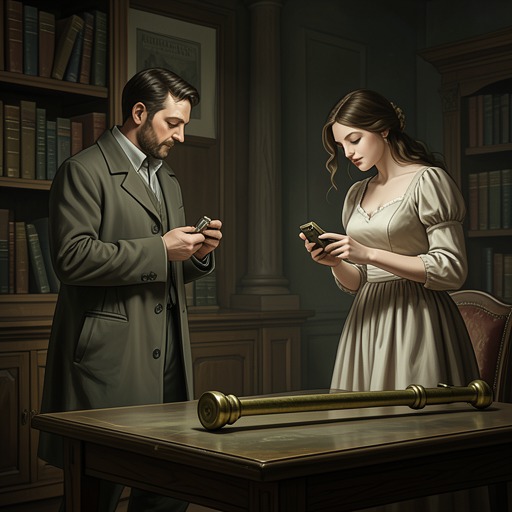
This idea takes institutional form in the decision to create an annotated catalog. One moonlit night, looking down from his attic at the collection, Kemal realized that every object needed its own account. The catalog would also tell the story of his love for Füsun and his reverence for her. Because he did not want to write such a book himself, he asked Orhan Pamuk to narrate the story in his name and with his approval. The novel and the museum consequently become linked means of telling: one presents a sequence in words, while the other gathers the material traces that give those words their setting and weight.
Display, interpretation, and visitors
Kemal’s design principles make interpretation part of the museum’s work. He wanted visitors to be able to see the entire collection and all the display cases from wherever they stood. In his account, that visual arrangement would help them lose their sense of time, bringing distant objects and moments into view together. The intention is not a neutral presentation of objects: the collection is arranged to direct attention toward the stories, relationships, and emotional meanings Kemal has invested in them.
He also wanted the museum to change the status of objects that might otherwise provoke embarrassment. Kemal argues that possessions associated with shame can become sources of pride when displayed in a museum. His ambition extends from his own story to a larger claim about whose everyday lives are considered worthy of public recognition. He therefore assigns the guards an interpretive role: they are to explain the collection’s history, Kemal’s love for Füsun, and the meanings attached to her possessions. Rather than acting chiefly as disciplinarians, they should welcome questions and give visitors a sense that they have entered a place deserving humility, respect, and reverence. Their proposed dark-wood-colored velvet suits, pale pink shirts, and ties embroidered with Füsun’s earrings would make the staff part of the exhibition’s visual language.
That reverence is not meant to police every visitor’s behavior. Kemal explicitly wanted the institution to remain open to lovers who had nowhere else to kiss, and instructed the guards to leave kissing couples and people chewing gum alone. He also proposed a practical link between book and building: a map at the end of the novel would guide readers through Istanbul’s streets, and each copy would contain a ticket for free admission on the reader’s first visit. The guard would stamp the ticket at the entrance. These plans make the visitor more than a spectator, connecting the act of reading with a walk through the city and a visit to the place where the story’s objects are displayed.
Narrative and public significance
Masumiyet Müzesi presents a private collection as a public account of life. Its exhibits preserve the Keskin family’s used possessions and the traces of Kemal’s attachment to Füsun, but the institution also displays the processes by which memories are selected, named, arranged, and explained. Kemal’s insistence that visitors be able to see the collection as a whole gives the display a deliberate interpretive frame; the catalog and the guards then supply the stories that make the objects legible.
The museum’s central tension is that preservation cannot restore the past. Kemal gathers objects because remembered happiness is distant and painful, yet placing them together turns that absence into a form that can be visited. By making a family home into an exhibition while trying to make the exhibition a home for himself, he blurs the line between private refuge and public institution. The result is not merely a repository of things associated with Füsun: it is the physical counterpart to the narrated story, and an argument that ordinary lives and their ordinary objects can merit both attention and pride.