
The Final Image of Happiness
The Myth of SisyphusThis flow traces happiness from sensual pleasure and suffering through Oedipus and Sisyphus to a final definition grounded in consciousness.
increasing Bearing strength in each event
 decreasing
Bearing strength in each eventdecreasingSensual Happiness

Sensual Happiness
Present Pleasure
Algiers teaches happiness through swimming, sunlight, bodies, food, and evening dance. Pleasure is not a distraction from reality but a way of encountering it.
Mortal Condition
Because these pleasures end, they cannot become a doctrine of salvation. Their transience gives them intensity.
Happiness and Absurdity

Happiness and Absurdity
Shared Earth
Happiness and absurdity arise from the same finite world. Neither requires a supernatural guarantee.
No Automatic Reward
Discovering absurdity does not necessarily produce happiness. It only removes certain illusions and leaves the person responsible for how to live.
Oedipus Knows
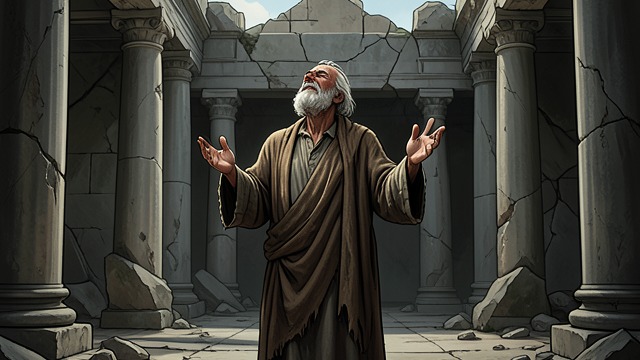
Oedipus Knows
Fate Revealed
Oedipus begins by obeying fate without understanding it. Knowledge turns the inherited tragedy into a conscious human condition.
All Is Well
His declaration that all is well does not deny suffering. It transforms fate into something settled among human beings rather than imposed by an alien god.
Sisyphus Descends
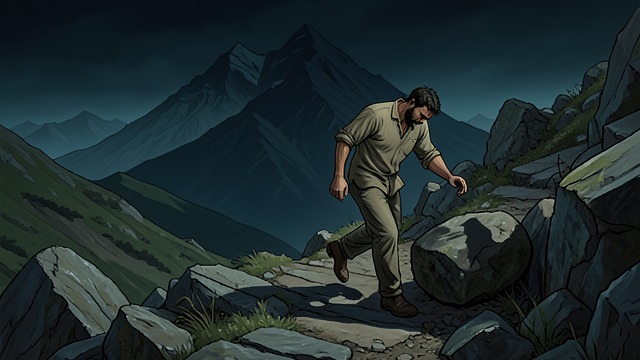
Sisyphus Descends
Interval of Consciousness
Sisyphus’s descent is the moment when he sees the complete meaninglessness of his labor. Awareness makes him superior to the fate that crushes him.
Silent Ownership
His sorrow can become joy because the punishment belongs to him. The rock is no longer merely imposed; it is incorporated into his own history.
Imagined Happiness

Imagined Happiness
Struggle as Fulfillment
The climb itself is enough to fill a heart when no summit can provide permanent completion. Happiness is found in sustained effort rather than successful arrival.
Human Victory
The final image does not promise that the world is just. It affirms that lucid ownership can transform futile labor into a human victory.
Summer in Algiers
late Absurd Man discussion
mythic comparison near the end
final section of The Myth of Sisyphus
final sentence of the book
