
Hope Versus Integrity
The Myth of SisyphusThis flow traces the escalating conflict between fidelity to absurd evidence and the consolations offered by transcendence.
increasing Bearing strength in each event
 decreasing
Bearing strength in each eventdecreasingDesert of Failure
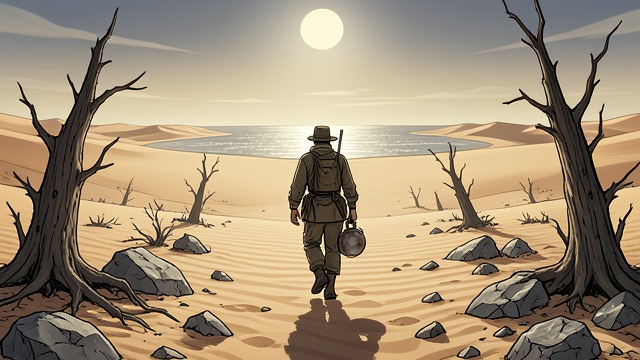
Desert of Failure
Broken Systems
Jaspers, Heidegger, Chestov, Kierkegaard, and Husserl begin from limits, anxiety, contradiction, or the failure of knowledge. Their shared climate is a world without easy explanation.
Common Pressure
Each thinker must choose whether to remain in that desert or escape it. The conflict shifts from discovery to consequence.
Leap to Transcendence
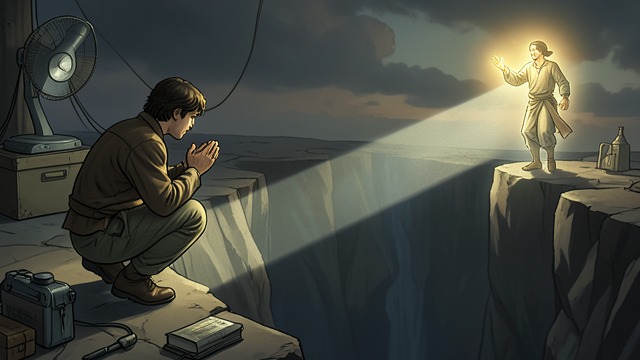
Leap to Transcendence
Irrational Salvation
Failure is interpreted as evidence of transcendence, and contradiction becomes a sign of God. The wound is converted into a doorway.
Emotional Necessity
The leap is understandable because human beings desire rescue from contradiction. Yet emotional force does not supply logical evidence.
The Sacrificed Intellect
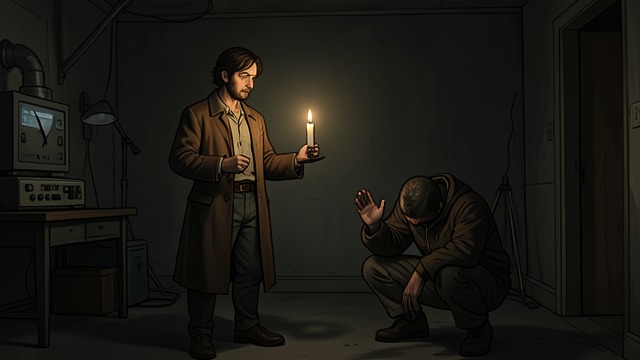
The Sacrificed Intellect
Religious Paradox
Kierkegaard treats scandal and contradiction as religious criteria. The very failure that produces despair becomes the ground of faith.
Refusal of Cure
The absurd position refuses to call darkness light. It accepts despair rather than purchase peace through surrender of reason.
Eternal Reason
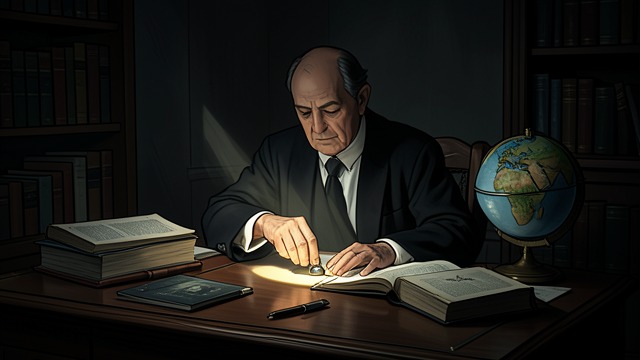
Eternal Reason
Phenomenological Modesty
Husserl begins by describing phenomena without imposing a single explanation. This seems compatible with the absurd demand for attention.
Metaphysical Expansion
When essences and eternal laws are restored, description becomes consolation. The world regains a hierarchy beyond lived experience.
Integrity on the Crest

Integrity on the Crest
Staying Awake
The demanded integrity is the ability to remain on the dizzying crest before the leap. It does not celebrate suffering, but refuses to falsify it.
Evidence Preserved
The conflict between longing and silence remains intact. This preservation becomes the condition for revolt rather than a failure to reach an answer.
opening of Philosophical Suicide
early philosophical critique
middle critique of Kierkegaard
later critique of Husserl
end of Philosophical Suicide
