
The Creator’s Discipline
The Myth of SisyphusThis flow follows absurd creation from description and imitation to disciplined work, diversity, and liberation from the finished work.
increasing Bearing strength in each event
 decreasing
Bearing strength in each eventdecreasingCreation as Repetition
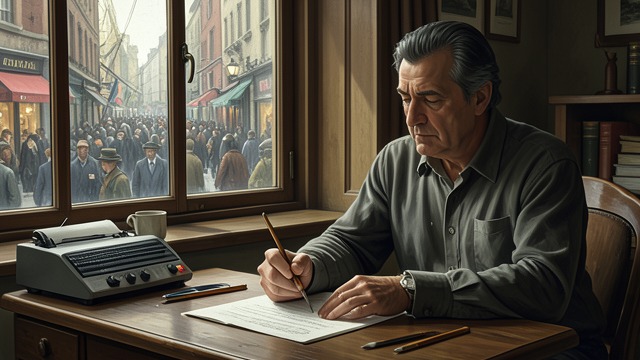
Creation as Repetition
Living Doubly
Creating is described as living twice: first through experience, then through the shaping of experience into form. The work fixes consciousness without solving its torment.
The Great Mime
The artist repeats the world’s themes—body, color, grief, number, and desire. Creation becomes a deliberate imitation of an already absurd reality.
Description Without Explanation
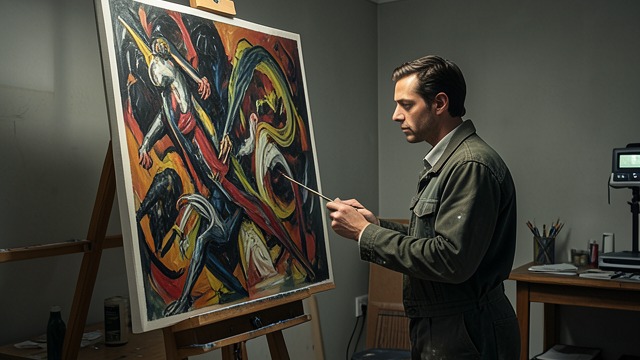
Description Without Explanation
Concrete Appearance
The creator describes what appears rather than claiming access to a hidden essence. Diversity replaces the hunger for one unifying principle.
Intellectual Restraint
The work remains lucid because thought regulates the images without announcing a final doctrine. Its intelligence is present through limitation.
The Human Scale
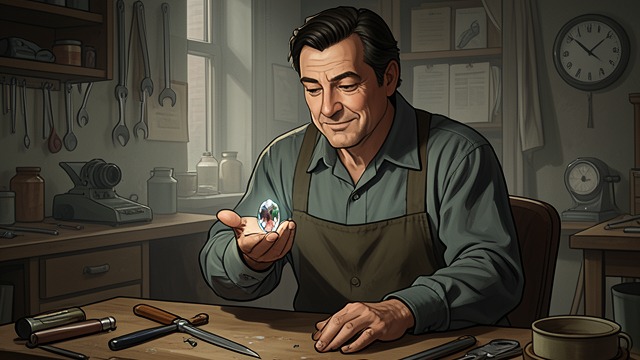
The Human Scale
Fragment Rather Than Totality
A strong work is a facet cut from experience rather than an attempt to explain an entire life. Its incompleteness protects it from pretension.
Embodied Knowledge
The artist’s achievement depends on living as well as reflecting. Savoir-vivre must exceed mere technical skill.
Discipline of Futility
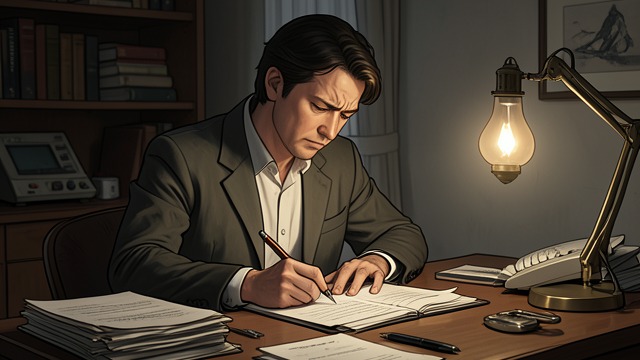
Discipline of Futility
Daily Ascesis
Creation demands patience, self-mastery, measure, and repeated labor. Its futility does not weaken the effort; it makes the effort a form of revolt.
Approaching Reality
The work matters partly because it forces the creator to confront personal phantoms and approach naked reality. The ordeal is itself a source of dignity.
Freedom from the Work
Freedom from the Work
No Possession
The creator must eventually grant that the work may fail, vanish, or mean nothing. Attachment to the product would convert an exercise in freedom into another form of hope.
Open Fate
When the creator releases the work, life and art return to their shared condition of contingency. Creation gives form to fate without mastering it.
opening of Absurd Creation
early philosophical discussion of fiction
middle of the creative argument
late Ephemeral Creation section
conclusion of the creation argument
