
The Reader’s Complicity
The Myth of SisyphusThis flow traces how the book turns its reader from a spectator of absurd examples into a participant forced to judge personal responses.
increasing Bearing strength in each event
 decreasing
Bearing strength in each eventdecreasingInitial Shock

Initial Shock
Personal Stakes
The discussion of suicide addresses the reader as someone who may have considered whether life is worth living. The philosophical question is made intimate through its possible consequences.
Refusal of Melodrama
The text avoids sentimental persuasion and asks for careful attention. Its severity creates a direct bond between argument and reader.
Recognition of Routine
Recognition of Routine
Familiar Gestures
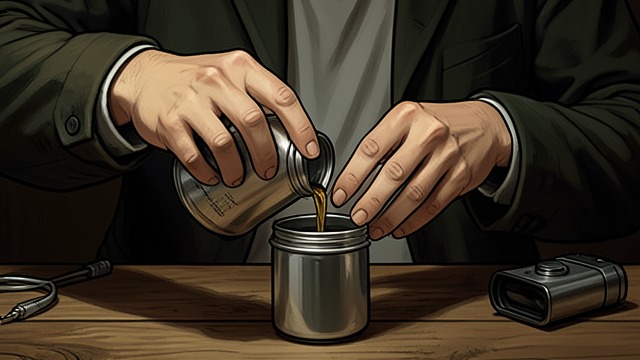
The reader recognizes work, meals, transport, and sleep as a shared pattern. The ordinary becomes strange because the text names its repetition.
Shared Weariness
The experience is not presented as an exceptional illness. It is a common opening through which consciousness can awaken.
Sympathy for Examples
Sympathy for Examples
Seducer and Actor
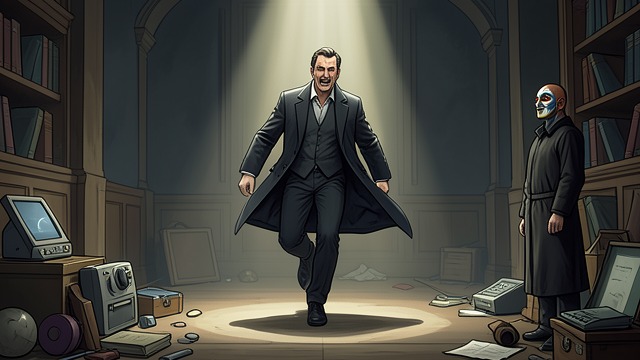
Don Juan and the actor attract the reader through energy, multiplicity, and refusal of posterity. Their lives make abstract principles emotionally visible.
Moral Unease
Their choices also resist imitation. The reader must distinguish understanding a life from endorsing it.
Doubt at the Leap

Doubt at the Leap
Tempting Consolation
Religious and existential solutions are shown as moving, intelligent, and psychologically powerful. Their appeal cannot be dismissed as simple stupidity.
Refusal of Consent
Yet the reader is asked to notice the instant when explanation becomes hope. Sympathy remains possible without surrendering intellectual integrity.
Shared Burden

Shared Burden
Reader’s Imagination
The reader is asked to imagine Sisyphus happy, not as a distant mythic figure but as a human consciousness returning to labor.
Personal Transfer
His rock becomes a model for every repeated burden. The final bond is not agreement with a doctrine but recognition of a shared condition.
opening question on suicide
early Absurd Walls
middle examples of the Absurd Man
Philosophical Suicide and Kafka appendix
final image of Sisyphus
