
Kafka’s Two Protagonists
The Myth of SisyphusThis flow compares Joseph K. and Land Surveyor K. as two character destinies shaped by inaccessible authority and different forms of hope.
increasing Bearing strength in each event
 decreasing
Bearing strength in each eventdecreasingJoseph K. Accused
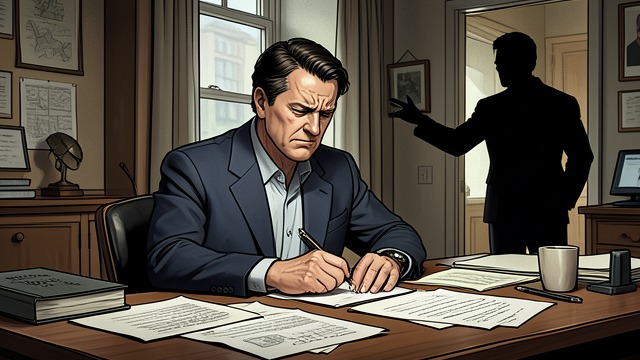
Joseph K. Accused
Sudden Condemnation
Joseph K. begins as an ordinary professional whose life is invaded by an unexplained accusation. The absence of a named crime makes guilt more pervasive.
Practical Resistance
He seeks legal help and information while continuing his daily routines. His refusal to understand the situation never becomes a successful challenge to it.
Joseph K. Isolated

Joseph K. Isolated
Failed Institutions
Lawyers, courts, and intermediaries multiply without clarifying the case. Every institution promises access while deepening dependence.
Self as Case
Joseph K. becomes less a person than a file moving through an invisible system. His identity is gradually reduced to accusation.
Joseph K. Executed
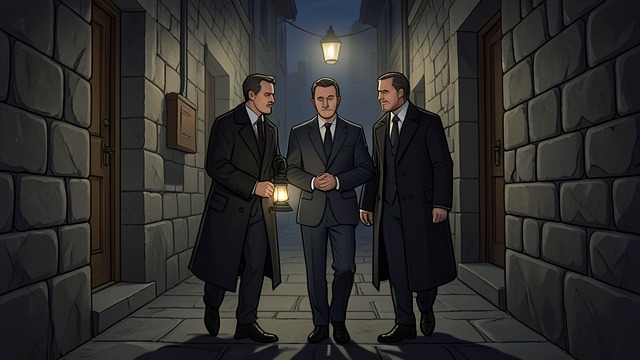
Joseph K. Executed
Courteous Murder
His execution is carried out with politeness and administrative calm. The tone denies him even the dramatic dignity of open persecution.
Final Shame
The final phrase registers a conviction that the system has successfully imposed. His death confirms the world’s ability to make incomprehensible violence appear normal.
Land Surveyor K. Arrives
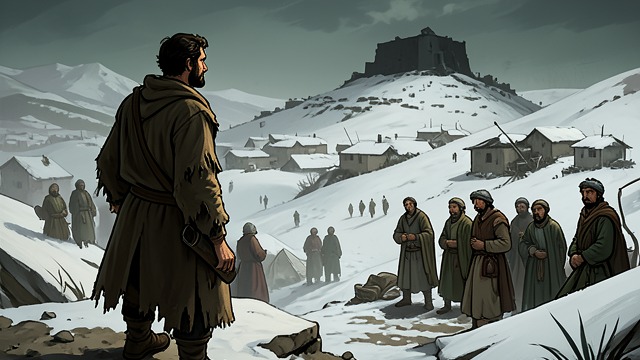
Land Surveyor K. Arrives
Claimed Appointment
Land Surveyor K. arrives expecting a professional role connected to The Castle. Instead, he encounters a village whose authorities dispute or obscure the appointment.
Foreign Status
His first problem is belonging. He is marked as an outsider before he can establish what authority has summoned him.
Land Surveyor K. Persists
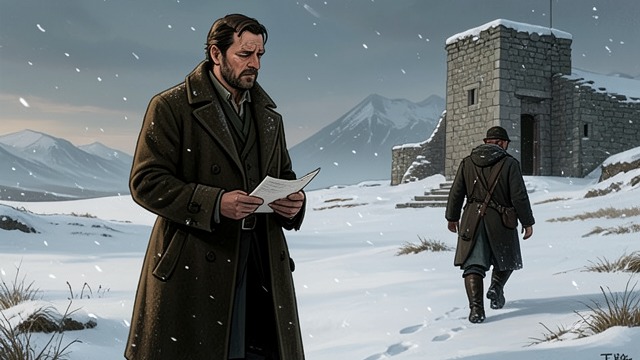
Land Surveyor K. Persists
Repeated Frustration
Land Surveyor K. uses calls, messengers, lovers, and bureaucratic channels to approach The Castle. Every attempt fails but also generates another beginning.
Desire for Normality
His ambition changes from understanding authority to being accepted by it. He wants a home and occupation more than liberation.
opening of The Trial
middle of The Trial
end of The Trial
opening of The Castle
middle and late The Castle
