
Jimmy Bigelow’s Long Afterlife
The Narrow Road to the Deep NorthThis thread follows Jimmy Bigelow’s music and wartime trauma from the camp’s funerals to the fragile rituals he carries into old age.
increasing Bearing strength in each event
 decreasing
Bearing strength in each eventdecreasingBugle at the Pyre
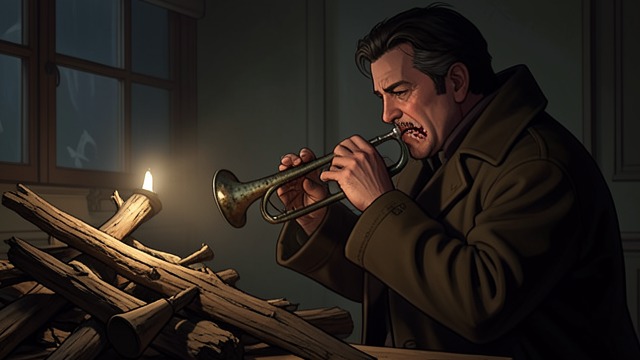
Music for the Dead
A Repeated Duty
Jimmy Bigelow plays the Last Post at funerals despite a painful, damaged mouth. The bugle has survived the rot and decay that consume almost everything else.
Questions in the Music
He does not understand the tune as a promise of rest. It carries questions about death and duty that he will continue to play long after the war.
A Rule for Survival
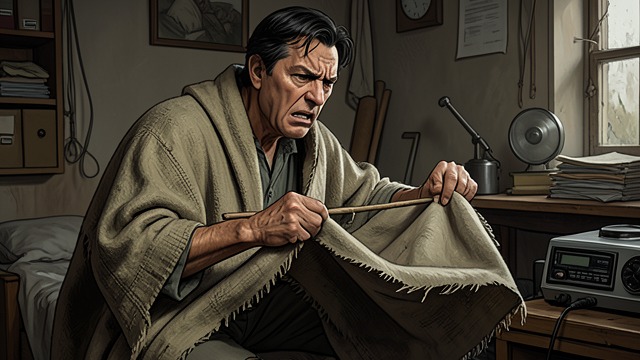
The Outward Fold
A Small Mistake
Darky Gardiner is beaten after his blanket is folded against the Japanese regulation. The punishment makes a trivial detail feel capable of determining life and death.
A Memory Carried Home
Jimmy Bigelow takes the outward fold as a rule that might protect his children from sudden harm. After the war, he repeats it without being able to explain the fear beneath it.
A Reunion and a Release
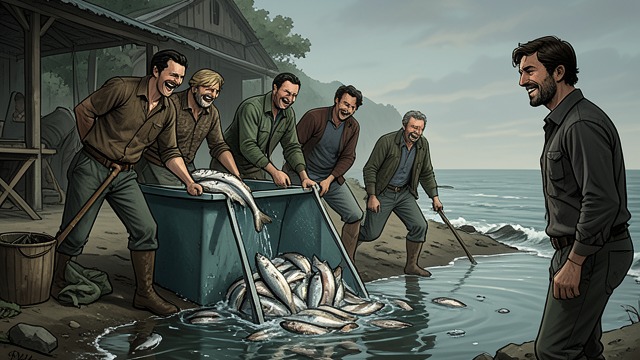
Releasing the Fish
A Memory Becomes Action
Former prisoners break into Nikitaris’s Fish Shop and carry the fish to Constitution Dock. They act out Darky Gardiner’s wish to free the fish from their tank.
Grief in Company
The gesture is comic, disruptive, and tender. For Jimmy, it offers a rare action that makes the men feel connected to Darky and to one another.
A Quiet Family Life
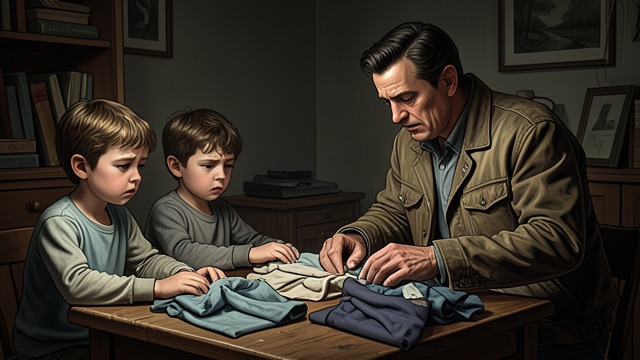
Fear Hidden in Routine
A Father’s Warning
Jimmy Bigelow insists that his children fold clothes with the creases outward. He trembles when they fail, then refuses to strike them.
Trauma Without Explanation
His children know only that he loves them and will not hurt them. Jimmy’s rule is an attempt to protect them from the arbitrary violence he cannot describe.
The Bugle Sold
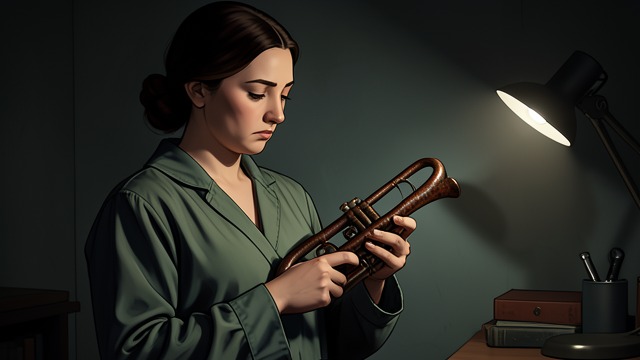
The Last Object
A Daughter’s Memory
Jodie finds Jimmy Bigelow’s battered bugle after his death and sells it. She remembers his account of the war as a tune rather than a story.
No Final Answer
The bugle passes to a stranger without explaining what it meant. Its disappearance repeats the book’s concern that even important memories cannot be kept intact forever.
During the cholera deaths in the jungle camp
During the camp’s daily inspections, after Darky is beaten
In 1948, during a drunken night in Hobart
In the decades after the war, as Jimmy raises his children
After Jimmy’s death, during his daughter’s garage sale
