
Nakamura’s Transformation into a War Criminal
The Narrow Road to the Deep NorthThis thread follows Choi Sang-min, known as the Goanna, from colonial subordination into brutal authority and finally to execution.
increasing Bearing strength in each event
 decreasing
Bearing strength in each eventdecreasingA Korean Childhood
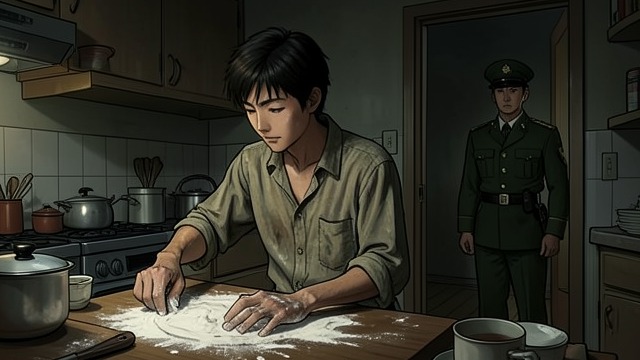
A Childhood of Subordination
Work and Beatings
Choi Sang-min leaves school early and works for Korean and Japanese families. He receives little pay and regular physical punishment.
A Future for Wages
At fifteen, he joins the Japanese system as a guard because fifty yen a month seems a way forward. The promised wage becomes central to how he later measures his lost life.
Training in Obedience
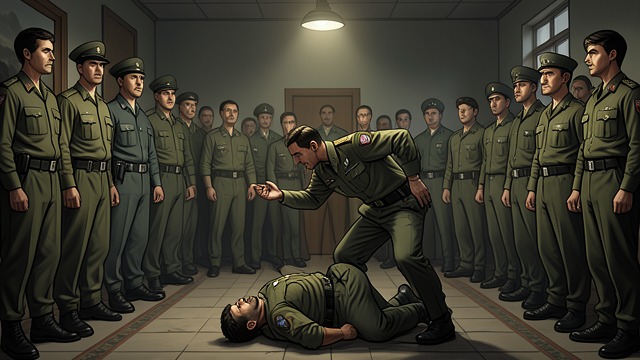
Learning to Strike
Binta and Discipline
Choi is trained to slap other recruits as part of a system of collective punishment and unquestioned obedience. When he tries to spare a fellow trainee, he is beaten severely.
Violence as Inheritance
The training teaches him that power belongs to those higher in the hierarchy. He carries the lesson into the prison camp, where he has authority over men who are larger than he is.
The Goanna in the Camp
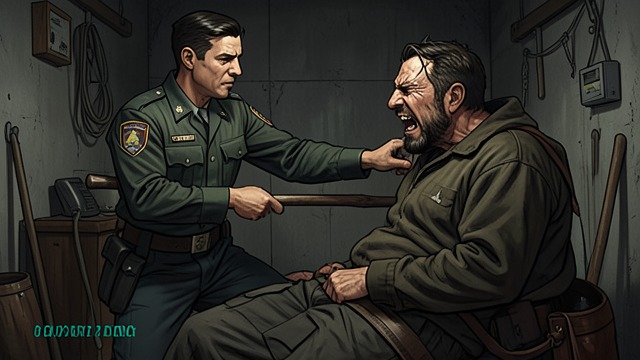
Power Over Prisoners
A New Authority
As a guard, Choi Sang-min uses beatings to force prisoners to work and to assert himself over men who are bigger and more confident.
Becoming the Monster
The Australian prisoners call him the Goanna. He takes a sense of importance from their fear, though the violence is also shaped by the Japanese system above him.
A Conviction and Sentence
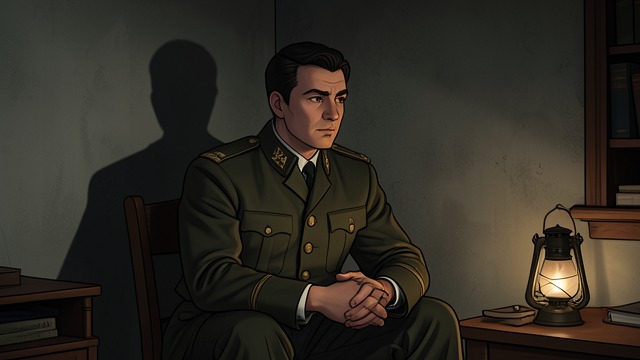
The Trial
Charges and Uncertainty
Choi Sang-min is convicted of ordering a prisoner’s death and mistreating others. Evidence against him is complicated and partly shaped by testimony from senior Japanese officers.
Unequal Accountability
He believes powerful men escape punishment while low-ranking guards are executed. His own responsibility and the system’s injustice remain entangled rather than cancelling each other out.
The Last Morning
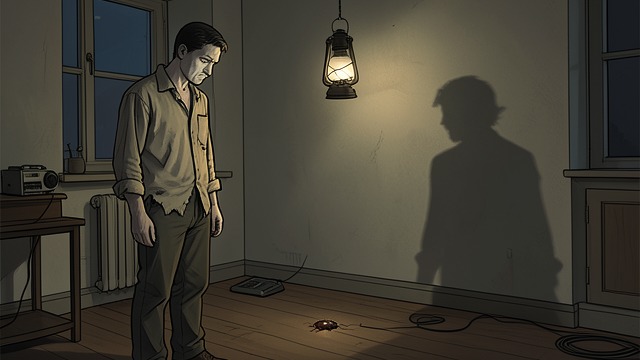
A Man Without a Nation
Searching for Meaning
Choi Sang-min cannot find a national ideal that makes his death meaningful. He remembers his sister’s disappearance and the wages he never received.
Final Resistance
He fights the guards and tries to kill a cockroach before being hanged. His death ends a life shaped by violence without resolving whether he was only a victim, an agent, or both.
Before Choi joins the Japanese military as a teenager
During military training in Pusan
During the construction of the railway
After the war, during proceedings at Changi
The morning of Choi’s execution
