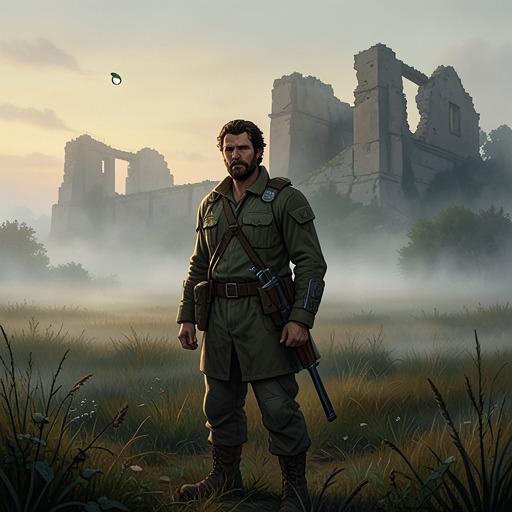
The world as it is
The Narrow Road to the Deep NorthThe world as it is is a momentary, unsentimental acceptance of existence when neither identity nor events seem to offer a dependable explanation. The thought appears in Dorrigo Evans’s intimate exchange with Amy and returns during his captivity, where memory unsettles him and immediate necessity draws him back into the present.
A World Without Explanation
In the exchange with Amy, Dorrigo cannot explain what their relationship means or what it might become. He feels that his identity exists in other people’s thoughts, feelings, and words, yet he has no clear idea of who he is. His sense of the world is equally stripped of assurance: some things are permitted and others punished, but he can find no reason, explanation, justice, or hope behind that order. What remains is the present moment, which he thinks is better accepted than solved.
Amy continues asking about his intentions and desires, while Dorrigo fears that naming their bond would destroy it. The idea of accepting the world as it is therefore arises not as a settled answer to their relationship, but amid his inability to define either himself or their future.
The Thought Returns in Captivity
The thought recurs when Dorrigo receives a letter from Ella after nearly a year without one. Still recovering from malaria, exhausted, and startled by the letter, he cannot continue reading at first. Its handwriting brings back memories of Adelaide and of his visits to his uncle’s hotel, but he cannot clearly summon Amy’s face. As this precise yet unstable recollection takes hold, he thinks, “The world is. It just is.”
The letter offers a connection to another life, one in which Dorrigo believes he still has a place and to which he may return. Yet memory does not restore that life intact: the past is vivid in its physical particulars, while Amy’s face remains inaccessible. The thought marks his inability to make those contradictions yield a reassuring explanation.
Acceptance and Immediate Necessity
The phrase appears again when Bonox Baker warns that they will be late and someone else may be sent out to work. Dorrigo, briefly bewildered about where he is, puts Ella’s letter beside his bed and goes out into the rain. The recurrence connects an inward meditation on the past with the practical demands of captivity: reflection gives way to the workday, without resolving what memory has stirred.
Across these moments, acceptance is neither proof that the world is just nor a promise that suffering will make sense. It is a narrowed response to uncertainty: Dorrigo cannot name the relationship, recover the face, or explain the order of events, and the immediate present continues regardless. The repeated thought holds that tension in view rather than turning it into consolation.