Demigods
The Night CleanerDemigods are the gods’ children, marked by divine blood and made mortal amid the same divine politics that empower heroes. Their fate is told chiefly through Dorian, who survives the slaughter of his demigod family and carries its consequences into his later conflict with Draco. The distinction between inherited divine blood and powers bestowed by the gods is more than a difference of origin: it becomes the fault line between the abandoned children and the chosen protectors who take their place.
Identity and Divine Lineage
Demigods have blood of the gods running through their veins. They are therefore distinct from people whose powers are gifts bestowed by the gods: those recipients are chosen, but do not share the demigods’ divine parentage. The distinction matters in a world where the gods’ favor can be conferred on one group while their own children are left exposed to violence. Dorian, son of Apollo, is one of those children. His father is associated with the sun, music, medicine, and prophecy, and Dorian describes himself as a skilled healer who once used his abilities to help humanity.
The surviving recollections also resist treating demigods as a single moral type. Dorian remembers himself as good and recalls Jasmine as a good child of the gods, without corruption in her character. She and Dorian had used their powers to help people and imagined working in temples of healing. Their intended service makes the gods’ abandonment especially stark: those killed were not, in Dorian’s account, simply dangerous figures removed from the world, but children who had sought to use their abilities in its service.
The Gods’ Reversal and the Massacre
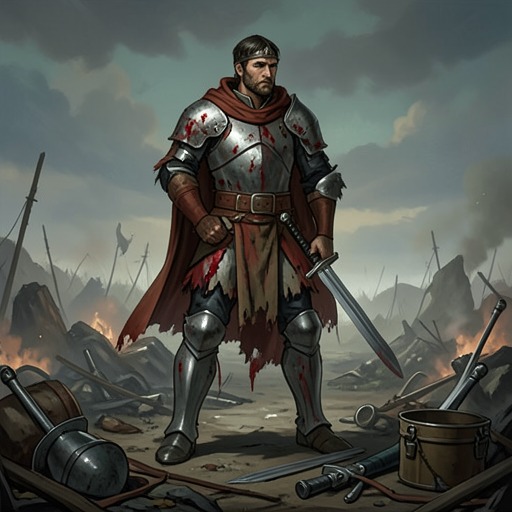
The gods’ attention to humanity takes a bitter form in Dorian’s account. They arrange for humans to be protected after the gods perish, selecting people and giving them powers for that purpose. Yet their own children are left to die, killed by one another and by their parents. Dorian’s memory of the aftermath is a field of dead brothers and sisters, the demigod family to which he belonged. He checks them for signs of life and finds none. The repeated image of kin destroyed by kin makes the catastrophe both a massacre and a collapse of the family bond that should have joined the gods to their children.
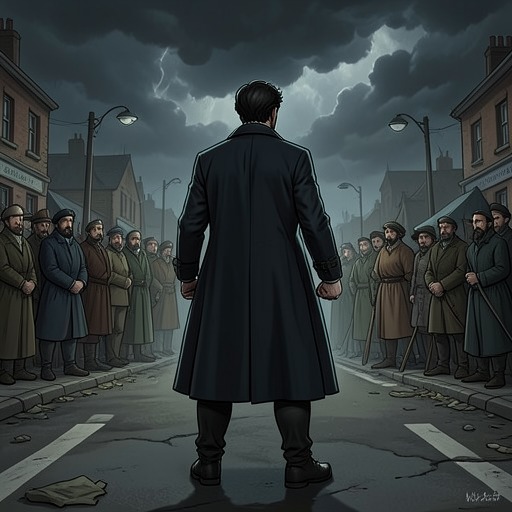
The selection of Draco as leader of the heroes sharpens this reversal. Dorian watches the gods choose Draco, grant him power, and mark his back with their symbols using their blood. Draco becomes the chosen protector while the gods’ own children are treated as expendable. For Dorian, the contrast is not abstract: he sees a divine authority affirming an outsider as leader while abandoning its own offspring. That choice becomes inseparable from his anger toward Draco, even though the grievance originates in the gods’ actions.
Dorian’s Survival and the Afterlife of the Slaughter
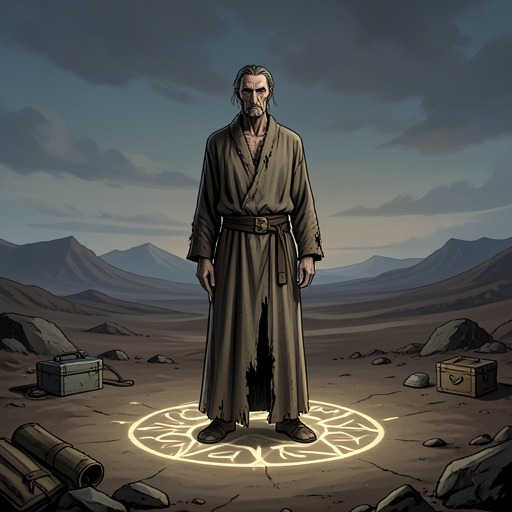
Dorian survives because he takes a toxin that makes him appear dead. He awakens days later and discovers that every other demigod has been slain. His survival is thus neither a rescue by the gods nor evidence that demigods cannot be killed; it depends on a deliberate deception that allows him to be overlooked among the dead. He becomes, in his own account, the sole surviving demigod, carrying the loss of his brothers and sisters without a community of his own kind around him.
That survival does not end the massacre’s consequences. Dorian says that his anger and jealousy toward Draco fester until he seeks to destroy him. He learns that Draco is immortal and concludes that even demigods will eventually die. Dorian’s response is to plan for immortality himself, to prevent Draco from succeeding in his mission, and to leave humanity to its own chaos. He finds a way to prolong his life through the blood of the gifted. The account links this later transformation to the earlier distinction between demigods and chosen humans: the blood of the chosen becomes the means by which the last surviving child of the gods extends his life.
Mortality and Narrative Significance
Dorian’s extended life does not make demigods inherently immortal. At the final confrontation, Draco recognizes Dorian as a demigod after seeing his blood, and later explains that demigods are not immortal and that Dorian has been living on borrowed time. Dorian dies from his wounds. His death confirms the limit that his blood-derived longevity had postponed: immortality was an acquired reprieve, not a defining condition of his divine lineage.
The demigods’ story consequently turns on two linked contrasts: divine blood against bestowed power, and apparent survival against actual immortality. Dorian’s survival preserves a witness to the gods’ betrayal, while his later death shows that neither divine descent nor prolonged life can undo the consequences of that betrayal. The gods’ choice of Draco creates a new order of heroes, but the abandoned children remain its unquiet origin. Through Dorian, the massacre is not only the destruction of a people; it is the wound that shapes the last survivor’s understanding of justice, loyalty, and what it means to outlive one’s family.