Dorian and Draco’s Rivalry and Shared Divine Blood
The Night CleanerDorian and Draco’s Rivalry and Shared Divine Blood is a relationship in which kinship and enmity grow from the same divine inheritance. Once aligned with the gods’ purposes, Dorian becomes Draco’s enemy after watching the gods empower Draco and appoint him their champion. Their later confrontation reveals Dorian as a demigod and brings their shared blood into focus, but recognition of family does not end the rivalry: Draco urges Dorian to stop, while Dorian continues to pursue revenge.
Origins of the Rivalry
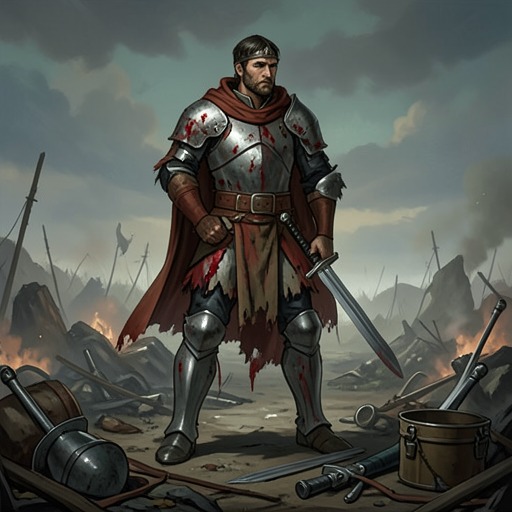
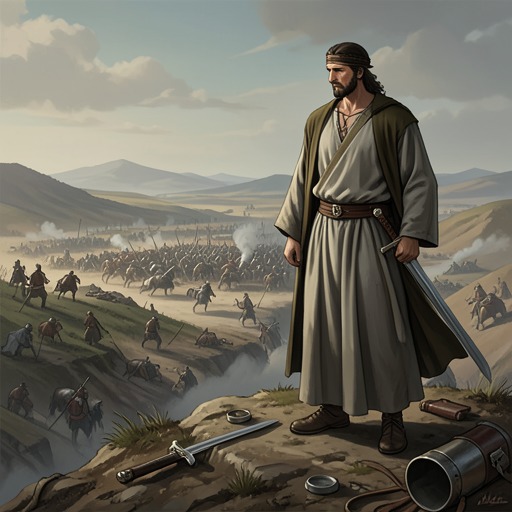
Dorian had once used his healing abilities to help humanity and serve Apollo, his divine father, while hoping to earn Apollo’s approval. That allegiance ended when the gods turned against the demigods, whom they deemed expendable. Dorian survived the slaughter by taking a toxin that made him appear dead; when he awoke days later, the other demigods were gone. The loss left him not simply bereaved but rejected by the gods whose work he had tried to carry out.
Dorian witnessed the gods choose Draco as their leader of heroes and give him their power, marking his back with the gods’ symbols. To Dorian, this was a betrayal sharpened by comparison: Draco was chosen over the gods’ own children. Dorian’s anger and jealousy hardened into hatred, and he sought to destroy Draco. When he learned that Draco was immortal, he made opposition part of a larger design: to become immortal himself, prevent Draco from succeeding in his mission, and leave humanity to its own chaos. Dorian later achieved immortality through the blood of gifted people; stopping Draco remained one of the obstacles his plan had not overcome.
Kinship Beneath Enmity
Their relationship is more than a contest between opposing champions. Dorian eventually tells Draco that he had been given a small amount of the gods’ blood to seal a bargain, a secret he had kept from the others. Because Dorian and Draco share blood, Dorian says, they are family to some degree. The connection is deliberately qualified: it establishes kinship without suggesting closeness or reconciliation. Their shared divine inheritance binds them even as their choices set them against one another.
That tension has a human counterpoint in the story’s treatment of sibling bonds. Esme describes the connection between twins as one in which each feels what the other feels, and her closeness to Eli gives her a measure for the bond she sees between Rose and Phillip. Their relationship makes the cost of Dorian’s conflict harder to treat as an abstract struggle between powerful men. After Esme’s death, Rose confronts Phillip for concealing Dorian’s role, insisting that the secrecy helped allow events to reach that outcome. The grief surrounding Esme’s sacrifice becomes part of the relationship’s wider consequences, even though it does not soften Dorian’s hostility toward Draco.
Confrontation and Competing Duties
When Draco confronts Dorian, he demands that Dorian end his plans and stop causing further harm. Draco presents himself as still committed to making the world better, and vows not to fail humanity again. Dorian answers that each of them has a different vision of what a better world would be. The exchange makes the conflict more than personal: both men invoke humanity, but Dorian’s stated plan would leave people to chaos, while Draco frames his own mission as a responsibility he must fulfill.
Their opposed claims are also expressed through control. Draco refuses to let Dorian see his anger, maintaining composure as he warns him. Dorian, by contrast, views Draco’s record as failure and admits that he has helped frustrate Draco’s mission. His confidence in that advantage does not amount to victory or reconciliation; it shows how thoroughly the rivalry has become part of Dorian’s design.
Recognition Without Reconciliation
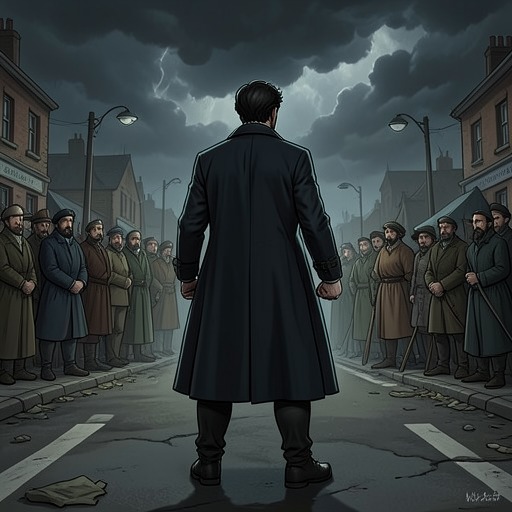
The truth of Dorian’s identity surfaces during a confrontation when he spits blood and Draco recognizes him as a demigod. Draco’s disbelief underscores how unexpected the revelation is. Dorian then declares that he is present and intends to take revenge, attacking Draco with a force that makes their abilities appear evenly matched. Around them, Dorian’s followers fight those whose powers have been stolen, and the conflict takes on the shape of brother against brother. The discovery of Dorian’s nature clarifies the divine history behind the feud, but it does not resolve it.
Later, Draco appeals to Dorian directly as family. He recounts his own survival after the demigod slaughter and explains that he had served in battle as a healer; he also stresses that he was not part of the demigods’ destruction. Draco tries to distinguish himself from the wrongs Dorian associates with the gods and their followers. Dorian gives no sign that this account changes his course. When Draco urges him to face the truth rather than let pain and hatred consume him, Dorian responds with rage and disappears in light. Draco’s final rebuke—that Dorian did not deserve Esme’s love—connects the personal cost of Dorian’s choices to the larger feud. Esme’s sacrifice has not reconciled the two men; as Draco observes, it has instead fueled Dorian’s resolve.
Narrative Significance
The relationship holds together two kinds of inheritance: the blood that makes Dorian and Draco family, and the divine power that places them on opposing sides. Dorian experiences the gods’ choice of Draco as rejection, then turns that injury into a project of revenge; Draco answers with appeals to duty, restraint, and the possibility of choosing another path. Their shared origin therefore complicates the simple division between kin and enemy without erasing the consequences of Dorian’s actions. Even when the family connection is named aloud, the story withholds a reunion: recognition arrives, but hatred continues to dictate what Dorian does.